Proximity sensors are indispensable components in modern industrial automation, offering non-contact detection of metallic and non-metallic objects. Understanding the pricing structure of these sensors is crucial for engineers, procurement specialists, and system integrators to make informed budgeting and selection decisions. This guide provides a detailed breakdown of proximity sensor price ranges based on technology, specifications, and brand, reflecting current market trends.
The primary factor influencing proximity sensor cost is the underlying sensing technology. Inductive proximity sensors, designed to detect metallic objects, are generally the most economical. Entry-level shielded inductive sensors with standard sensing ranges (e.g., 2mm to 8mm) typically range from $15 to $50 per unit. Unshielded models may be slightly cheaper. Capacitive sensors, capable of detecting both metallic and non-metallic materials like plastics, liquids, and wood, occupy a mid-range price bracket. Basic capacitive sensors usually cost between $30 and $80. For more demanding applications involving longer ranges or specific material detection, prices can extend to $150 or more.
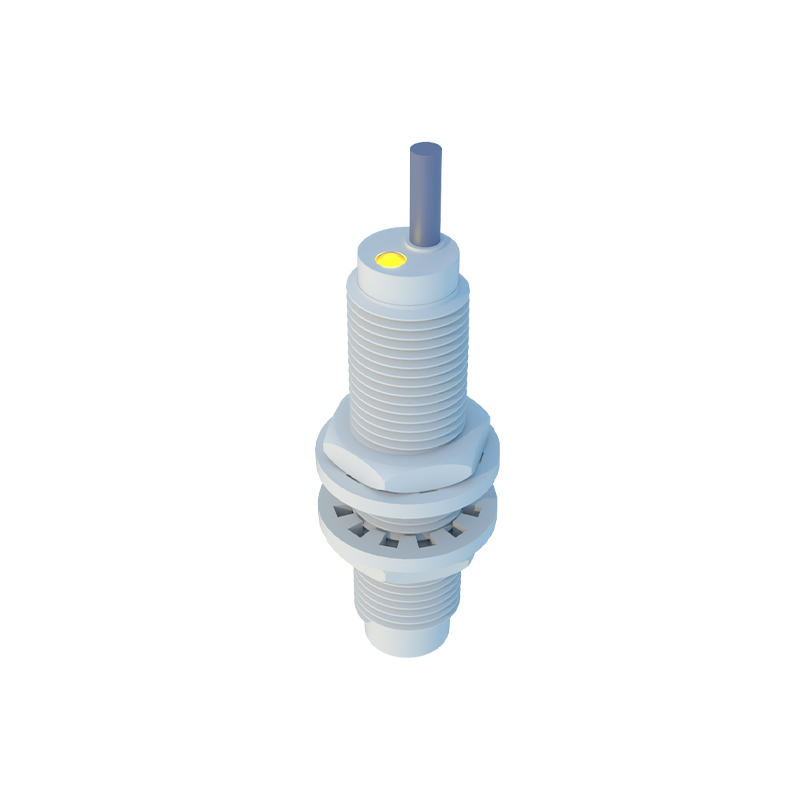
Magnetic proximity sensors (reed or Hall-effect types) are often used for position detection of cylinders or in safety applications. Simple reed switch-based sensors can be very affordable, starting as low as $10, while more robust Hall-effect sensors with digital outputs range from $20 to $60. Ultrasonic and photoelectric sensors, though sometimes categorized separately, function as proximity devices. Their prices are significantly higher due to complex electronics, starting around $50 for basic models and easily exceeding $200 for long-range, analog-output, or highly specialized variants.
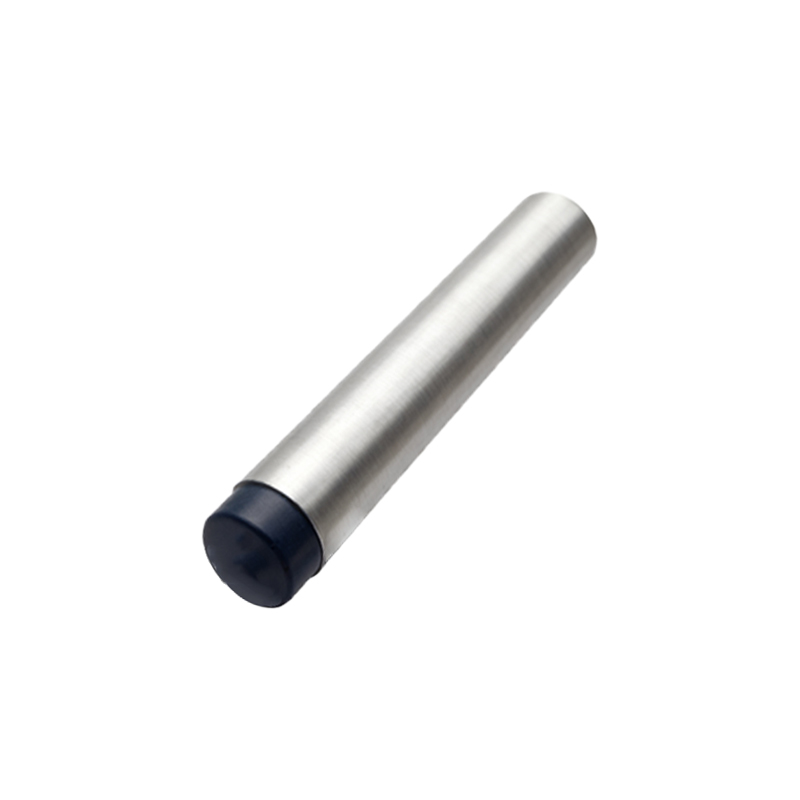
Beyond core technology, specifications critically impact price. Sensing distance is a major driver; a sensor with a 20mm range will cost more than an equivalent 5mm model. Form factor also matters: miniature sensors (e.g., M5, M8) command a premium over standard M12, M18, or M30 sizes due to manufacturing complexity. Connection type is another factor; sensors with quick-disconnect (QD) connectors or pre-wired cables (2m standard) are more expensive than those with simple cable exits. Output configuration (NPN vs. PNP, NO vs. NC) has a minor price effect, while analog (4-20mA, 0-10V) or IO-Link outputs add a substantial premium over standard digital switches.
Environmental protection ratings, notably IP67 and IP69K for washdown or harsh environments, increase cost. Similarly, sensors rated for extreme temperatures, high pressure resistance, or specific safety certifications (e.g., SIL, ATEX for hazardous areas) are priced significantly higher. Brand reputation and origin account for a notable price variance. Established global brands like Siemens, Omron, Schneider Electric, and Pepperl+Fuchs offer high reliability and extensive support, with prices at the upper end of each category. Value-oriented or regional brands provide competitive alternatives at lower price points, often 20-40% less, though with potential trade-offs in longevity or global availability.
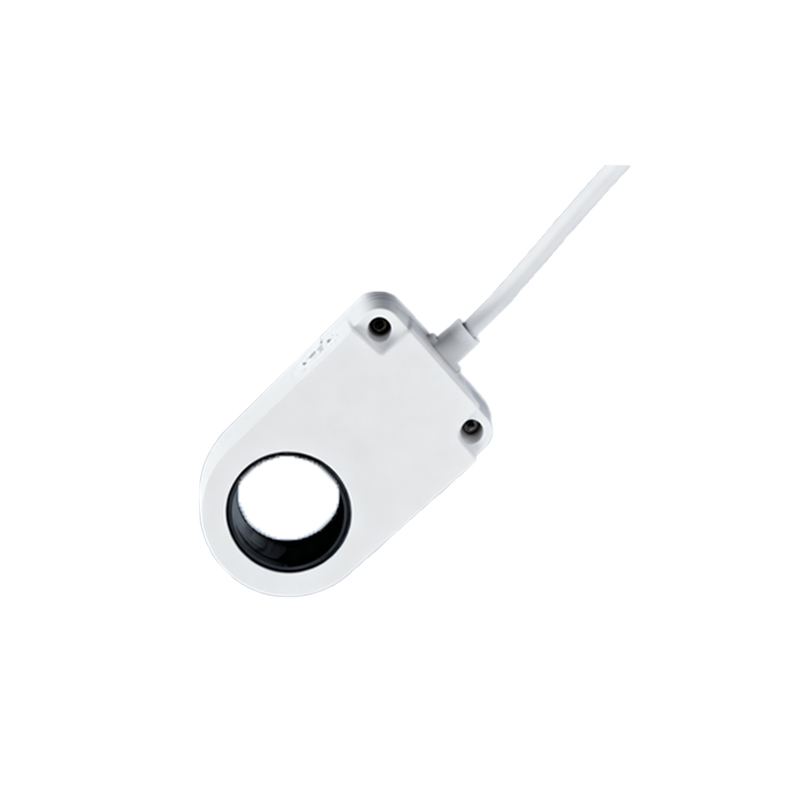
Purchasing volume dramatically affects unit cost. For OEMs or large projects, direct manufacturer quotes for bulk orders (hundreds or thousands of units) can reduce prices by 30-50% compared to single-unit list prices. Distributors and online industrial suppliers offer tiered pricing, but list prices are common references.
A sample price table illustrates these ranges (list price, single unit, USD):
- Inductive, M12, 4mm, Shielded, PNP NO: $25 - $60
- Capacitive, M30, 15mm, Plastic Detection, IP67: $55 - $120
- Magnetic, Cylinder Mount, Hall-effect, PNP: $25 - $50
- Ultrasonic, 300mm Range, Analog Output, IP67: $80 - $250
In summary, proximity sensor pricing is a function of technology, performance specifications, durability features, and brand. A $15 inductive sensor may suffice for a simple metal detection task, while a $300+ analog ultrasonic sensor is necessary for precise distance measurement in challenging conditions. Engineers are advised to specify requirements precisely—sensing distance, target material, size, output, and environment—to identify cost-effective solutions without over-specifying. Requesting samples and volume quotes from multiple suppliers is a standard practice to secure optimal value in industrial procurement.