In the realm of industrial automation and control systems, proximity sensors are indispensable components that detect the presence or absence of objects without physical contact. However, when operations extend into cryogenic environments—such as those found in aerospace, polar logistics, cold storage, and certain chemical processing applications—standard sensors often fail. This is where specialized low temperature proximity sensor manufacturers step in, engineering solutions that defy the cold.
The core challenge in designing sensors for sub-zero conditions lies in material science and electronic stability. Conventional sensors utilize materials that become brittle and lose conductivity at extremely low temperatures. Sealants may crack, and internal components like oscillators or amplifiers can drift out of specification, leading to unreliable detection. Manufacturers addressing this niche must select components rated for wide temperature ranges, often from -40°C down to -196°C (liquid nitrogen temperatures). This involves using specialized alloys for housings and sensing faces, low-temperature tolerant cables, and circuit designs that compensate for thermal drift.
One critical technology employed is the inductive proximity sensor, which generates an electromagnetic field to detect metallic objects. In low-temperature variants, the coil windings are made from materials with stable magnetic properties across temperature extremes. The oscillator circuit is designed with components that maintain frequency stability, ensuring the sensing distance remains consistent. Similarly, capacitive sensors for non-metallic detection in cold environments use dielectric materials that do not degrade when frozen.
Manufacturers also focus on robust mechanical construction. Housing is typically stainless steel (such as 316L grade) or specialized polymers like PEEK or PTFE, which resist thermal contraction and corrosion. Sealing is achieved with advanced elastomers (e.g., fluorocarbon O-rings) that remain flexible at low temperatures, preventing moisture ingress that could freeze and damage the sensor. Many designs feature a potted electronics compartment filled with thermally conductive, low-viscosity epoxy to protect against thermal shock and vibration.
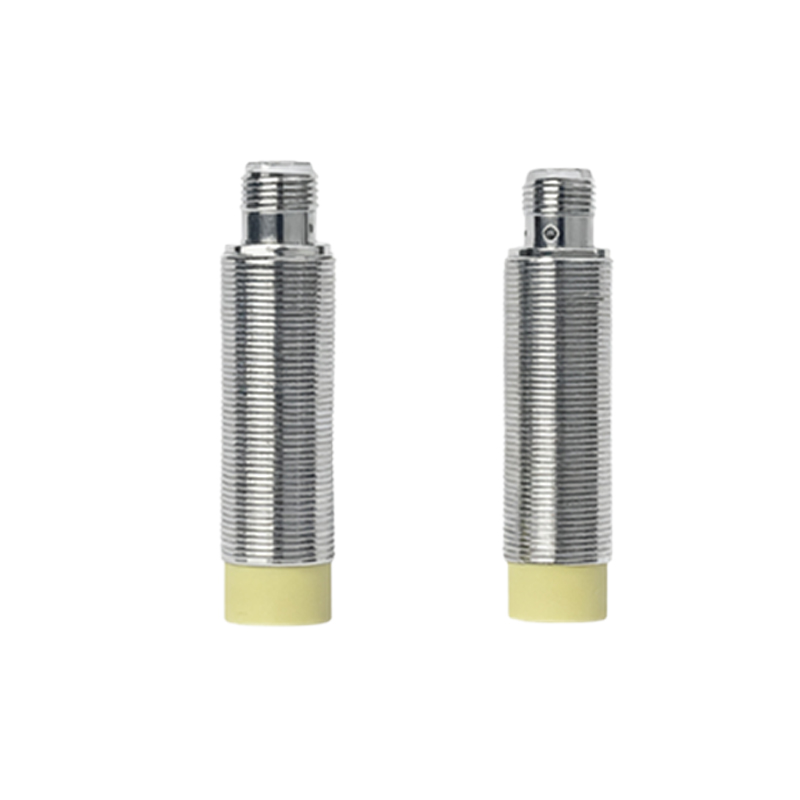
The testing phase is rigorous. Reputable manufacturers subject prototypes to environmental chambers that simulate prolonged exposure to target temperatures, combined with cycles of thermal shock. Performance metrics—such as switching frequency, repeat accuracy, and current consumption—are monitored to ensure they meet specifications. Compliance with international standards (e.g., IEC 60947-5-2 for proximity sensors) is verified, and many sensors carry certifications like ATEX for use in explosive atmospheres that may coincide with cold conditions.
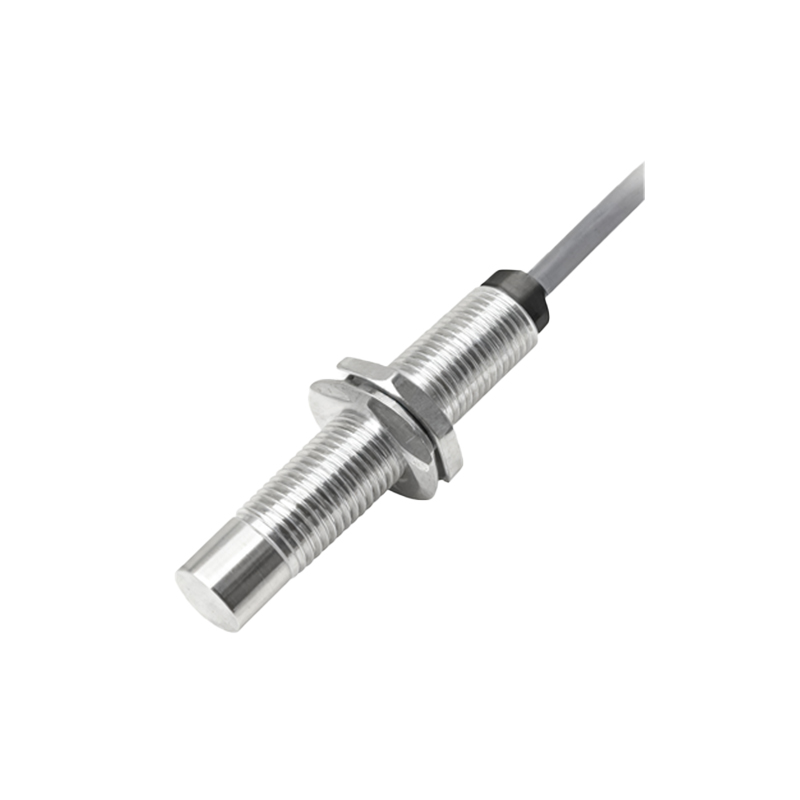
Applications are diverse. In the aerospace sector, these sensors monitor landing gear positions or cryogenic fuel levels. In food and pharmaceutical cold chains, they ensure packaging and sorting automation runs smoothly in freezer warehouses. Energy sectors use them in liquefied natural gas (LNG) facilities. The trend toward automation in Arctic mining and research also drives demand.
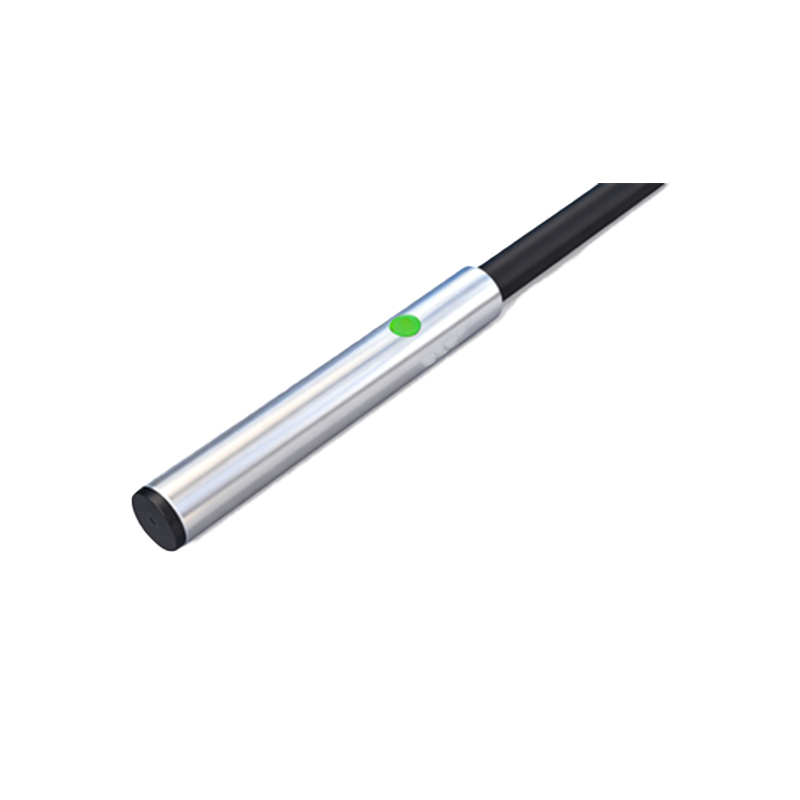
Choosing a manufacturer requires evaluating their expertise in low-temperature engineering, customization capabilities, and support. Leading suppliers offer detailed technical data sheets with clear performance curves across temperatures, alongside application engineering assistance. As industries push into colder frontiers, the innovation from these specialized manufacturers will continue to be vital, enabling reliable automation where traditional electronics dare not operate.