In the realm of industrial automation and control systems, proximity sensors are ubiquitous, providing non-contact detection of objects. However, several other devices share similar functional principles or achieve comparable outcomes through different physical mechanisms. Understanding these alternatives is crucial for selecting the optimal solution for specific application requirements, considering factors like sensing range, target material, environmental conditions, and cost.
One primary category of devices with analogous functionality is photoelectric sensors. These operate by emitting a beam of light (visible, infrared, or laser) and detecting changes in the received light signal. They can be configured in through-beam, retro-reflective, or diffuse (proximity) modes. The diffuse mode photoelectric sensor functions similarly to a standard inductive or capacitive proximity sensor but uses light instead of an electromagnetic field. They are excellent for detecting objects at longer ranges than typical inductive sensors and can sense a wide variety of materials, regardless of color or metallic properties, though they can be affected by ambient light, dust, and fog.
Ultrasonic sensors represent another powerful alternative. They work on the principle of echolocation: emitting high-frequency sound waves and measuring the time for the echo to return. This technology excels in applications requiring precise distance measurement and level detection, not just presence detection. Ultrasonic sensors can detect virtually any material, including liquids, transparent objects, and irregular surfaces, which are challenging for optical or inductive sensors. They perform reliably in dusty or steamy environments where photoelectric sensors might fail, though they can be influenced by temperature gradients and wind.
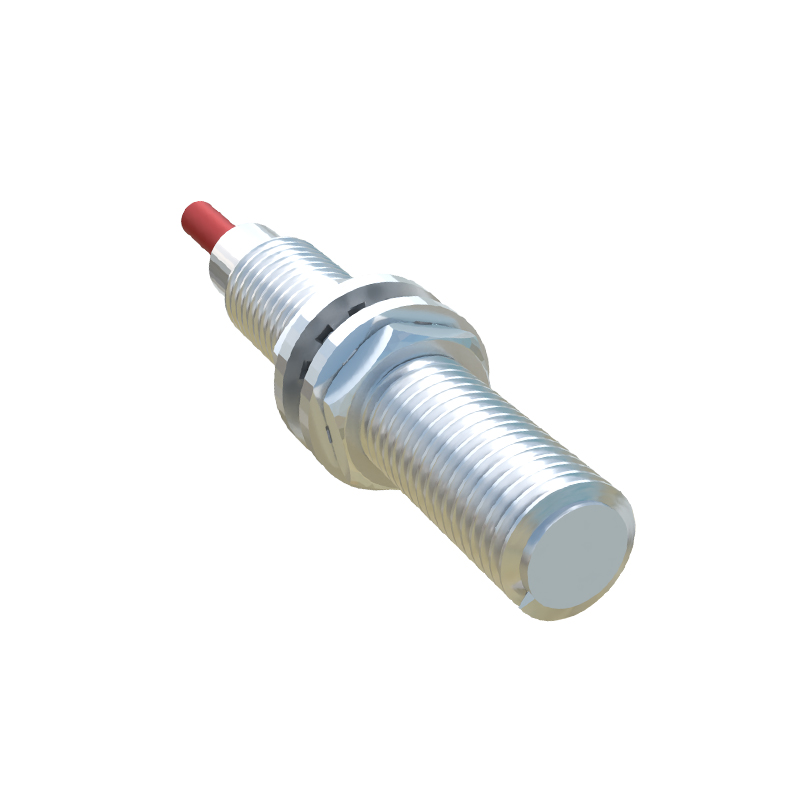
Capacitive proximity sensors, while often grouped under the broad "proximity sensor" umbrella, offer a distinct function compared to their more common inductive counterparts. Inductive sensors detect only metallic objects by disturbing an electromagnetic field. Capacitive sensors, however, can detect both metallic and non-metallic materials (plastics, wood, liquids, granules) by sensing changes in capacitance caused by the dielectric properties of the target. This makes them ideal for applications like liquid level control, material presence detection in hoppers, or detecting non-ferrous materials.
Hall Effect sensors are magnetic field-based devices that detect the presence and strength of a magnetic field, typically from a permanent magnet. They are fundamentally different from inductive sensors as they respond specifically to magnetic flux rather than eddy currents in metals. These solid-state devices are extremely reliable, wear-free, and used extensively for position sensing (e.g., in cylinder pistons), speed sensing (rotary encoders), and current sensing. Their operation is unaffected by non-magnetic materials, oil, or dirt.
Finally, vision systems and LiDAR (Light Detection and Ranging) represent the high-end spectrum of "proximity" and presence detection. While more complex and costly, they provide rich data far beyond binary detection. Machine vision cameras can identify, inspect, and locate objects, while LiDAR creates precise 3D maps of an environment for navigation and obstacle avoidance in AGVs (Automated Guided Vehicles) and robotics. These systems integrate sensing with advanced processing to make contextual decisions.
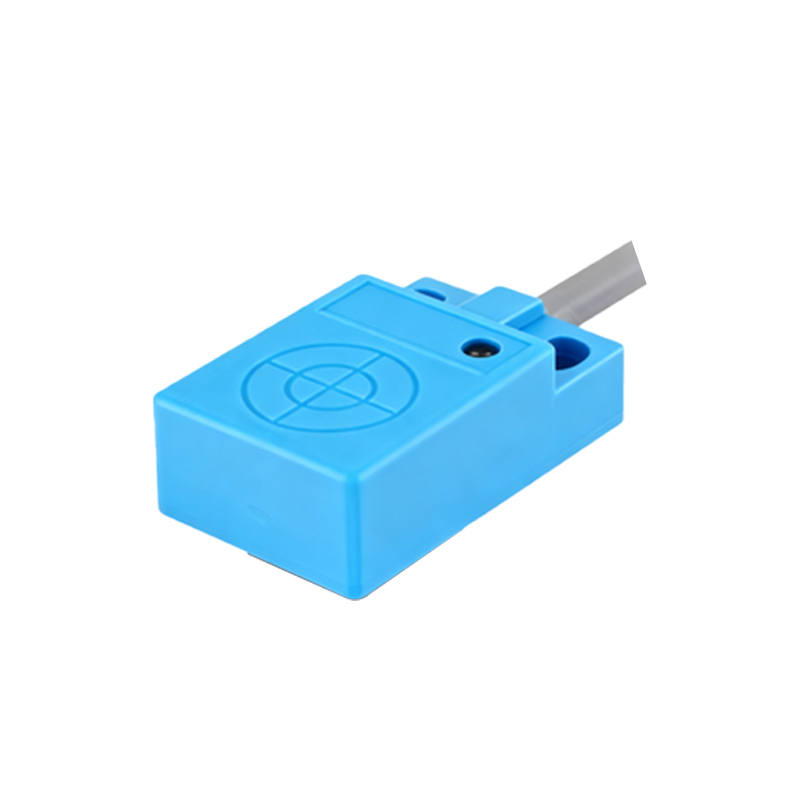
Selection among these technologies is not merely about substitution but about matching capability to task. An inductive sensor is unbeatable for reliably detecting a steel part on a high-speed conveyor. A diffuse photoelectric sensor might be chosen to detect a transparent bottle. An ultrasonic sensor is perfect for monitoring the fill level of a corrosive chemical tank from above. A capacitive sensor can verify the presence of plastic caps in a chute, and a Hall Effect sensor provides flawless feedback on a pneumatic cylinder's end position.
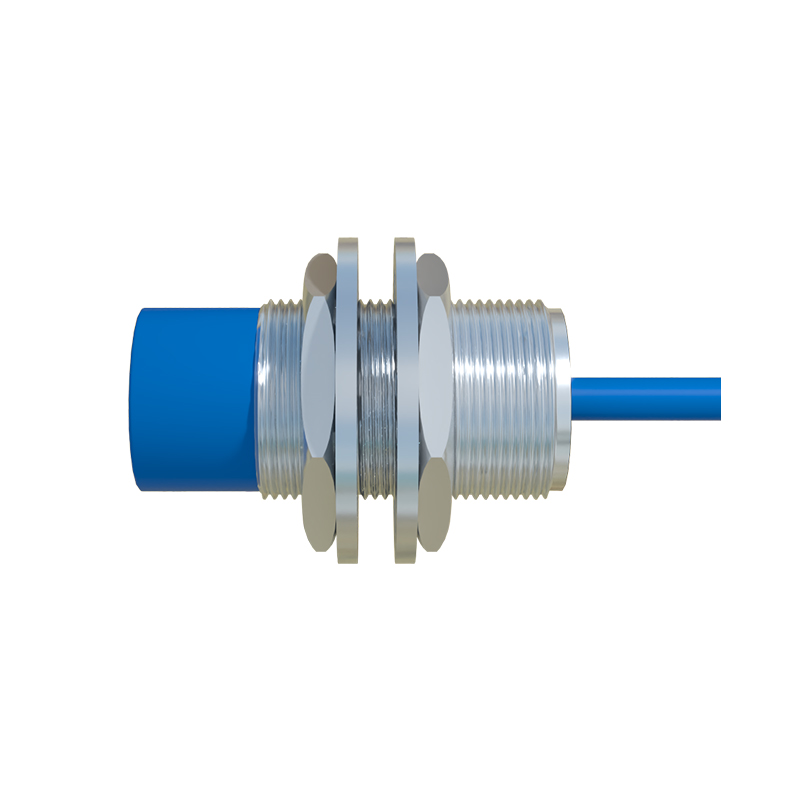
In conclusion, while the term "proximity sensor" often defaults to inductive types, a broad ecosystem of sensing devices delivers similar core functionality—non-contact detection—through diverse principles. A proficient engineer's toolkit must include knowledge of photoelectric, ultrasonic, capacitive, magnetic, and advanced optical systems. The optimal industrial application design hinges on a detailed analysis of the target, environment, required output, and economic constraints, leveraging the unique strengths of each sensing paradigm to build robust, efficient, and intelligent automated systems.