In the dynamic landscape of industrial automation, proximity sensors are indispensable components, providing non-contact detection of metallic and non-metallic objects. Selecting the right brand is paramount for ensuring reliability, precision, and longevity in demanding environments. This article provides an in-depth analysis of leading proximity sensor manufacturers, focusing on their technological strengths, product portfolios, and industry reputation.
Siemens stands as a titan in the industrial automation sector. Their SIMATIC and SIRIUS sensor lines offer an exceptionally wide range of inductive, capacitive, and ultrasonic proximity sensors. Siemens sensors are renowned for their robustness, high switching frequencies, and seamless integration into Totally Integrated Automation (TIA) systems. They are a go-to choice for large-scale, complex automation projects in automotive, food and beverage, and heavy industries, where system-wide compatibility is critical.
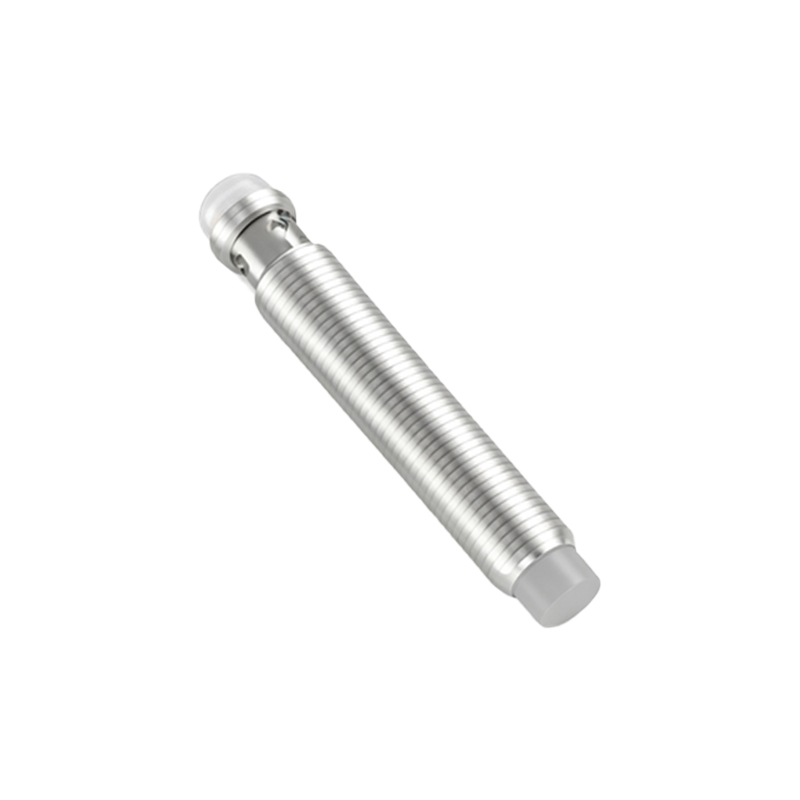
Omron, a Japanese electronics giant, is a powerhouse in sensor technology. Omron's E2E and E2A series of inductive proximity sensors are industry benchmarks for compact size, high precision, and durability. They excel in applications requiring high-speed detection and resistance to harsh conditions like cutting fluids or weld spatter. Omron's strong focus on R&D ensures continuous innovation in areas like IO-Link compatibility and advanced diagnostics, making them a favorite for precision machinery and robotics.
Rockwell Automation, through its Allen-Bradley brand, commands immense respect in North American and global markets. Their Bulletin 871T and 872C series sensors are engineered for extreme durability and easy installation. A key strength is their deep integration with Rockwell's control platforms (like ControlLogix and CompactLogix), providing unparalleled data transparency and diagnostic capabilities within the Studio 5000 environment. For plants heavily invested in the Rockwell ecosystem, their sensors offer optimized performance and simplified maintenance.
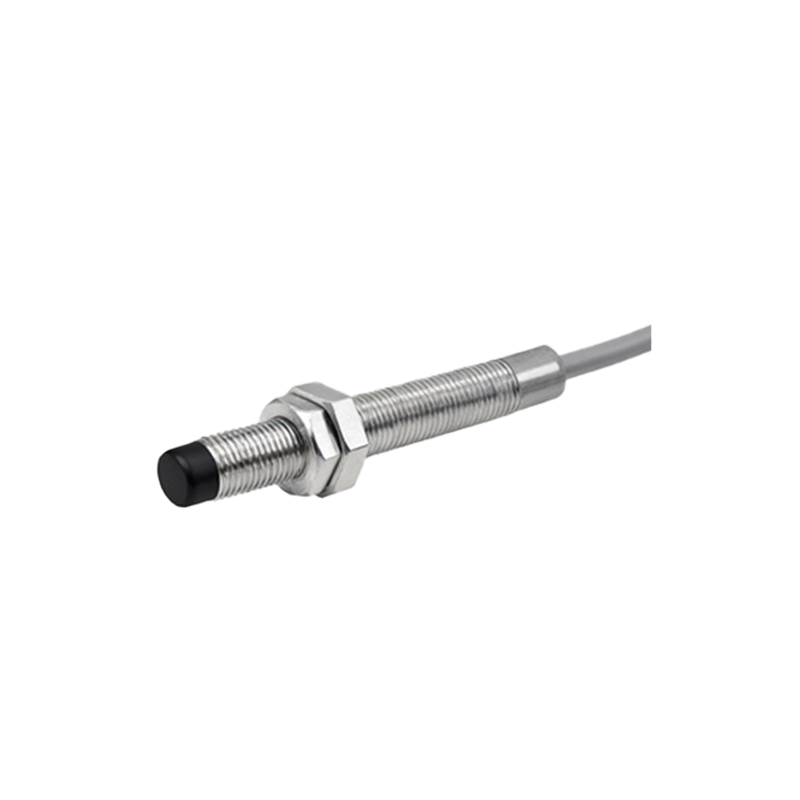
Pepperl+Fuchs is a specialist often hailed as the pioneer and global market leader in intrinsic safety and sensor technology. Their expertise in hazardous areas is unmatched. They offer an exhaustive portfolio of inductive, capacitive, and ultrasonic sensors with certifications for use in explosive atmospheres (ATEX, IECEx). Beyond safety, their sensors are known for exceptional quality, high temperature resistance, and innovative designs like factor 1 cylinders. They are the definitive choice for oil & gas, chemical, and pharmaceutical industries.
Balluff, a German sensor specialist, is synonymous with innovation and flexibility. They are leaders in RFID systems and sensor networking. Balluff's BALLUFFprox inductive sensors are known for their long sensing ranges and metal-face designs. Their true distinction lies in advanced features like IO-Link integration, which turns simple sensors into intelligent data points, enabling predictive maintenance and process optimization. This makes Balluff ideal for smart factory and Industry 4.0 applications.
Turck stands out for its expertise in rugged, application-specific sensor solutions. They offer a vast array of sensors in various housing materials (stainless steel, PBT, PVDF) and form factors to withstand the most punishing environments—extreme temperatures, high-pressure washdowns, and corrosive chemicals. Turck's multipurpose Q-series and high-temperature F190 series are particularly notable. Their strength is providing reliable solutions for challenging applications in material handling, marine, and outdoor equipment.
Keyence, while sometimes positioned in a higher price bracket, is renowned for pushing the boundaries of sensor performance. They offer photoelectric, laser, and fiber optic sensors with unparalleled precision, speed, and advanced features like precise edge detection and transparent object sensing. Keyence sensors often solve complex detection problems that standard sensors cannot. They are frequently specified in high-precision industries like semiconductor manufacturing, electronics assembly, and precision measurement.
When selecting a proximity sensor brand, engineers must consider several factors beyond the name. Application requirements (sensing distance, target material, environment), required certifications (IP rating, food-grade, explosion-proof), communication protocols (IO-Link, analog output), and existing control system architecture are all decisive. The "best" brand is ultimately the one that delivers the optimal combination of performance, reliability, and total cost of ownership for the specific application. The brands listed above have consistently proven their mettle across global industries, providing the technological backbone for efficient and intelligent automation.