In the realm of industrial automation, proximity sensors stand as silent sentinels, enabling seamless and efficient operations across countless applications. These devices, which detect the presence or absence of objects without physical contact, are fundamental to modern manufacturing, robotics, and safety systems. Their ability to function reliably in harsh environments—amidst dust, moisture, and extreme temperatures—makes them indispensable in sectors ranging from automotive assembly to food processing.
Proximity sensors operate on various principles, each suited to specific needs. Inductive sensors, for instance, detect metallic objects by generating an electromagnetic field. When a metal target enters this field, it induces eddy currents, causing a change in the oscillation amplitude that triggers the sensor’s output. These sensors are ideal for detecting ferrous and non-ferrous metals, often employed in machine tools or conveyor systems where precision is paramount. Capacitive sensors, on the other hand, can detect both metallic and non-metallic materials, including liquids, plastics, and wood. They work by measuring changes in capacitance caused by the presence of an object within an electrostatic field. This versatility makes them valuable in packaging industries or level detection tasks. Ultrasonic sensors use sound waves to gauge distance or presence, excelling in applications requiring long-range detection or transparent object sensing, such as in material handling or collision avoidance systems. Lastly, photoelectric sensors rely on light beams, offering high accuracy for detecting small items or colors, commonly seen in electronics manufacturing or sorting lines.
The selection of a proximity sensor hinges on multiple factors: the target material, required sensing range, environmental conditions, and output type. For example, in a high-speed bottling plant, a capacitive sensor might monitor liquid levels, while an inductive sensor ensures metal caps are properly sealed. Engineers must also consider mounting constraints, response time, and connectivity options—whether NPN or PNP outputs, analog or digital signals—to integrate seamlessly with PLCs (Programmable Logic Controllers) and other control systems.
Advancements in technology have propelled proximity sensors toward greater intelligence and connectivity. Modern sensors often feature IO-Link communication, enabling real-time data exchange, remote configuration, and predictive maintenance. This integration with Industry 4.0 frameworks allows for smarter factories where sensors not only detect objects but also provide diagnostic information, reducing downtime and optimizing workflows. Moreover, miniaturization has led to compact designs that fit into tight spaces without compromising performance, expanding their use in robotics and medical devices.
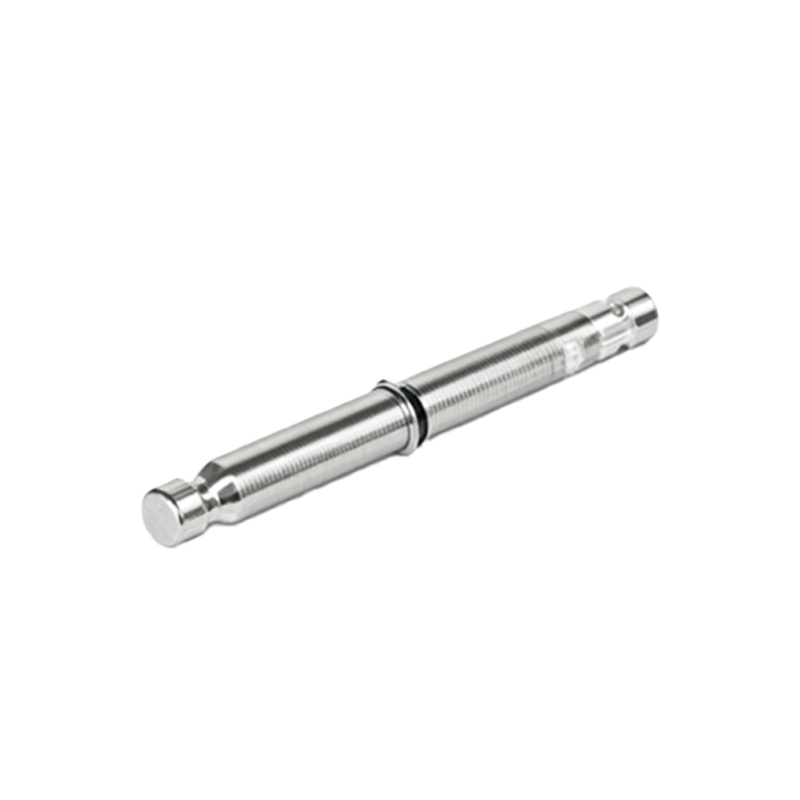
Despite their robustness, proximity sensors face challenges like electromagnetic interference, coating buildup, or false triggers from ambient conditions. Mitigation strategies include proper shielding, regular cleaning, and selecting sensors with built-in immunity. For instance, in welding environments, sensors with weld-field immunity prevent spurious signals from arc interference.
In safety-critical applications, such as automated machinery guards or elevator doors, proximity sensors play a vital role in preventing accidents. They ensure equipment halts when a human or obstacle is detected, adhering to international standards like ISO 13849. This underscores their importance beyond mere automation—they are key to protecting lives and assets.
Looking ahead, the evolution of proximity sensors will likely focus on enhanced sensitivity, energy efficiency, and AI-driven analytics. As industries embrace IoT (Internet of Things), these sensors will become even more interconnected, contributing to autonomous systems and sustainable operations. For engineers and technicians, understanding their principles and applications is crucial for designing resilient and innovative solutions.
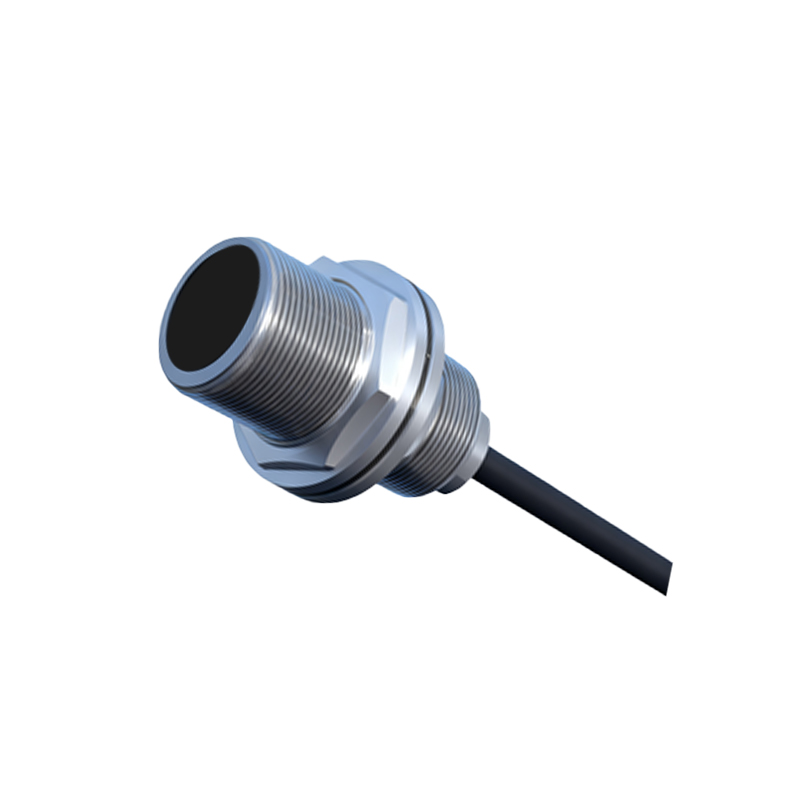
In summary, proximity sensors may operate behind the scenes, but their impact is profound. From streamlining production lines to enabling safe human-machine collaboration, they exemplify the synergy of simplicity and sophistication in engineering. As automation continues to advance, these devices will remain at the forefront, driving progress with every silent detection.