In modern industrial automation, proximity sensors play a pivotal role in detecting the presence, position, or movement of objects without physical contact. When it comes to thin sheet materials—such as metal foils, plastic films, paper, or composite layers—these sensors face unique challenges and offer specialized solutions. Thin sheets, often defined as materials with thicknesses below 1 mm, require sensors with high sensitivity and precision to ensure reliable operation in manufacturing processes.
Proximity sensors operate based on various principles, including inductive, capacitive, and magnetic technologies. For thin sheet detection, inductive proximity sensors are commonly used for metallic materials. They generate an electromagnetic field and detect changes caused by conductive objects. However, thin metal sheets may produce weak signals due to limited mass and conductivity. To address this, advanced sensors incorporate adjustable sensing ranges and frequency modulation to enhance sensitivity. For non-metallic thin sheets like plastic or paper, capacitive proximity sensors are preferred. They detect changes in capacitance caused by the material's dielectric properties, making them suitable for low-density or insulating materials.
The applications of proximity sensors in thin sheet handling are extensive. In printing and packaging industries, sensors monitor the feed of paper or film rolls to prevent jams or misalignment. In metal processing, they ensure precise positioning of foil during cutting or stamping operations. Electronics manufacturing relies on these sensors to handle thin circuit boards or flexible displays. Additionally, in renewable energy sectors, sensors assist in positioning solar panels or battery films. Key benefits include reduced material waste, improved production speed, and enhanced safety by minimizing human intervention.
Selecting the right proximity sensor for thin sheets involves several factors. Sensing distance must be calibrated to account for the material's thinness; too great a distance may lead to false triggers, while too close can cause damage. Environmental conditions like temperature, humidity, or dust also impact performance. For instance, in high-temperature settings, sensors with robust housings and thermal stability are essential. Modern sensors often feature digital interfaces, such as IO-Link, enabling real-time data exchange and integration with industrial control systems for predictive maintenance.
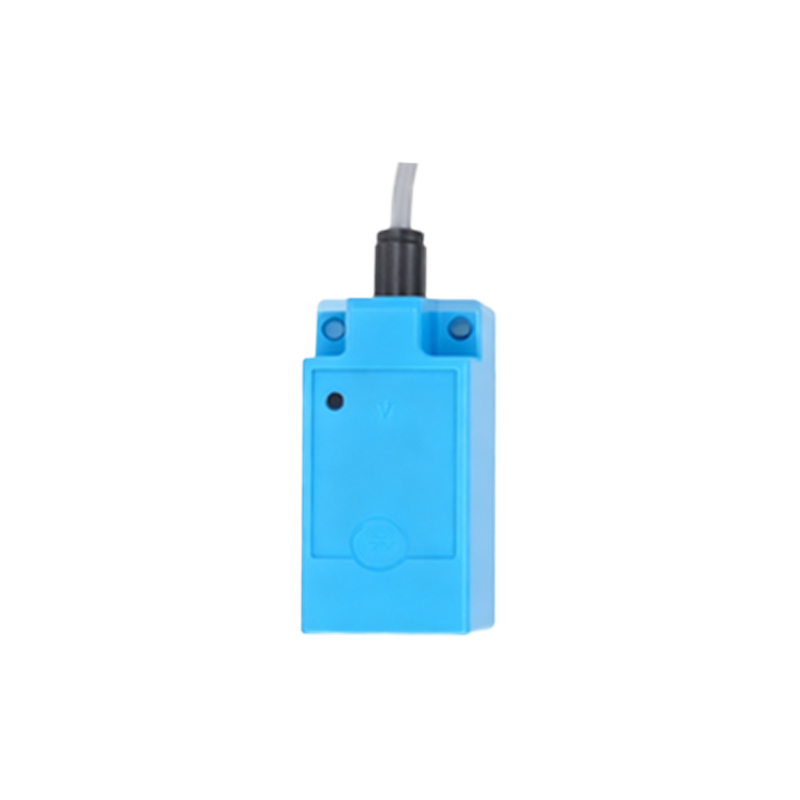
Innovations in sensor technology continue to expand capabilities for thin sheet detection. Miniaturized designs allow installation in tight spaces, while multi-functional sensors combine detection with measurement tasks. For example, some models can gauge sheet thickness or detect wrinkles simultaneously. The rise of Industry 4.0 has further driven smart sensor adoption, leveraging IoT connectivity for analytics and optimization. In summary, proximity sensors are indispensable for thin sheet applications, offering accuracy and efficiency that support advanced automation. Engineers must consider material properties, operational demands, and technological trends to implement effective solutions.