In industrial automation and electrical control systems, proximity sensors are indispensable components for non-contact detection of metallic or non-metallic objects. However, a critical and hazardous phenomenon that occasionally arises is sensor overheating, which can escalate to catastrophic failure modes, including explosion or fire. This article delves into the root causes, underlying mechanisms, and preventive measures from an engineering perspective, adhering to industry-standard analysis.
The primary cause of proximity sensor overheating is excessive current draw, often stemming from electrical overload. When a sensor is subjected to a supply voltage beyond its rated specifications or experiences a sustained short-circuit condition, the internal components, particularly the oscillator circuit and output driver (transistor or relay), dissipate power far exceeding their thermal design limits. This generates intense localized heat. For instance, a 10-30VDC sensor connected to a 48VDC line will experience current surge, leading to rapid temperature rise in the semiconductor junctions and coil windings if present.
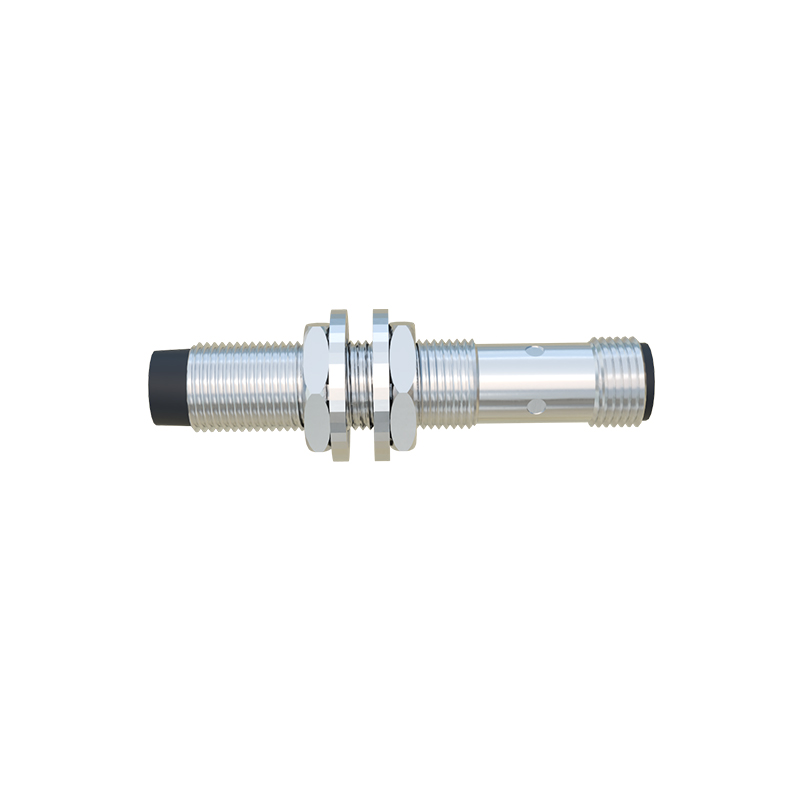
Another prevalent cause is improper installation and environmental factors. Mounting a sensor in an enclosure with inadequate ventilation or in close proximity to other heat-generating equipment like motor drives or transformers creates an ambient temperature exceeding the sensor's operational range, typically -25°C to 70°C for industrial models. Heat cannot dissipate effectively, causing internal temperature to accumulate. Furthermore, physical damage to the sensor housing, such as cracks or compromised seals, can allow conductive dust, metallic shavings, or moisture ingress. This contamination can create internal leakage paths or short circuits between terminals, leading to arcing and localized hot spots. In explosive atmospheres (ATEX/IECEx zones), even a minor internal spark from such a fault can ignite surrounding gases, causing an explosion.
Component degradation and manufacturing defects are insidious contributors. Over time, the aging of dielectric materials in capacitors, the breakdown of insulation in coils, or the fatigue of solder joints can increase internal resistance. This elevated resistance, according to Joule's Law (Heat = I²R), results in greater power loss as heat. A defective voltage regulator or a flawed output transistor with high leakage current can cause continuous power dissipation even in the idle state. In rare cases, substandard materials or poor quality control during manufacturing can lead to weak points in the current-carrying paths, which become foci for overheating under normal operational stress.
The transition from overheating to explosion involves specific failure mechanics. In inductive proximity sensors, the coil is a vulnerable element. Overcurrent can cause the coil's insulation to melt, leading to turn-to-turn shorts. This reduces inductance and increases current further in a vicious cycle, generating extreme heat that can vaporize the coil wire and build up pressure within the sealed housing. Similarly, in capacitive or ultrasonic sensors, a failed oscillator IC can latch in a high-current state. If the housing is hermetically sealed, the rapid heating of air and materials inside creates high internal pressure. Combined with potential outgassing from overheated plastics or epoxy resins, this pressure may exceed the housing's burst strength, resulting in a violent rupture or explosion, projecting debris and potentially igniting surrounding flammables.
Prevention is paramount and multi-layered. First, strict adherence to electrical specifications is non-negotiable. Ensure the sensor's voltage, current, and load specifications match the control circuit. Implement proper fusing or electronic current limiting in the supply line. Second, consider the installation environment rigorously. Provide sufficient clearance for airflow, use sensors with appropriate IP (Ingress Protection) and temperature ratings for the application, and avoid mounting near external heat sources. For harsh environments, select sensors with robust housings (e.g., stainless steel) and higher protection classes. Third, establish a proactive maintenance schedule. Regularly inspect sensors for physical damage, cleanliness, and abnormal temperature rise using thermal imaging guns. Monitor control cabinet temperatures and ventilation system performance.
Furthermore, for applications in hazardous locations, always use intrinsically safe (IS) or explosion-proof certified sensors designed to contain any internal explosion and prevent ignition of the external atmosphere. These sensors incorporate current-limiting barriers, reinforced housings, and specific design philosophies to mitigate risks.
In conclusion, proximity sensor overheating and explosion are not random events but the consequence of identifiable electrical, environmental, or mechanical faults. A deep understanding of the sensor's operational principles, coupled with rigorous system design, correct installation, and diligent maintenance, forms the cornerstone of preventing these dangerous failures, ensuring system reliability and personnel safety.