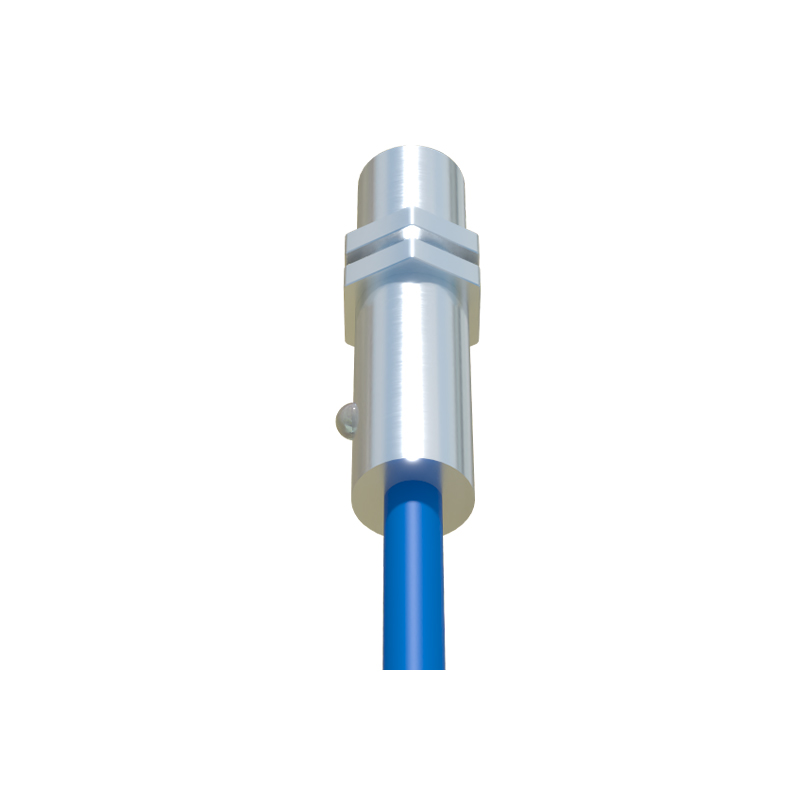
Magnetic proximity sensors represent a critical category of non-contact sensing devices in modern industrial automation, with Banner Engineering standing as a prominent leader in their design and manufacture. These sensors operate on a fundamental principle: they detect the presence or absence of a magnetic field, typically generated by a permanent magnet (often referred to as a target or actuator). Unlike inductive or capacitive sensors, magnetic proximity sensors are uniquely capable of sensing through non-ferrous materials like aluminum, plastic, or even stainless steel housings. This makes them indispensable in applications where the sensor must be isolated from harsh environments—sealed behind a barrier, submerged in liquid, or embedded within a machine frame—while the magnet is mounted on a moving part.
The core technology within a Banner magnetic proximity sensor is typically a reed switch or, more commonly in modern designs, a Hall-effect integrated circuit. Reed switch-based sensors contain two ferromagnetic reeds sealed within a glass tube filled with inert gas. When an external magnetic field of sufficient strength is applied, the reeds magnetize, attract each other, and make contact, closing the switch circuit. Hall-effect sensors, however, utilize a semiconductor element. When exposed to a magnetic field, a voltage difference (the Hall voltage) is generated perpendicular to both the current flow and the magnetic field. This analog phenomenon is converted into a clean, digital output signal by onboard electronics. Banner's advanced Hall-effect sensors offer superior precision, faster switching frequencies, and excellent resistance to shock and vibration compared to reed switches.
Banner's product line showcases a wide array of magnetic proximity sensors tailored for diverse challenges. Cylindrical-housed sensors, such as the SM series, offer robust, threaded metal bodies for easy installation in machined holes. Rectangular or limit-switch style housings provide alternative mounting options. Key performance specifications that engineers must evaluate include sensing distance, which for these sensors is typically shorter than inductive counterparts but highly consistent; switching frequency, critical for high-speed counting applications; output type (PNP/NPN, NO/NC, analog, or IO-Link); and environmental ratings like IP67, IP68, or IP69K for washdown or submersible use. The choice of magnet is equally crucial; Banner provides various actuator shapes and magnetic strengths to ensure reliable operation at the specified gap.
The application spectrum for Banner magnetic proximity sensors is vast. A quintessential use is in pneumatic cylinder position feedback. A magnet is embedded in the piston, and sensors mounted externally on the cylinder's aluminum body detect the piston's end-of-stroke positions, providing reliable feedback without penetrating the cylinder wall. They are extensively used in material handling for detecting the position of doors, hatches, or guards on machinery. In automotive assembly, they monitor robotic tooling positions. In food and beverage or pharmaceutical plants, their ability to be fully encapsulated in stainless steel (with a sensing face of non-corrosive material) allows for hygiene-critical CIP (Clean-in-Place) processes. Furthermore, their insensitivity to most non-ferrous contaminants like dust, chips, or fluids makes them robust in dirty environments.
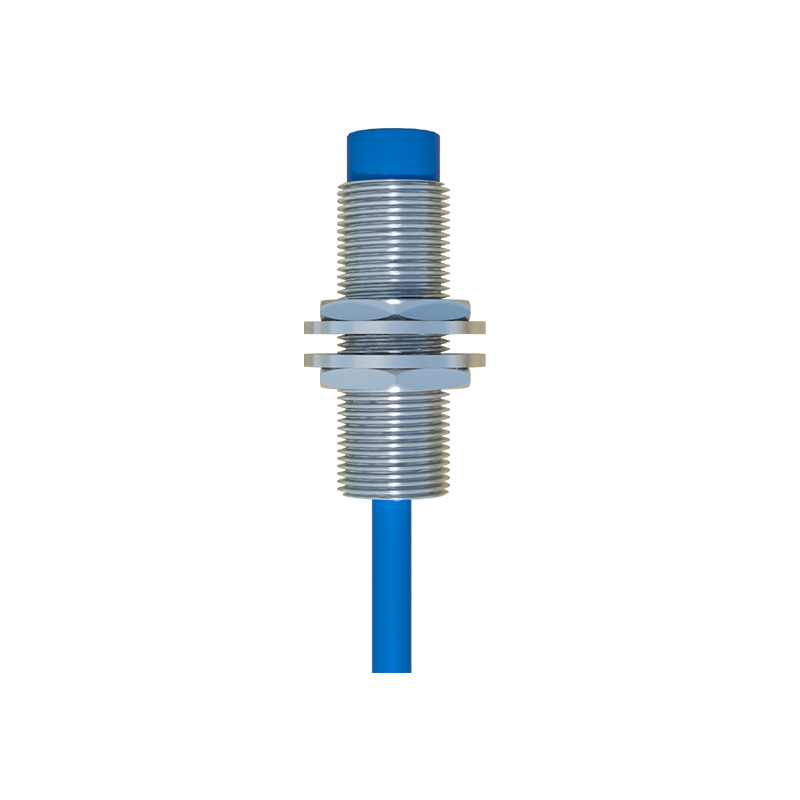
When integrating these sensors, several best practices ensure optimal performance. Proper alignment between the sensor and the magnet is paramount; the sensing axis must be correctly oriented. The effective sensing distance can be reduced by surrounding ferrous metal, so careful consideration of the mounting environment is necessary. Engineers should always refer to the sensor's data sheet for the specific "operating point" and "release point" specifications to design with an adequate safety margin. Utilizing the correct magnet strength and size, as recommended by Banner, guarantees the rated switching distance. For demanding applications involving extreme temperatures or strong external magnetic fields, selecting sensors with appropriate ratings is essential.
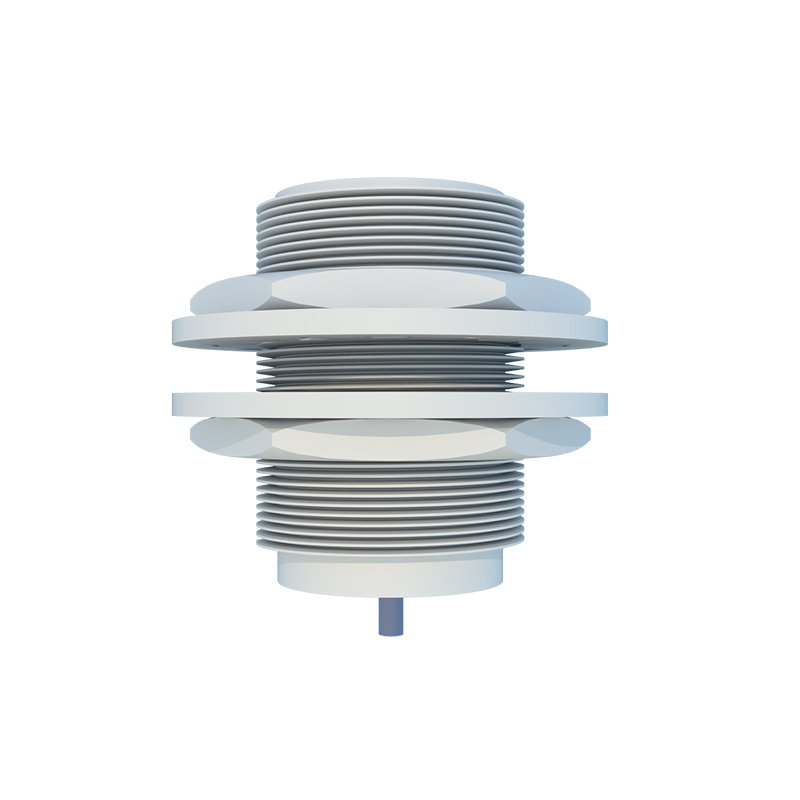
Looking ahead, the integration of smart features is enhancing the value proposition of magnetic sensors. Banner's offerings with IO-Link communication transform a simple binary presence detector into an intelligent device capable of reporting operating parameters, diagnostic data (like switch cycle counts), and enabling remote configuration. This aligns with Industry 4.0 initiatives for predictive maintenance and data-driven optimization. In conclusion, Banner magnetic proximity sensors provide a uniquely reliable and versatile sensing solution for challenging industrial environments. Their principle of operation through non-ferrous barriers unlocks design possibilities unattainable with other sensor types, solidifying their role as a fundamental component in the toolkit of automation engineers worldwide. Understanding their technology, specifications, and application guidelines is key to leveraging their full potential for robust machine design and operational efficiency.