In the world of industrial automation and machine safety, proximity sensors are indispensable components. A common and crucial question procurement specialists, engineers, and plant managers face is: "How much does a proximity sensor cost?" The answer is rarely a single figure, as the price per unit is influenced by a complex matrix of technical specifications, brand reputation, ordering volume, and application requirements. Understanding these variables is key to making a cost-effective purchasing decision that doesn't compromise on performance or reliability.
Firstly, the core technology defines a significant portion of the cost bracket. Inductive proximity sensors, used for detecting metallic objects, are generally the most economical. A standard, cylindrical inductive sensor (e.g., M12 or M18 form factor) with a sensing range of a few millimeters can range from $15 to $50 USD per unit for common industrial brands. Capacitive sensors, capable of detecting both metallic and non-metallic materials like liquids or plastics, typically carry a 20-40% premium over their inductive counterparts, often falling in the $25 to $80 USD range. For longer-range detection or specific material requirements, ultrasonic and photoelectric sensors represent a higher tier. Basic photoelectric sensors can start around $40, but more sophisticated models with precise background suppression or fiber optic units can easily exceed $150 to $300+ USD.
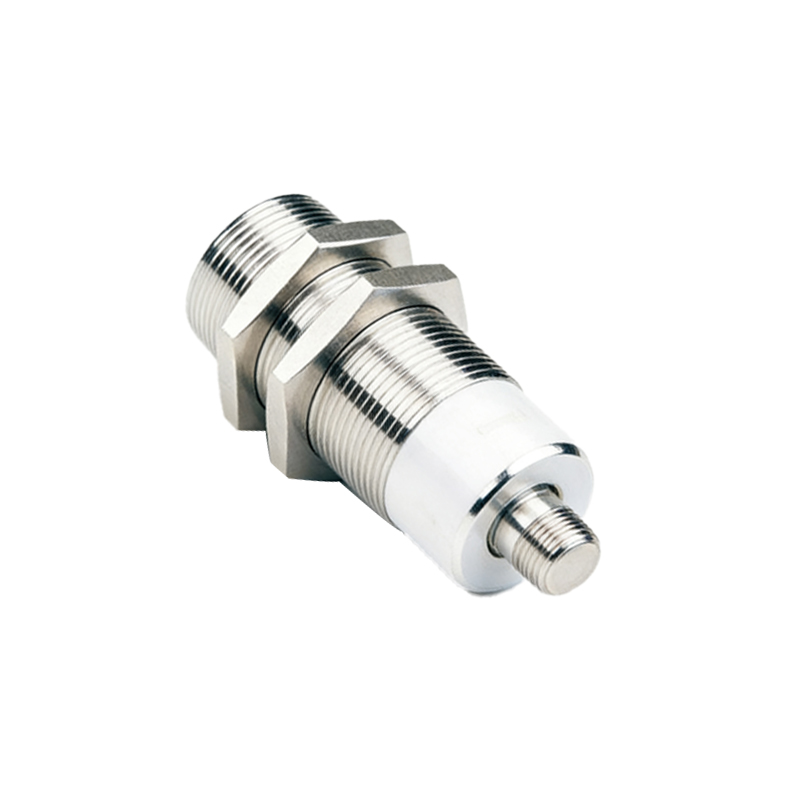
Beyond the sensing principle, performance specifications drastically affect price. A sensor with a 2mm range is less expensive than one with a 15mm range. Housing material is another critical factor; sensors with robust stainless steel housings (IP67, IP69K ratings) for harsh environments (food & beverage, chemical washdown) are more costly than those with nickel-plated brass or PBT plastic housings. Output type (PNP vs. NPN, analog vs. discrete) and connection method (pre-wired cable vs. quick-disconnect) also contribute to the final cost. A high-performance inductive sensor from a leading brand, featuring a 20mm range, stainless steel housing, and an analog output, can readily cost $80 to $150.
Brand positioning creates a clear stratification in the market. Premium European and Japanese brands (e.g., Siemens, Omron, Pepperl+Fuchs, Keyence) command higher prices due to their perceived reliability, extensive global support, and advanced features. A sensor from these manufacturers might be 30-100% more expensive than a functionally similar model from a value-oriented or regional brand. However, for mission-critical applications where downtime costs thousands per minute, the investment in a premium brand is often justified. Conversely, many reputable Asian manufacturers and automation distributors offer "generic" or house-brand sensors that provide solid performance at a compelling price point, sometimes 30-50% lower than the top-tier names, making them ideal for non-critical or high-volume applications.
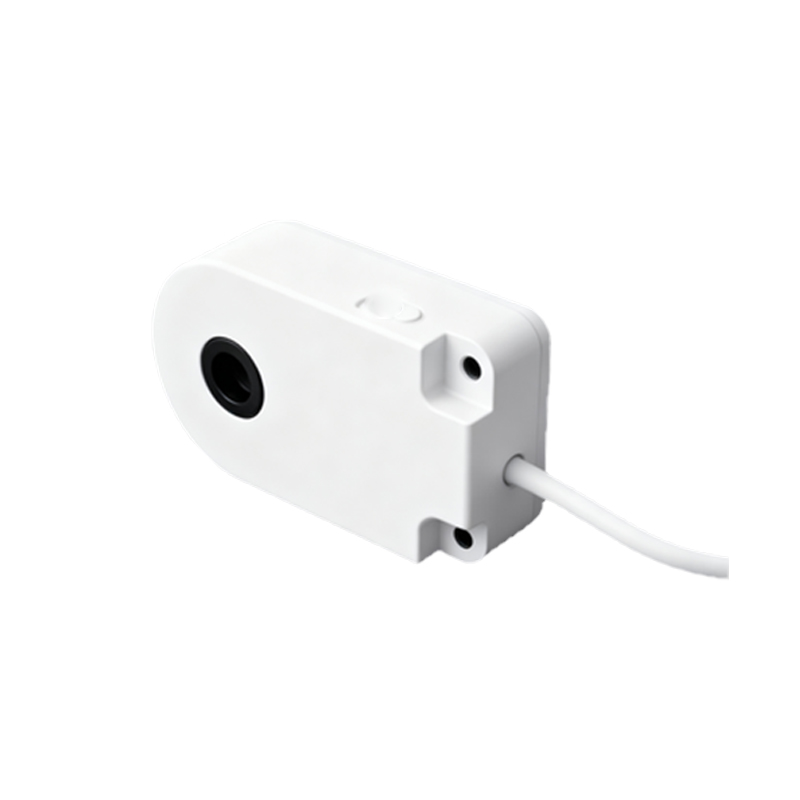
Purchase volume is perhaps the most straightforward economic lever. Buying a single sensor from a distributor will incur the highest unit price. For OEMs or large end-users with annual contracts, bulk purchasing can reduce unit costs by 20-40% or more. It is always advisable to request formal quotes for projected annual volumes rather than relying on listed distributor web prices.
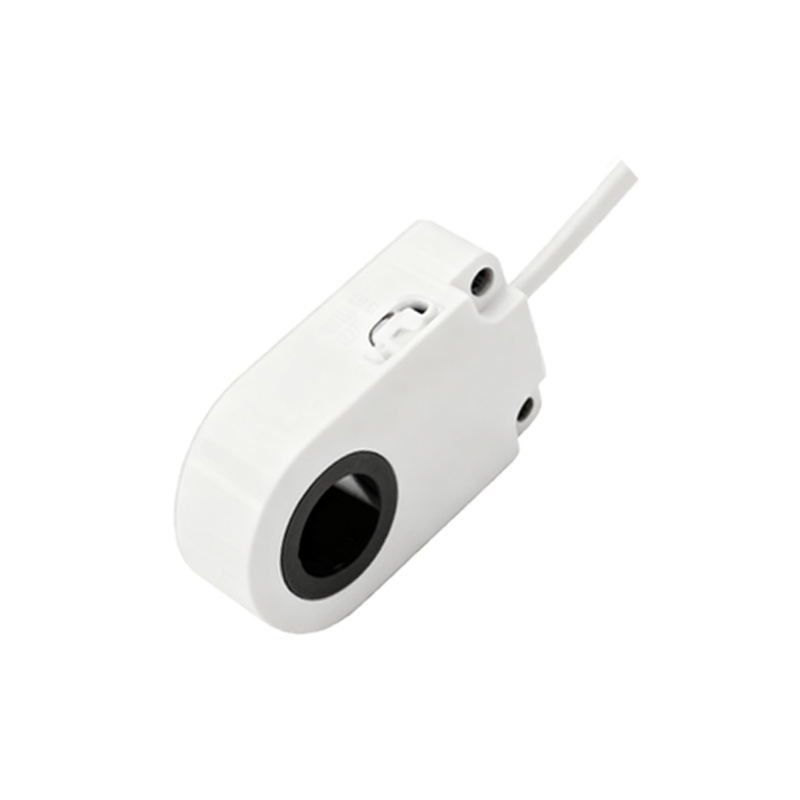
Additional costs must be factored into the total cost of ownership (TCO). These include mounting accessories, replacement cables, and the labor for installation and maintenance. A $50 sensor that fails prematurely can cause production losses far exceeding the price of a more durable $100 sensor. Therefore, the focus should extend beyond the initial "price per piece" to include metrics like mean time between failures (MTBF), warranty terms, and the supplier's technical support capability.
In summary, while a basic inductive proximity sensor can be sourced for under $20, a fully-featured sensor for a demanding application will likely cost $75 to $200. For specialized long-range or complex photoelectric/ultrasonic sensors, budgets should anticipate $200 to $500+. To obtain an accurate price, clearly define your requirements: target material, required sensing distance, environmental conditions (temperature, contaminants), electrical output, and housing style. Then, solicit quotes from multiple suppliers for your specific volume. Remember, in industrial automation, the cheapest sensor upfront is not always the most economical choice over its lifecycle.