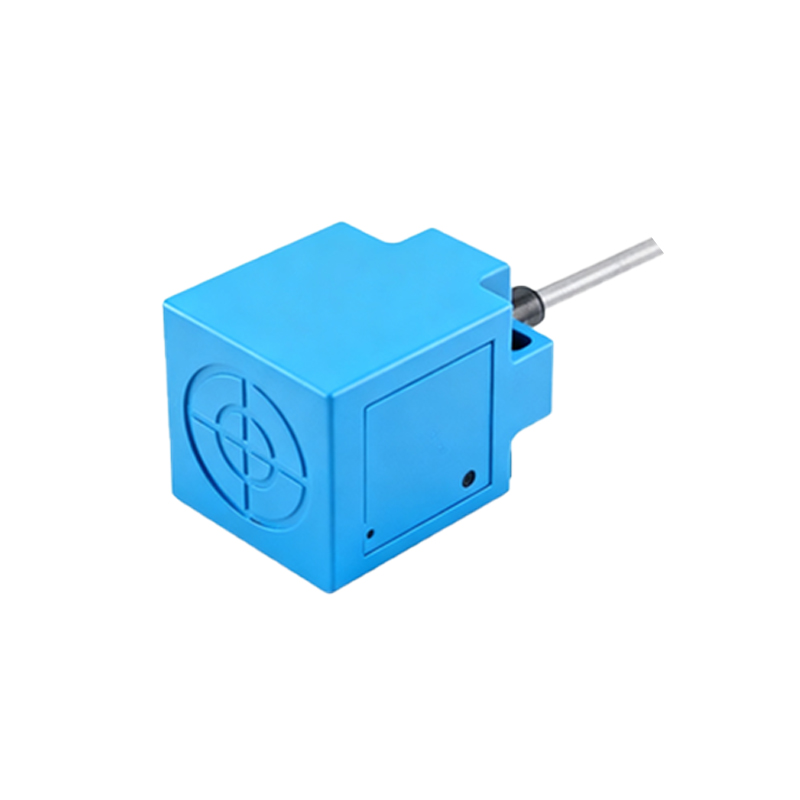
In the intricate ecosystem of industrial automation, the role of standard proximity sensors is foundational. These non-contact detection devices are pivotal for countless applications, from object positioning and part counting on high-speed assembly lines to safety interlocking on heavy machinery. However, the critical link between sensor manufacturers and end-users—the standard proximity sensor agent or distributor—often determines the success of an automation project. A proficient agent does far more than simply stock and sell components; they serve as a vital technical and logistical partner, ensuring that the right sensor technology is deployed effectively within a client's unique operational environment.
The value proposition of a specialized agent begins with deep technical expertise. The market offers a vast array of standard proximity sensors, including inductive, capacitive, and ultrasonic types, each with distinct specifications regarding sensing range, target material, switching frequency, and environmental ratings (IP67, IP69K, etc.). A seasoned agent possesses the knowledge to navigate this complexity. They engage in a consultative process, analyzing the application's specific requirements—such as the need to detect ferrous versus non-ferrous metals, the presence of harsh coolants or washdown procedures, or requirements for extreme temperature tolerance. This expertise prevents costly mismatches, where an underspecified sensor fails prematurely or an over-engineered one needlessly inflates project budgets.
Beyond product selection, top-tier agents provide immense value through supply chain reliability and local support. They maintain strategic inventories of key sensor models and families from trusted manufacturers, mitigating the risk of production line stoppages due to component shortages. Their local presence enables rapid response times for both delivery and on-site technical support. When a sensor behaves unexpectedly in an installation, an agent's field application engineers can often diagnose the issue—whether it's electrical interference, improper mounting, or an incompatible target—much faster than a remote manufacturer's support line, minimizing costly downtime.
Furthermore, a reputable agent acts as a conduit for innovation and certification. They are typically the first to receive updates on new sensor technologies, such as models with integrated IO-Link for predictive maintenance data or designs with enhanced noise immunity. They ensure the products they supply carry necessary regional certifications (e.g., UL, CE, ATEX for hazardous areas), which is a non-negotiable aspect of system compliance and safety. By partnering with an agent that represents leading manufacturers, engineers gain access to a continuously evolving portfolio of solutions without the burden of constant market research.
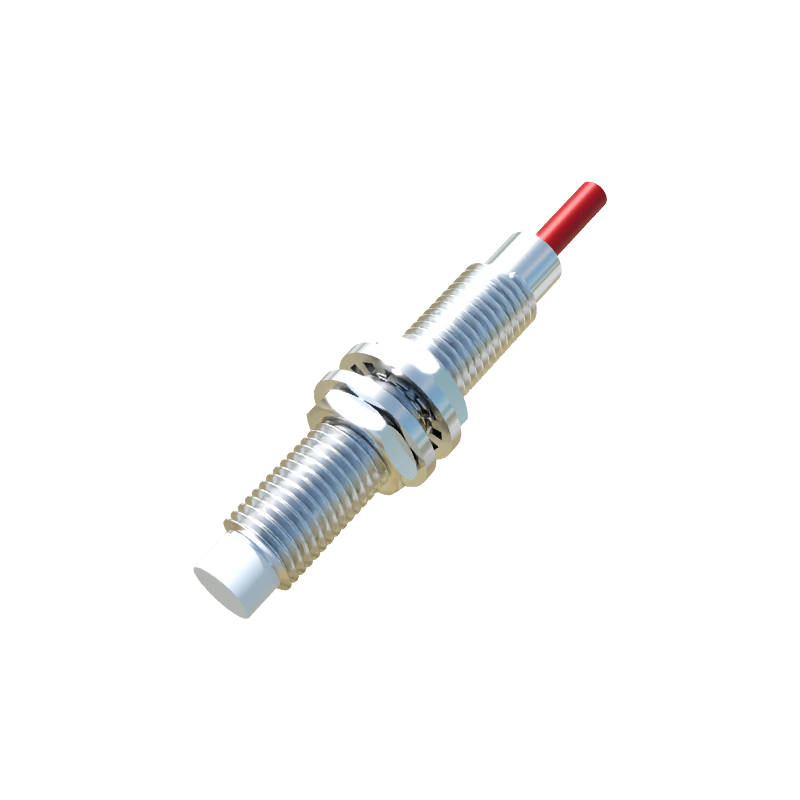
The relationship with a standard proximity sensor agent should be viewed as a strategic alliance. The best partnerships are built on transparency, with clear communication regarding pricing, lead times, and lifecycle status of products. Agents often offer value-added services like custom cable assembly, connector mating, or even basic programming of sensor parameters to save integration time. For large-scale or multi-plant deployments, they can structure blanket orders or vendor-managed inventory programs, streamlining procurement and ensuring consistency across facilities.
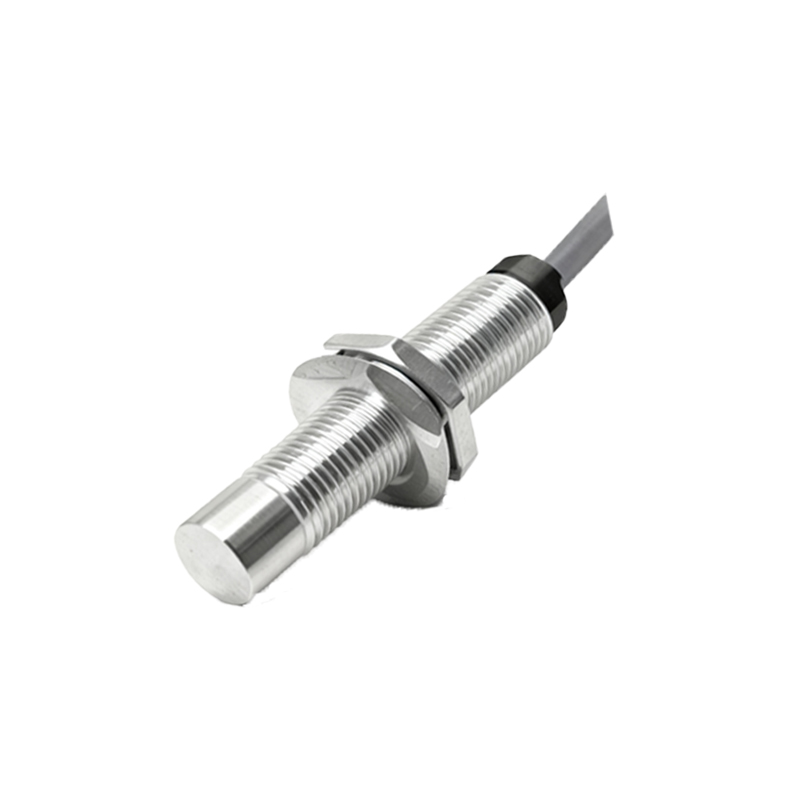
In conclusion, while the proximity sensor itself is a standardized component, the service and support wrapped around it are anything but generic. Selecting the right standard proximity sensor agent is a critical business decision that impacts operational efficiency, maintenance costs, and system uptime. Engineers and procurement professionals should prioritize agents who demonstrate proven technical acumen, robust logistical capabilities, and a commitment to partnership. In the relentless pursuit of manufacturing excellence, a knowledgeable and reliable agent is not just a supplier; they are an indispensable extension of your engineering team, empowering you to build more resilient, efficient, and intelligent automated systems.