Proximity sensors are indispensable components in modern industrial automation, robotics, and safety systems. These non-contact devices detect the presence or absence of objects within a defined sensing range, enabling precise control and monitoring. For engineers and system designers, understanding the key parameters of proximity sensors is crucial for selecting the right device for a specific application. This guide delves into the essential specifications that define sensor performance, reliability, and suitability.
The sensing range, often called the nominal range, is the primary parameter. It indicates the maximum distance at which a standard target can be reliably detected. This range is typically specified for a square metal target of a defined size (e.g., 1mm x 1mm x 1mm steel). It's vital to note that the actual sensing distance can vary based on the target material, shape, and size. For instance, ferrous metals are detected at the nominal range, while non-ferrous metals like aluminum or copper may require a reduction factor, often 0.3 to 0.8 times the stated range.
Hysteresis is another critical parameter. It is the difference between the switch-on point (when the target approaches) and the switch-off point (when the target recedes). Hysteresis prevents output oscillation or chattering when a target is positioned at the edge of the sensing range, ensuring stable switching even in the presence of vibration or minor target movement. A well-designed hysteresis value enhances system stability.
The response frequency, measured in Hertz (Hz), defines how quickly a sensor can react to targets. It represents the maximum number of detection operations per second. A high response frequency is essential for high-speed applications like counting small parts on a fast conveyor or detecting teeth on a rotating gear. Engineers must ensure the sensor's frequency exceeds the maximum expected target passage rate.
Repeatability refers to the sensor's ability to consistently detect a target at the same distance under identical conditions. It is a measure of precision and is usually expressed as a percentage of the sensing range. High repeatability is paramount in applications requiring precise positioning or dimensional checking, such as in assembly or quality control stations.
The output type is a fundamental selection criterion. Proximity sensors commonly provide digital outputs: NPN (sinking) or PNP (sourcing) transistor outputs for DC sensors, and relay or solid-state outputs for AC/DC models. The choice depends on the control system's input module (PLC, controller). Analog output sensors (4-20mA, 0-10V) are also available, providing a continuous signal proportional to the distance to the target, useful for applications like monitoring position or thickness.
Environmental ratings are non-negotiable for industrial durability. The Ingress Protection (IP) rating (e.g., IP67, IP69K) indicates the level of protection against dust and water. For harsh environments involving coolants, oils, or chemicals, sensors with high IP ratings and resistant housing materials (e.g., stainless steel, PBT plastic) are mandatory. Operating temperature range is equally important to ensure performance in extreme cold or heat.
Electrical characteristics must match the supply system. This includes the operating voltage range (e.g., 10-30V DC, 20-250V AC), current consumption, and the maximum load current the output can switch. Short-circuit and reverse polarity protection are highly desirable features that prevent damage from wiring errors.
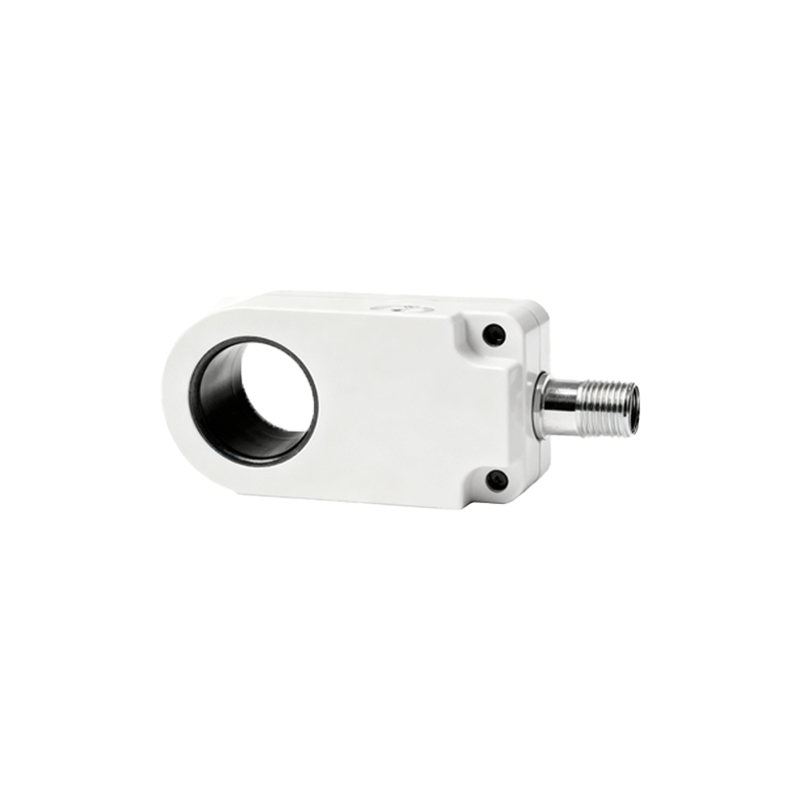
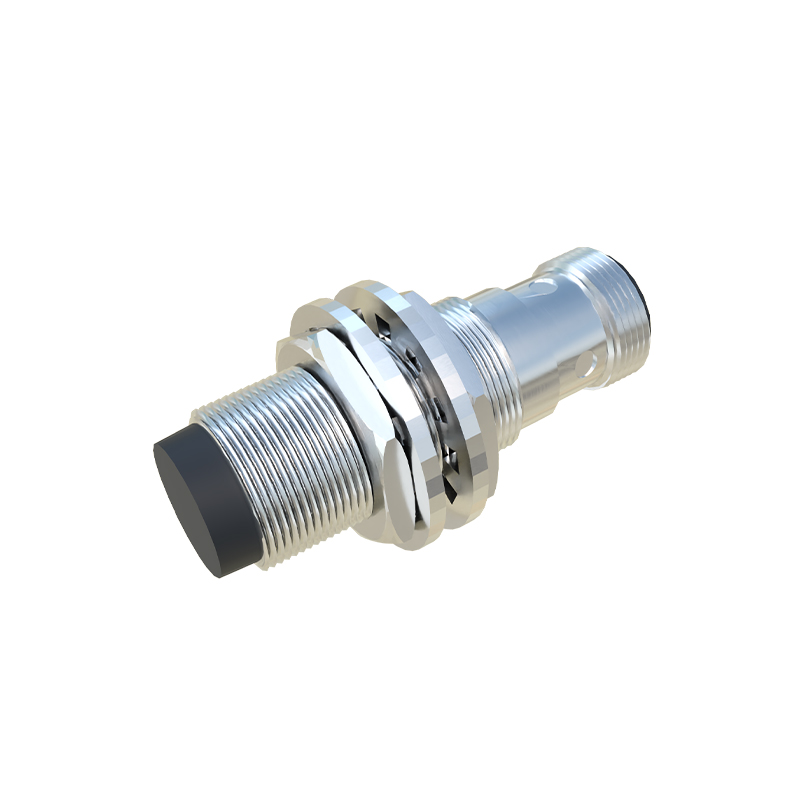
Finally, physical characteristics like housing style (cylindrical, rectangular, ring-shaped), size, and connection type (cable or connector) must be considered for mechanical integration. The choice between shielded (flush-mountable) and unshielded (non-flush mountable) types affects the installation. Shielded sensors can be mounted flush in metal without affecting their sensing field, while unshielded types offer a longer sensing range but require clearance from surrounding metal.
In conclusion, a thorough evaluation of these parameters—sensing range, hysteresis, response frequency, repeatability, output type, environmental ratings, electrical specs, and physical form—ensures the selected proximity sensor delivers optimal performance, longevity, and reliability in its intended application, forming a robust foundation for any automated system.