In the realm of industrial automation, precision and reliability are paramount. Among the myriad components that ensure seamless operations, adjustable M3 proximity sensors stand out as critical devices for detecting the presence or absence of objects without physical contact. These compact sensors, typically featuring an M3 threaded housing, are engineered to offer flexibility in sensing ranges and output configurations, making them indispensable in applications such as assembly lines, robotics, and machinery safety systems.
The core advantage of adjustable M3 proximity sensors lies in their tunability. Unlike fixed-range sensors, these devices allow engineers to fine-tune detection distances, often through potentiometers or digital interfaces, to match specific operational requirements. This adjustability mitigates issues like false triggers or missed detections, which can lead to costly downtime. For instance, in high-speed packaging systems, an M3 sensor can be calibrated to detect thin materials at precise intervals, ensuring accurate product placement and reducing waste. Additionally, many models support various output types—including NPN, PNP, and analog signals—enabling compatibility with diverse control systems like PLCs (Programmable Logic Controllers) and microcontrollers.
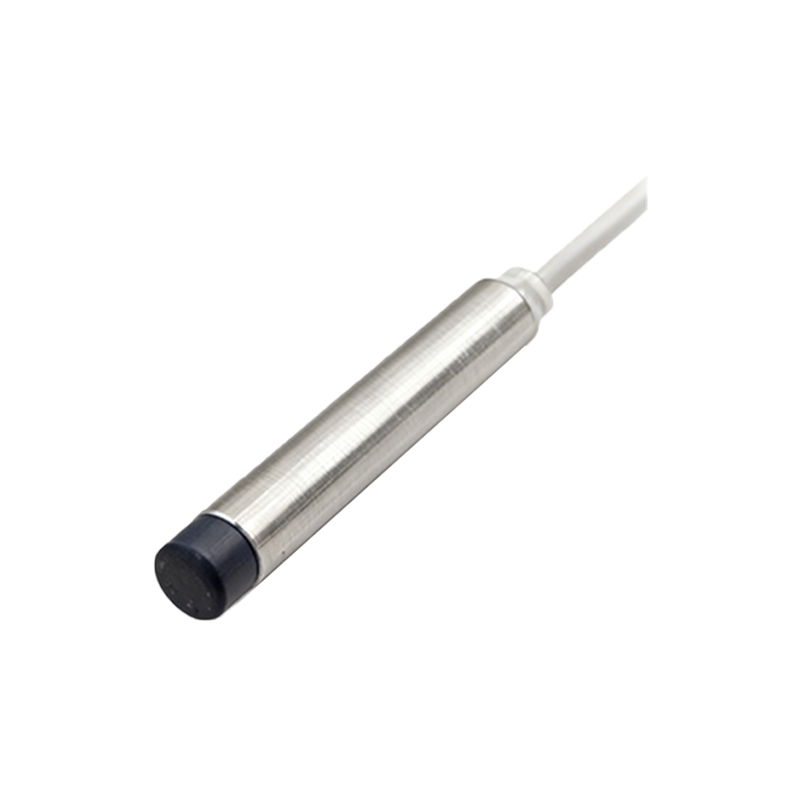
Durability is another hallmark of M3 proximity sensors. Constructed from robust materials such as stainless steel or nickel-plated brass, they withstand harsh industrial environments involving dust, moisture, and temperature fluctuations. The IP67 or higher ingress protection ratings common in these sensors ensure reliable performance in washdown areas or outdoor settings. Moreover, their compact M3 size (approximately 3mm in diameter) facilitates installation in space-constrained locations, such as within robotic grippers or on conveyor brackets, without compromising functionality.
When selecting an adjustable M3 proximity sensor, key parameters must be considered. Sensing range, typically adjustable from 1mm to 5mm for inductive models, should align with target object properties—like metal composition for inductive sensors or material opacity for capacitive variants. Response time, often in microseconds, is crucial for high-speed applications to maintain cycle efficiency. Engineers should also evaluate environmental factors; for example, in welding zones, sensors with weld-field immunity prevent interference from electromagnetic noise.
Installation and maintenance practices further optimize performance. Proper alignment between the sensor and target object minimizes detection errors, while regular calibration checks ensure long-term accuracy. Many modern M3 sensors incorporate LED indicators for real-time status monitoring, simplifying troubleshooting. In automotive manufacturing, where precision is non-negotiable, adjustable M3 sensors are deployed in brake assembly lines to verify component positioning, enhancing safety and compliance with industry standards.
Looking ahead, advancements in IoT (Internet of Things) integration are expanding the capabilities of adjustable M3 proximity sensors. Smart sensors with embedded diagnostics can transmit data to centralized systems for predictive maintenance, alerting operators to potential failures before they occur. This connectivity aligns with Industry 4.0 trends, fostering smarter, more efficient factories. As industries increasingly prioritize automation, the demand for versatile, high-performance sensors like the adjustable M3 type will continue to grow, driving innovations in miniaturization and energy efficiency.
In summary, adjustable M3 proximity sensors represent a fusion of precision engineering and adaptability. By enabling customizable detection in compact form factors, they empower industries to achieve higher accuracy, reduce operational costs, and enhance system resilience. Whether in food processing, pharmaceuticals, or automotive sectors, these sensors are pivotal to modern automation, underscoring their role as unsung heroes in the industrial landscape.