In the realm of industrial automation, proximity sensors stand as indispensable components, driving efficiency, safety, and precision across countless applications. These non-contact devices detect the presence or absence of objects within their sensing range, providing critical data to control systems without physical interaction. Their ability to operate reliably in harsh environments—amidst dust, moisture, and extreme temperatures—makes them a cornerstone of modern manufacturing, packaging, and material handling processes.
Proximity sensors are primarily categorized based on their sensing technology, with inductive, capacitive, and magnetic types being the most prevalent. Inductive proximity sensors are tailored for detecting metallic objects. They generate an electromagnetic field and react to changes caused by conductive materials, making them ideal for metal detection in machinery, such as counting gear teeth or monitoring piston positions. Their robustness and resistance to environmental interference render them suitable for heavy-duty industrial settings.
Capacitive proximity sensors, on the other hand, can detect both metallic and non-metallic materials, including liquids, plastics, and wood. By measuring changes in capacitance, they sense variations in the dielectric properties of objects. This versatility allows their use in level detection for tanks, packaging line control, and even touch-sensitive interfaces. However, they may be more susceptible to environmental factors like humidity, requiring careful calibration.
Magnetic proximity sensors, often utilizing reed switches or Hall-effect technology, respond to magnetic fields. They are commonly employed in position sensing for cylinders, door closure systems, and safety interlocks. Their simplicity and reliability in low-power applications make them a cost-effective choice for many automation tasks.
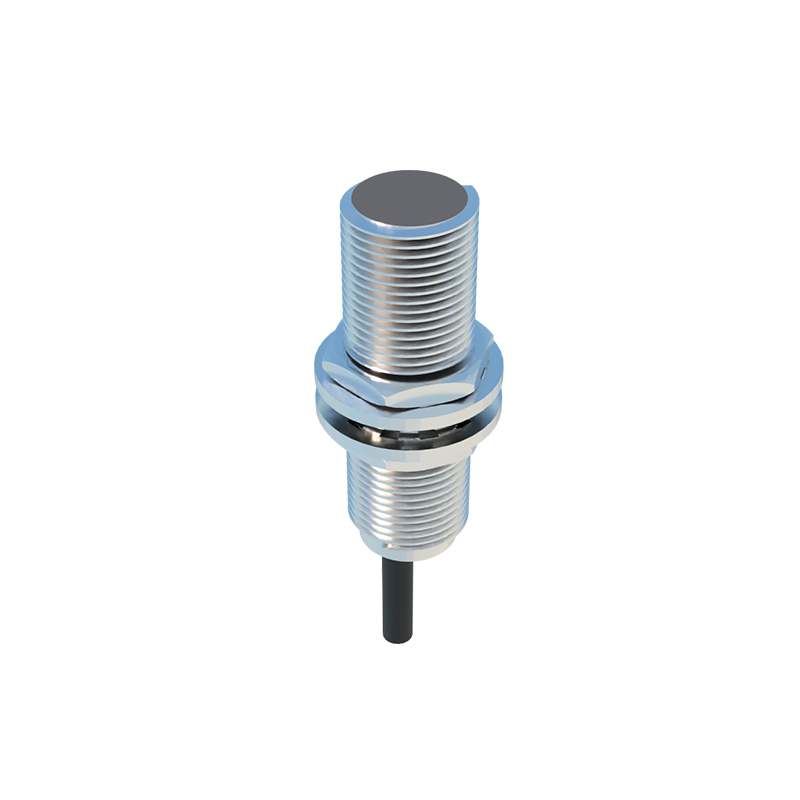
The selection of a proximity sensor hinges on several factors: the material of the target object, required sensing distance, environmental conditions, and response speed. For instance, in high-speed assembly lines, sensors with fast switching frequencies are essential to maintain throughput, while in corrosive areas, models with stainless steel housings or IP-rated enclosures ensure longevity.
Integration into control systems, such as PLCs (Programmable Logic Controllers), is seamless, with sensors providing digital or analog outputs to trigger actions like stopping a conveyor, activating a robotic arm, or signaling an alarm. This connectivity underpins the Internet of Things (IoT) in industry, enabling real-time monitoring and predictive maintenance. By detecting anomalies early—such as misaligned parts or wear—proximity sensors help prevent downtime, reduce waste, and enhance overall operational efficiency.
In summary, proximity sensors are vital enablers of industrial automation, offering non-contact detection that boosts productivity and safety. As technology advances, innovations like miniaturization, enhanced sensitivity, and smart sensor networks continue to expand their applications, solidifying their role in the future of manufacturing and beyond. For engineers and technicians, understanding their principles and proper implementation is key to optimizing automated systems.