Pneumatic proximity sensors represent a critical component in modern industrial automation, offering reliable non-contact detection in environments where electrical sensors may face limitations. These devices operate by utilizing air pressure and flow principles to sense the presence or absence of objects without physical contact, making them ideal for hazardous or demanding conditions. One prominent example is the use of pneumatic proximity sensors in explosive atmospheres, such as chemical processing plants or grain silos, where electrical sparks could pose significant risks. In these settings, sensors like the differential pressure type detect objects by measuring changes in airflow when an object interrupts a continuous air jet. This method ensures safety while maintaining high precision in detection.
Another common application is found in packaging machinery, where pneumatic sensors monitor the position of items on conveyor belts. For instance, a retro-reflective pneumatic sensor emits a focused air stream that reflects off a target; the return pressure signal confirms object presence. This setup is particularly effective in detecting lightweight or fragile items, such as empty cardboard boxes or plastic containers, which might be missed by optical sensors due to transparency or color variations. The robustness of pneumatic systems against dust, moisture, and vibration further enhances their suitability in these dynamic environments.
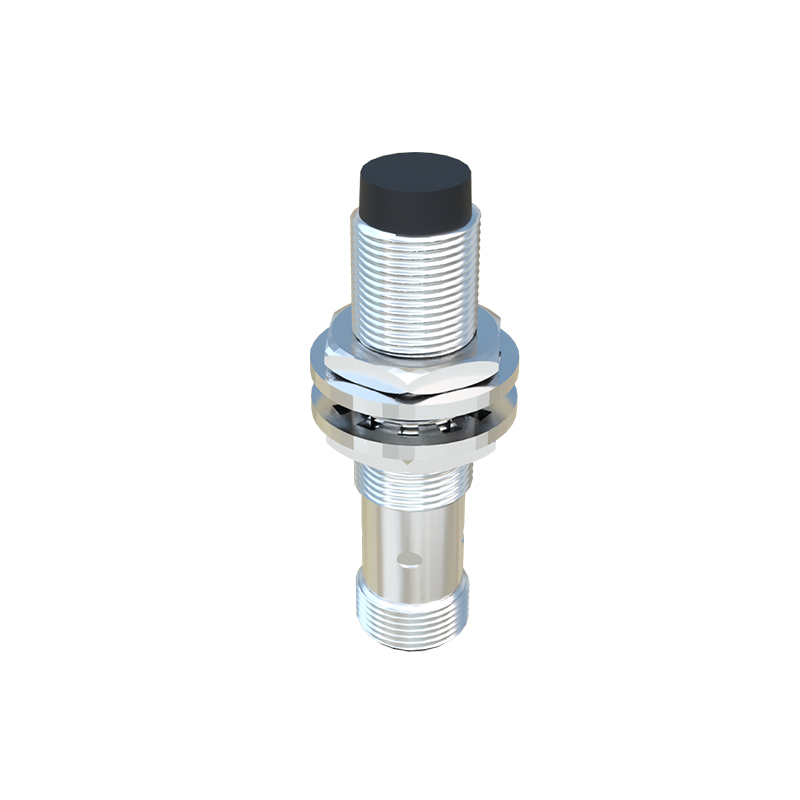
In automotive manufacturing, pneumatic proximity sensors are employed for quality control during assembly processes. A typical example involves using them to verify the correct placement of components like brake pads or engine parts. By integrating sensors with pneumatic logic circuits, systems can trigger alarms or halt production if a part is misaligned, ensuring consistency and reducing waste. The fast response time of pneumatic sensors, often in milliseconds, supports high-speed production lines without compromising accuracy.
Additionally, the food and beverage industry leverages pneumatic sensors for hygiene and reliability. In bottling plants, sensors detect bottle caps or labels without direct contact, preventing contamination. Since these sensors use clean, dry air, they meet stringent sanitary standards and resist corrosion from acidic or moist conditions. Their simple design, with few moving parts, minimizes maintenance needs and downtime, contributing to operational efficiency.
Despite advancements in electronic sensing, pneumatic proximity sensors remain indispensable due to their inherent safety, durability, and cost-effectiveness. They exemplify how traditional pneumatic technology continues to evolve, integrating with digital controls for smarter automation. As industries prioritize resilience and adaptability, these sensors will likely see expanded use in robotics, renewable energy systems, and other emerging fields, underscoring their enduring value in engineering solutions.