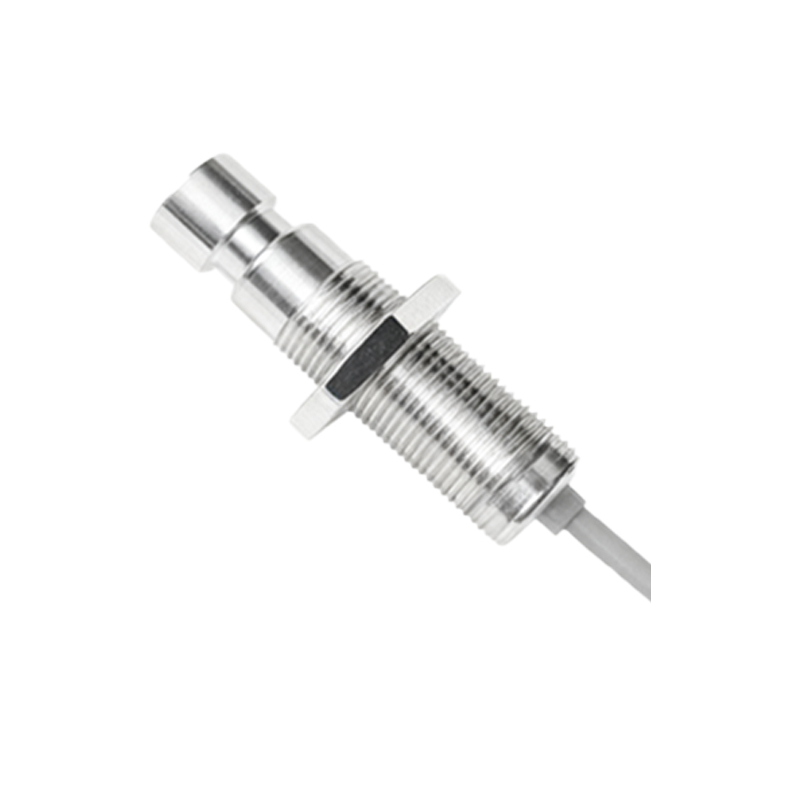
In the realm of industrial automation, DC proximity sensors are indispensable components, enabling non-contact detection of metallic objects with high precision and reliability. The manufacturing process of these sensors is a sophisticated blend of electrical engineering, materials science, and stringent quality control, tailored to meet diverse industrial demands. This article delves into the key stages of production, technological considerations, and industry standards that define modern DC proximity sensor manufacturing.
The production begins with the design and development phase, where engineers specify parameters such as sensing range, output type (NPN or PNP), supply voltage (typically 10-30V DC), and housing material. Advanced simulation software is used to model electromagnetic fields and optimize coil design, ensuring consistent detection performance. The core component, the oscillator circuit, is meticulously designed to generate a high-frequency electromagnetic field. When a metallic target enters this field, eddy currents are induced, causing a change in oscillation amplitude, which is then processed by the subsequent circuitry to trigger an output signal.
Component selection is critical. High-grade ferrite cores, copper windings, and robust ICs (Integrated Circuits) are sourced from certified suppliers. The housing, often made of nickel-plated brass, stainless steel, or PBT plastic, must provide IP67 or higher ingress protection to withstand harsh environments like dust, moisture, and mechanical shocks. Automated assembly lines are employed to ensure precision: coils are wound and potted with epoxy resin for stability, PCBs (Printed Circuit Boards) are populated with SMT (Surface Mount Technology) components, and laser welding seals the housing hermetically.
Calibration and testing form the backbone of quality assurance. Each sensor undergoes rigorous checks for sensitivity, repeatability, and temperature stability (-25°C to 70°C range). Environmental tests, including vibration and EMC (Electromagnetic Compatibility) assessments, ensure compliance with international standards such as IEC 60947-5-2. Manufacturers also implement traceability systems, logging data from each production batch to facilitate recalls or improvements if needed.
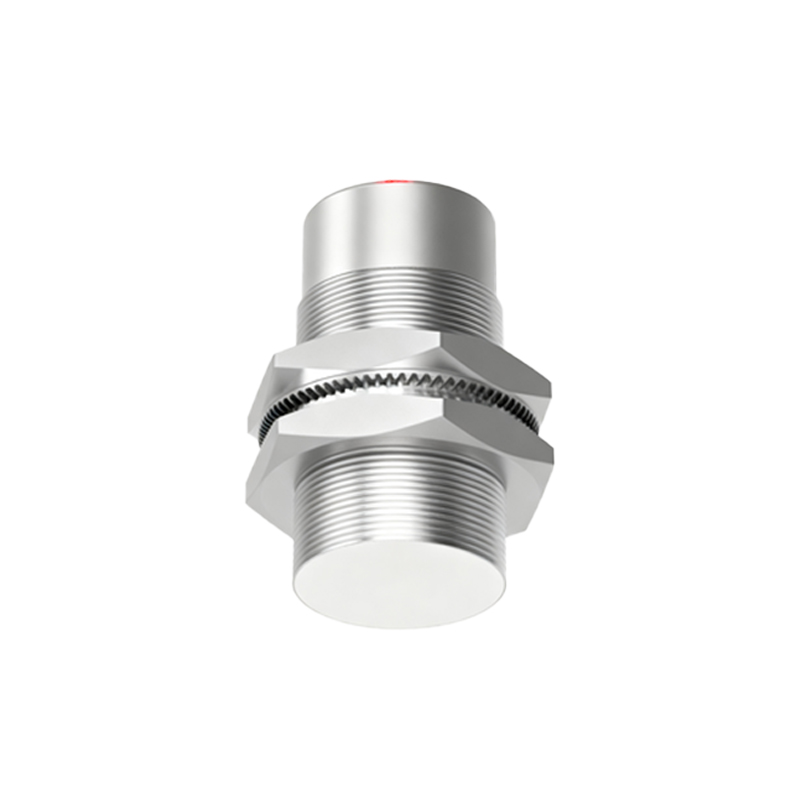
Industry trends are shaping future manufacturing. The rise of Industry 4.0 has spurred demand for smart sensors with IO-Link communication, enabling real-time diagnostics and predictive maintenance. Miniaturization is another key focus, with sensors now as small as M5 threads being produced for compact machinery. Energy efficiency is also prioritized, with low-power designs extending battery life in mobile applications. Additionally, sustainability initiatives are driving the use of recyclable materials and lead-free soldering processes.
Challenges persist, including supply chain disruptions for semiconductors and the need for skilled technicians to oversee automated lines. However, innovations in AI-driven quality inspection and modular design are helping manufacturers enhance throughput and flexibility. Ultimately, the goal is to deliver sensors that offer longevity—often rated for over 10 million operations—and seamless integration into automated systems, from conveyor belts to robotic arms.
In conclusion, manufacturing DC proximity sensors is a precision-driven endeavor that balances technical expertise with industrial robustness. By adhering to strict protocols and embracing technological advancements, producers ensure these devices remain vital for safety, efficiency, and automation across sectors like automotive, packaging, and material handling. As industries evolve, so too will sensor manufacturing, continuing to push the boundaries of reliability and innovation.