In the realm of industrial automation and smart device design, proximity sensors stand as silent sentinels, enabling machines to perceive their environment without physical contact. These devices detect the presence or absence of an object within a defined range, triggering a control signal. Their non-contact nature makes them ideal for harsh environments, high-speed applications, and scenarios where avoiding mechanical wear is paramount.
The operational principle varies by type, but the core function remains consistent: to sense and report. The most prevalent technologies include Inductive, Capacitive, Ultrasonic, and Photoelectric sensors. Inductive proximity sensors are the workhorses of metal detection. They generate an electromagnetic field. When a metallic object enters this field, it induces eddy currents within the target, causing a change in the sensor's oscillation amplitude. This change is detected and converted into a switching signal. Their robustness makes them perfect for machine tools, automotive assembly lines, and robotic arms handling metal components. They are largely unaffected by non-metallic substances like dust, oil, or water.
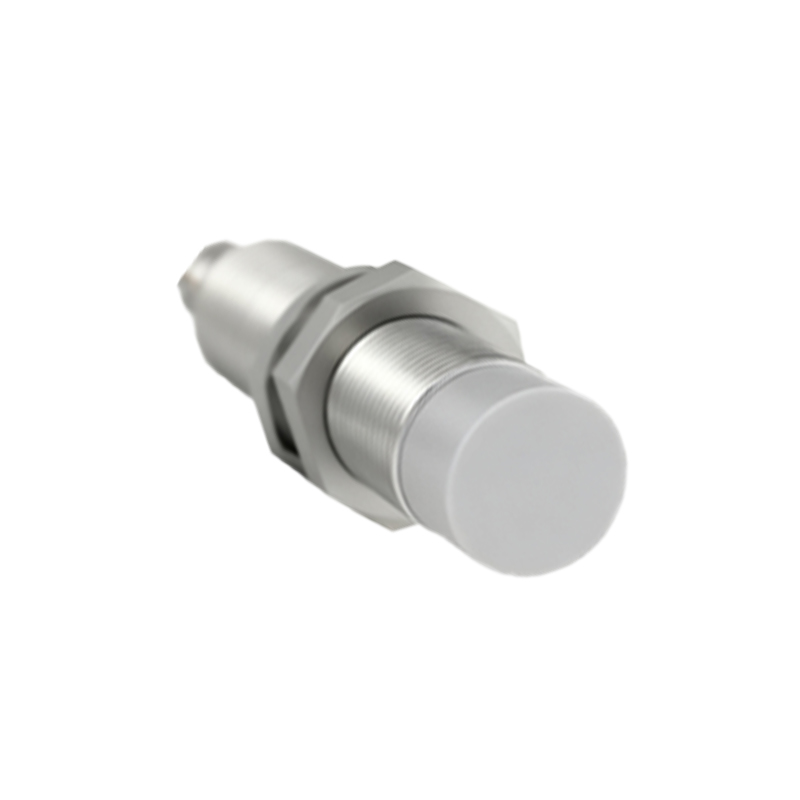
Capacitive proximity sensors, on the other hand, can detect both metallic and non-metallic materials—liquids, plastics, wood, or granules. They function by generating an electrostatic field. Any object with a dielectric constant different from air will alter the capacitance of the sensing circuit, triggering detection. This makes them invaluable in level detection for tanks (liquid or powder), material handling for plastics, and even detecting the presence of glass or cardboard. They can sometimes be sensitive to environmental factors like humidity, which must be considered during installation.
For longer ranges and more complex detection tasks, ultrasonic sensors emit high-frequency sound waves and measure the time taken for the echo to return. They excel at distance measurement, presence detection of virtually any material (regardless of color or transparency), and level sensing in challenging conditions with vapor or dust. You'll find them in parking assistance systems, automated warehousing for pallet detection, and liquid level control in chemical tanks.
Photoelectric sensors use a beam of light (visible, infrared, or laser) to detect objects. They come in several configurations: through-beam (separate emitter and receiver), retro-reflective (bounces light off a reflector), and diffuse (reflects light off the target itself). They offer very long sensing ranges and high precision, capable of detecting tiny objects or differences in color and surface finish. Applications span from packaging lines and conveyor belt object counting to security systems and print registration in presses.
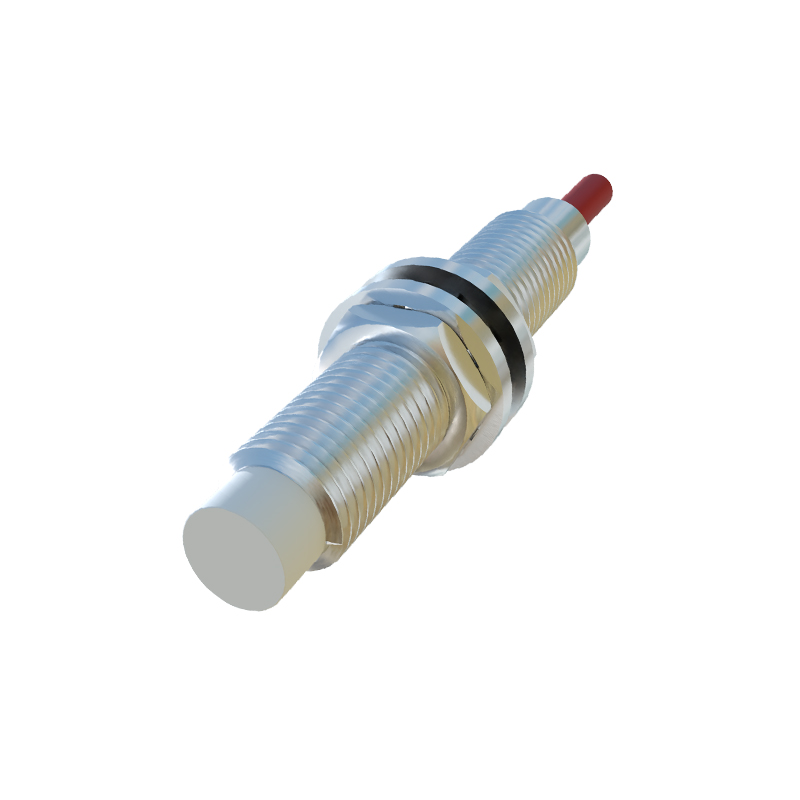
Selecting the right proximity sensor requires a careful analysis of several key parameters. First, define the target material: metal, plastic, liquid, etc. This immediately narrows down the technology choice—inductive for metals, capacitive for a broader range. Second, consider the required sensing distance or range. Nominal sensing distance (Sn) is specified under ideal conditions; a safety factor is always recommended in real-world designs. The operating environment is critical: will the sensor face extreme temperatures, washdown conditions, corrosive chemicals, or heavy vibration? Ingress Protection (IP) ratings and housing material (e.g., stainless steel, PBT plastic) must match these conditions.
Electrical characteristics are equally important. Most industrial sensors provide a digital output (PNP/NPN for DC, NO/NC contacts). Ensure the output type, voltage rating, and current capacity are compatible with your controller (PLC, microcontroller). Response time, the speed at which the sensor reacts, is vital for high-speed production lines. Finally, physical form factor—barrel-shaped, rectangular, or ring-shaped—must suit the mechanical mounting constraints.
The evolution of Industry 4.0 and the Industrial Internet of Things (IIoT) is pushing proximity sensors toward greater intelligence. Modern sensors now incorporate IO-Link communication, a point-to-point serial protocol that goes beyond simple switching. IO-Link enables parameter setting, real-time process data monitoring (like exact distance values), and advanced diagnostics (temperature, signal strength) directly from the sensor. This facilitates predictive maintenance, remote configuration, and seamless integration into digital twin models, reducing downtime and optimizing processes.
From ensuring a robotic gripper has securely picked up a part to preventing a press from operating without a workpiece in place, proximity sensors are fundamental to safety, efficiency, and precision in automation. Their continued development promises even smaller sizes, higher accuracy, and deeper data integration, solidifying their role as the essential "touchless" interface between the physical and control worlds.