In the specialized and demanding field of hyperbaric oxygen therapy (HBOT), the integrity of the pressure vessel—the hyperbaric chamber—is paramount. Within this controlled, high-pressure environment, the role of proximity sensors transcends simple automation; they become critical guardians of patient safety, operational precision, and system reliability. As an electrical engineer with extensive experience in industrial control systems for critical environments, I will delve into the technical considerations, selection criteria, and application nuances of proximity sensors in hyperbaric oxygen chambers.
Hyperbaric chambers, whether monoplace (single-person) or multiplace, are sophisticated pressure vessels designed to administer 100% oxygen at pressures greater than atmospheric pressure. The internal environment is uniquely challenging: it is oxygen-rich, pressurized (typically up to 3 ATA or higher for therapeutic purposes), and requires absolute reliability. Any spark, malfunction, or failure could have severe consequences. This is where the choice of proximity sensor becomes a non-negotiable engineering decision.
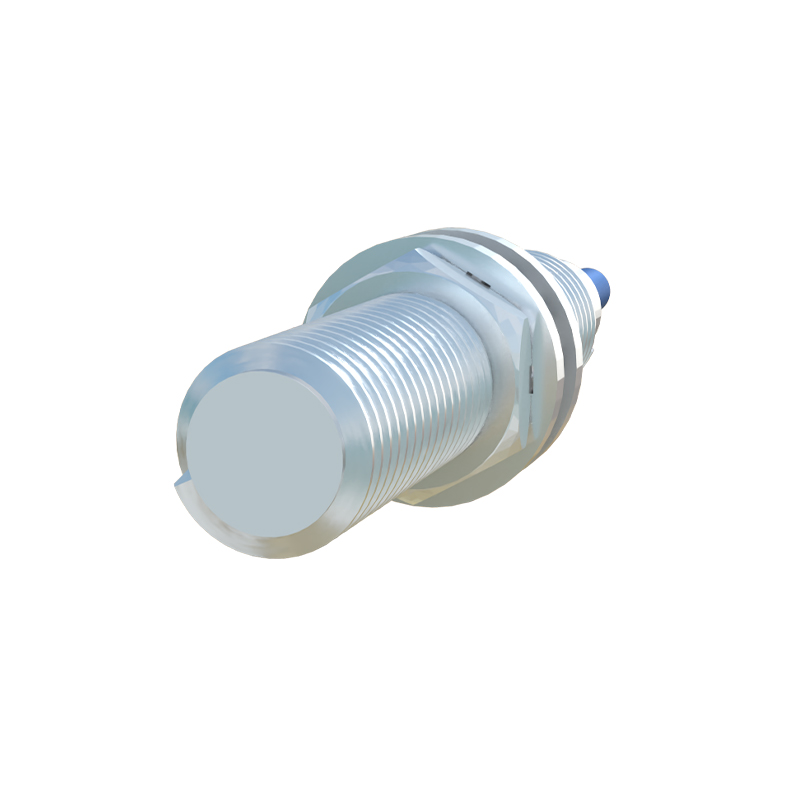
The primary functions of proximity sensors in an HBOT system are diverse. They are employed for door interlock and status monitoring, ensuring the massive chamber door is securely closed and sealed before pressurization commences. Sensors monitor the position of internal components, such as sliding berths or equipment trays. In more advanced systems, they can provide feedback for automated environmental control systems. However, the core challenge lies in the operating conditions.
The first and foremost consideration is intrinsic safety and explosion-proof certification. A hyperbaric chamber during treatment is classified as a Class I, Division 1, Group B hazardous location according to NEC and similar international standards (like ATEX/IECEx). Group B is specifically for atmospheres containing hydrogen or gases/vapors of equivalent hazard. While the chamber is filled with pure oxygen, not a mixed explosive gas, the extreme oxidant potential makes any ignition risk catastrophic. Therefore, sensors must be certified for such environments. Intrinsically safe (IS) designs are often preferred. These sensors operate with energy levels too low to ignite the atmosphere, even under fault conditions. The associated barriers or isolators must be correctly specified in the control circuit.
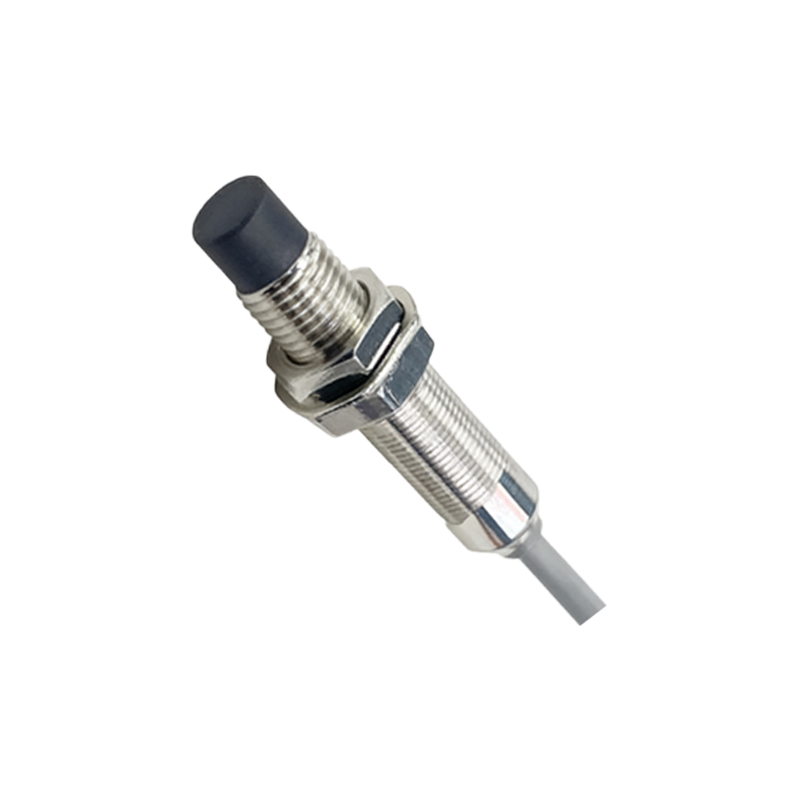
Material compatibility is the second critical pillar. All sensor components exposed to the chamber atmosphere—the sensing face, housing, and seals—must be constructed of oxygen-compatible materials. Standard industrial sensors often use elastomers or plastics that can become highly flammable or react dangerously in high-pressure oxygen. Approved materials include certain grades of stainless steel (e.g., 316L), nickel alloys, and specially formulated, oxygen-compatible polymers like PTFE (Teflon) for seals. Lubricants must be non-hydrocarbon based. Ingress protection is also vital; a rating of at least IP67 is standard to withstand cleaning and condensation.
From a technical performance perspective, the sensor type must be selected based on the target. For detecting the metallic door latch or structural components, shielded inductive proximity sensors are the workhorse. Their robust, solid-state design (no moving parts) is ideal. However, the sensing range may be slightly reduced in a dense, pressurized atmosphere, a factor that must be accounted for during design. For non-metallic targets, such as a composite panel or a specific component, capacitive sensors might be necessary, though their application inside the chamber is less common due to potential sensitivity shifts with environmental changes.
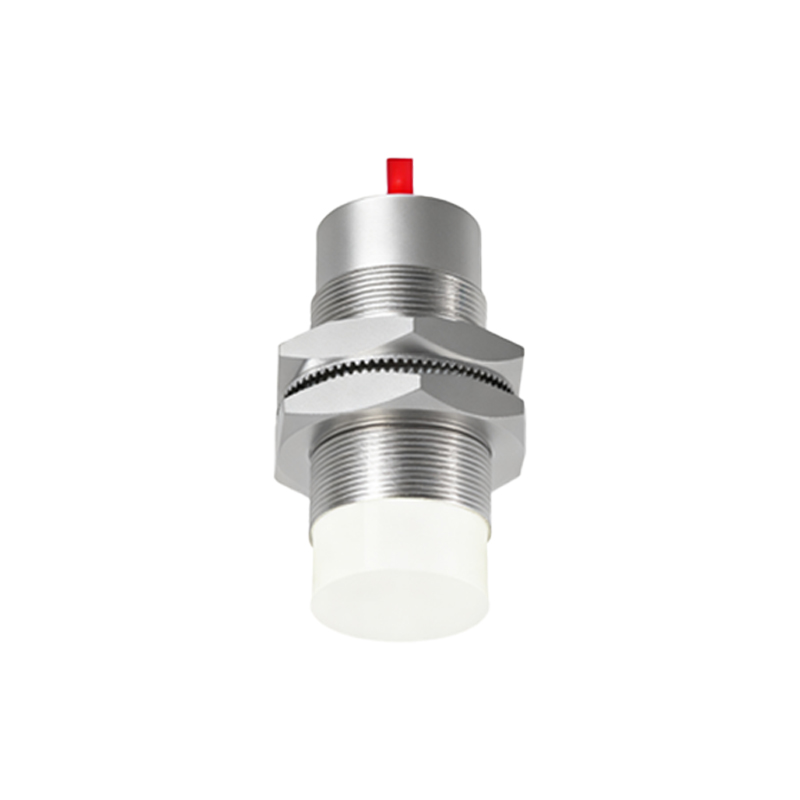
Installation and maintenance practices are equally crucial. Sensors should be mounted in a manner that minimizes exposure to direct physical impact from moving equipment inside the chamber. Conduit and cable entries must maintain the chamber's pressure integrity, using certified pressure bulkhead fittings. Any maintenance procedure must follow strict lock-out/tag-out (LOTO) protocols and be performed by qualified personnel. Regular functional testing, as part of the chamber's preventative maintenance schedule, is essential to verify sensor operation.
In conclusion, specifying a proximity sensor for a hyperbaric oxygen chamber is not a matter of selecting a catalog part. It is a systems engineering exercise that balances stringent safety certifications, rigorous material science, precise functional requirements, and diligent installation practices. The sensor is a silent, vigilant component in a life-critical system. Its failure is not an option. By adhering to the principles of intrinsic safety, material compatibility, and robust design, engineers can ensure these devices contribute reliably to the therapeutic mission of the HBOT facility, safeguarding patients and enabling the advanced medical benefits of hyperbaric oxygen therapy.