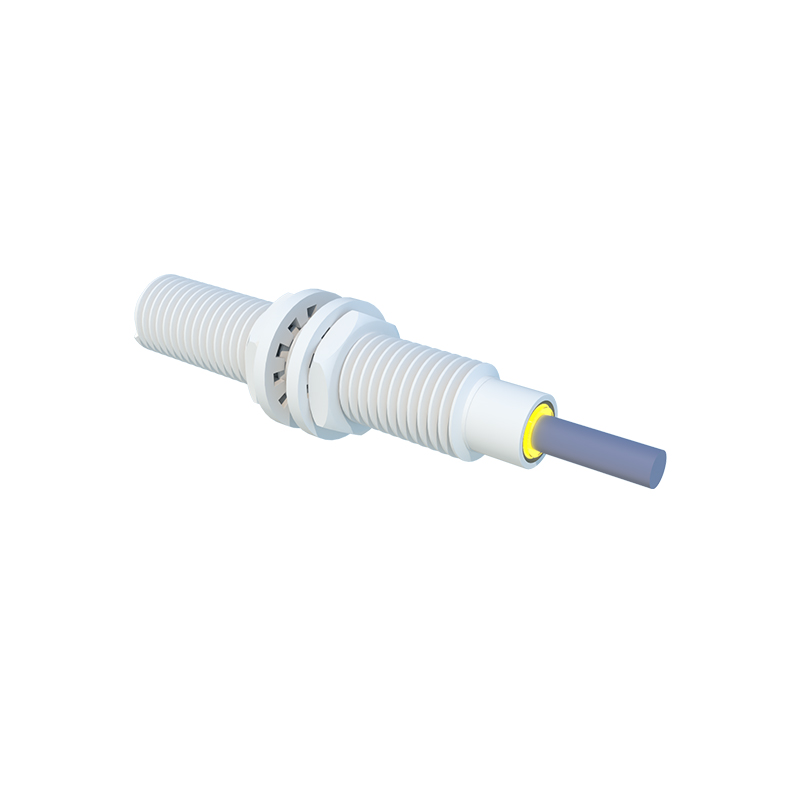
In the realm of industrial automation and control systems, proximity sensors are indispensable components. These non-contact sensing devices detect the presence or absence of an object within a specified range without any physical contact. Their ability to operate reliably in harsh environments, provide high-speed response, and offer long service life makes them a cornerstone of modern manufacturing, packaging, robotics, and automotive assembly lines. This article delves into the common types of proximity sensors, their operating principles, typical applications, and key factors for selection.
The most prevalent type is the Inductive Proximity Sensor. These sensors generate an electromagnetic field and detect the eddy current losses caused when a metallic target enters this field. They are exclusively used for detecting ferrous and non-ferrous metals. Key advantages include high switching frequency, robustness against dirt, dust, and moisture (often rated IP67 or higher), and insensitivity to non-metallic materials. Common applications include detecting the position of metal parts on a conveyor, counting metallic objects, and as end-position sensors in cylinders. Sub-types include shielded (flush-mountable) and unshielded versions, with the former having a shorter sensing range but allowing side-by-side mounting without interference.
Capacitive Proximity Sensors operate by generating an electrostatic field. They can detect both metallic and non-metallic materials such as liquids, plastics, wood, glass, and granular substances. The sensor detects a change in capacitance when the target object, acting as a dielectric, enters the sensing field. This versatility makes them ideal for applications like level detection in tanks (liquid or solid), presence detection of plastic bottles or cardboard boxes, and monitoring material composition. However, they can be more susceptible to environmental factors like humidity.
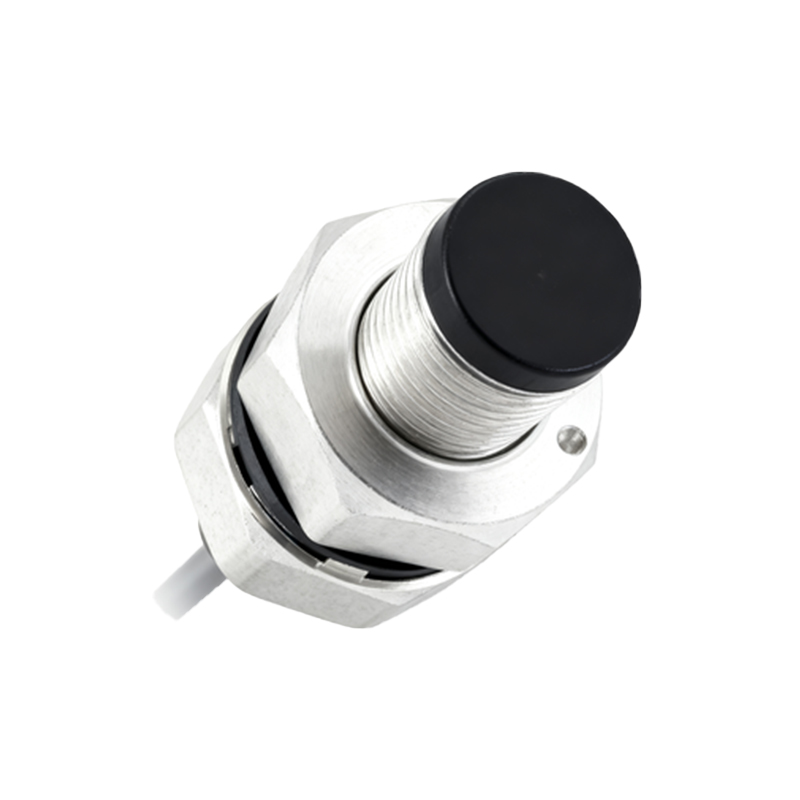
Ultrasonic Proximity Sensors utilize sound waves beyond the human hearing range. They emit ultrasonic pulses and measure the time taken for the echo to return from a target object. This principle allows them to detect objects regardless of material, color, or transparency. They are excellent for distance measurement, level sensing of bulk materials or liquids, and detecting clear objects like glass bottles where optical sensors might fail. Limitations include potential interference from temperature gradients, air turbulence, and soft materials that absorb sound.
Magnetic Proximity Sensors, often called reed switches or Hall-effect sensors, detect the presence of a magnetic field, typically from a permanent magnet attached to a moving part. Reed switches use hermetically sealed ferromagnetic reeds, while Hall-effect sensors use semiconductor technology. They are extremely reliable for detecting the position of cylinders (with built-in magnets), doors, and safety guards. Their simple design allows for very small sizes and low power consumption.
Photoelectric Sensors, while sometimes categorized separately, function as proximity sensors in their diffuse (reflective) mode. They emit a beam of light (visible red, infrared, or laser) and detect the light reflected from the target object. They offer the longest sensing ranges among non-contact sensors and can detect virtually any material. Variants include through-beam (separate emitter and receiver) and retro-reflective models for even more reliable long-range detection.
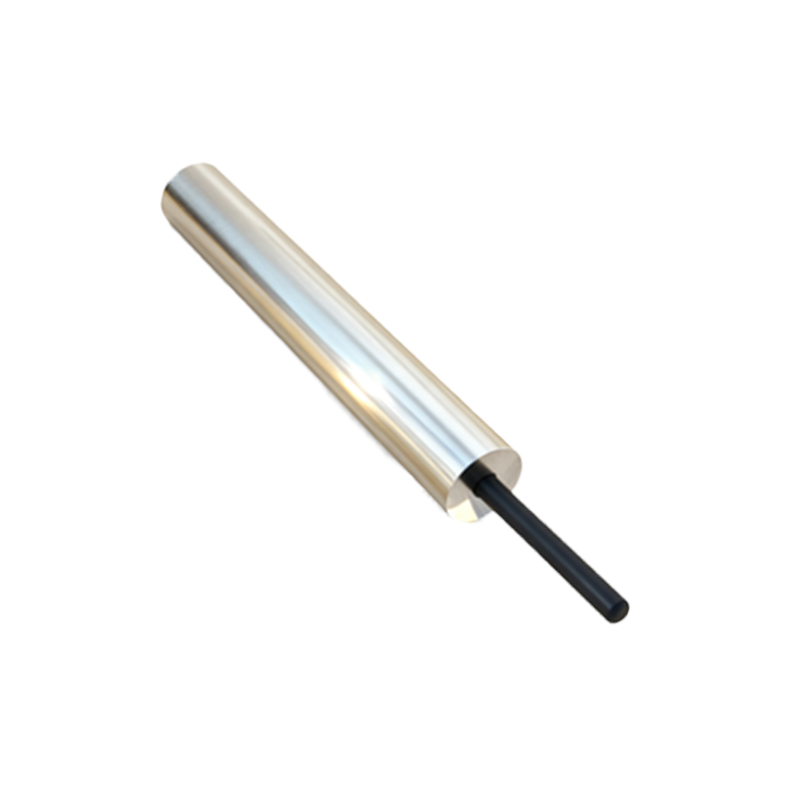
Selecting the appropriate proximity sensor requires careful consideration of several parameters. First, the Target Material dictates the sensor type: inductive for metals, capacitive for diverse materials, ultrasonic for challenging surfaces. The Sensing Distance (rated and practical) must be chosen with a safety margin, typically 70-80% of the nominal value. Output Configuration is critical: PNP (sourcing) or NPN (sinking) transistor outputs, NO (normally open) or NC (normally closed) contacts, and analog outputs for distance-proportional signals. The Electrical Requirements include supply voltage (commonly 10-30V DC or 90-250V AC) and current load. Environmental Conditions such as temperature extremes, washdown requirements (IP69K), exposure to chemicals, or welding spatter necessitate specific housing materials (stainless steel, PTFE) and ingress protection ratings. Finally, Physical Characteristics like housing shape (barrel, rectangular), size, and connection type (pre-wired, quick-disconnect) must suit the mechanical installation.
In conclusion, the correct application of proximity sensors significantly enhances system reliability, efficiency, and safety. Understanding the fundamental principles and distinctions between inductive, capacitive, ultrasonic, magnetic, and photoelectric types is the first step. A meticulous selection process focusing on the target, environment, and electrical interface ensures optimal performance, minimizes downtime, and contributes to a robust and intelligent automation solution. As technology advances, sensors continue to evolve with features like IO-Link communication for diagnostics and parameterization, further solidifying their role as the essential "touchless eyes" of industry.