In industrial automation and electronic control systems, proximity sensors play a critical role in detecting the presence or absence of objects without physical contact. One key performance parameter that engineers must evaluate is the baseline noise level, often referred to as the normal noise floor. This value represents the inherent electrical noise generated by the sensor in the absence of a target object, and it directly impacts detection reliability, accuracy, and system stability.
Typically, the baseline noise value is measured in millivolts (mV) or microvolts (µV) for analog output sensors, while digital sensors may express noise in terms of signal fluctuation or error rates. For inductive and capacitive proximity sensors, the noise floor is influenced by factors such as power supply quality, environmental electromagnetic interference (EMI), sensor design, and internal circuitry. A well-designed sensor should maintain a low and stable noise floor under specified operating conditions.
In practice, normal baseline noise values vary depending on sensor type and application. For instance, standard inductive proximity sensors operating at 12-24V DC might exhibit noise levels below 50mV peak-to-peak in a controlled environment. High-precision models used in sensitive applications, such as semiconductor manufacturing or medical devices, often feature noise floors under 10mV. Capacitive sensors, due to their sensitivity to environmental changes, may have slightly higher baseline noise, but advanced shielding and filtering techniques can mitigate this.
Excessive noise can lead to false triggering, reduced detection range, or signal instability. Engineers should verify that the sensor's noise floor remains within the manufacturer's specified limits, which are usually provided in datasheets. Factors like temperature fluctuations, vibration, and nearby high-frequency equipment can elevate noise levels. Therefore, during installation, it is essential to ensure proper grounding, use shielded cables, and maintain adequate distance from noise sources.
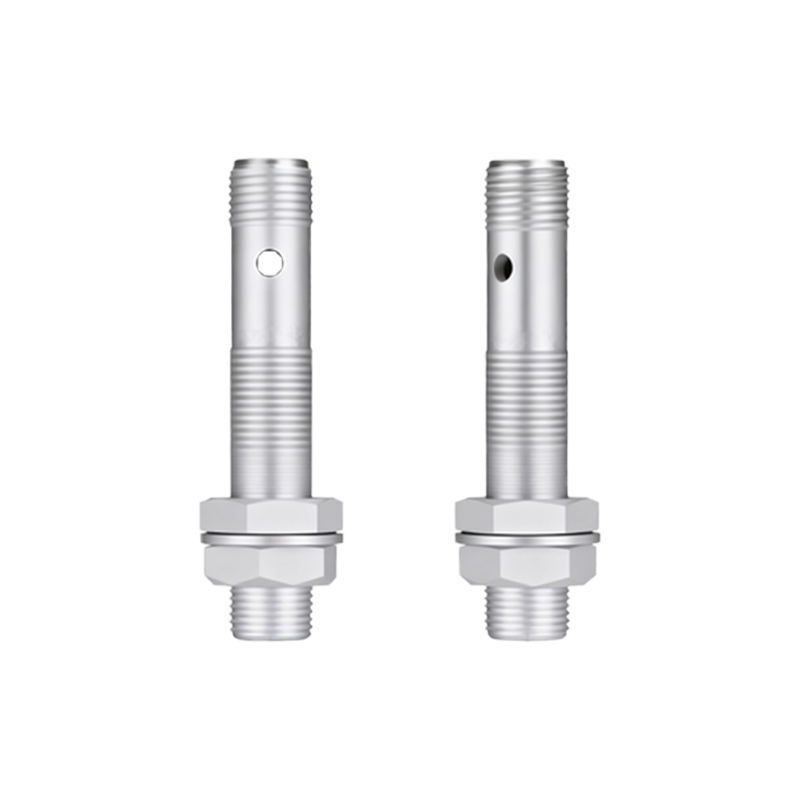
Regular calibration and maintenance help monitor baseline noise over time. If noise exceeds normal thresholds, troubleshooting steps include checking power supply ripple, inspecting cable integrity, and evaluating environmental interference. In some cases, integrating low-pass filters or selecting sensors with built-in noise suppression features can enhance performance.
Understanding and managing baseline noise is crucial for optimizing sensor reliability. By adhering to technical specifications and implementing best practices, engineers can ensure that proximity sensors operate with minimal noise, thereby improving overall system efficiency and longevity.