In the realm of industrial automation and control systems, proximity sensors stand as fundamental components, enabling machines to "sense" the presence or absence of objects without physical contact. Their reliability, speed, and non-contact operation make them indispensable for tasks ranging from simple object detection to complex positioning and safety monitoring. This article delves into the core principles, primary types, key applications, and essential selection factors for proximity sensors in modern engineering.
At its core, a proximity sensor detects the presence of a nearby object, typically referred to as the "target." It does this by emitting an electromagnetic field or a beam of electromagnetic radiation (like infrared light) and then looking for changes in the field or return signal. The absence of physical contact eliminates mechanical wear and tear, allowing for high-speed operation and long service life, even in harsh industrial environments.
The most common types of proximity sensors are categorized by their underlying sensing technology:
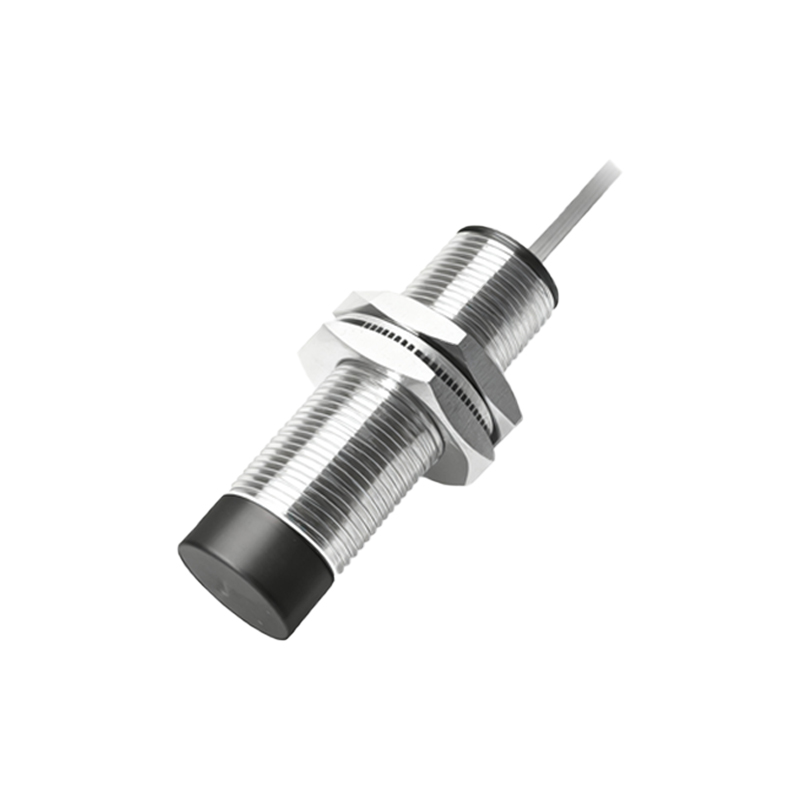
1. Inductive Proximity Sensors: These sensors generate an oscillating electromagnetic field. When a metallic target (ferrous or non-ferrous) enters this field, it induces eddy currents within the target, causing a change in the sensor's oscillation amplitude. This change triggers the sensor's output switch. Inductive sensors are robust, immune to environmental factors like dust or oil, and are exclusively used for detecting metals. Typical sensing ranges vary from a few millimeters to about 60 mm.
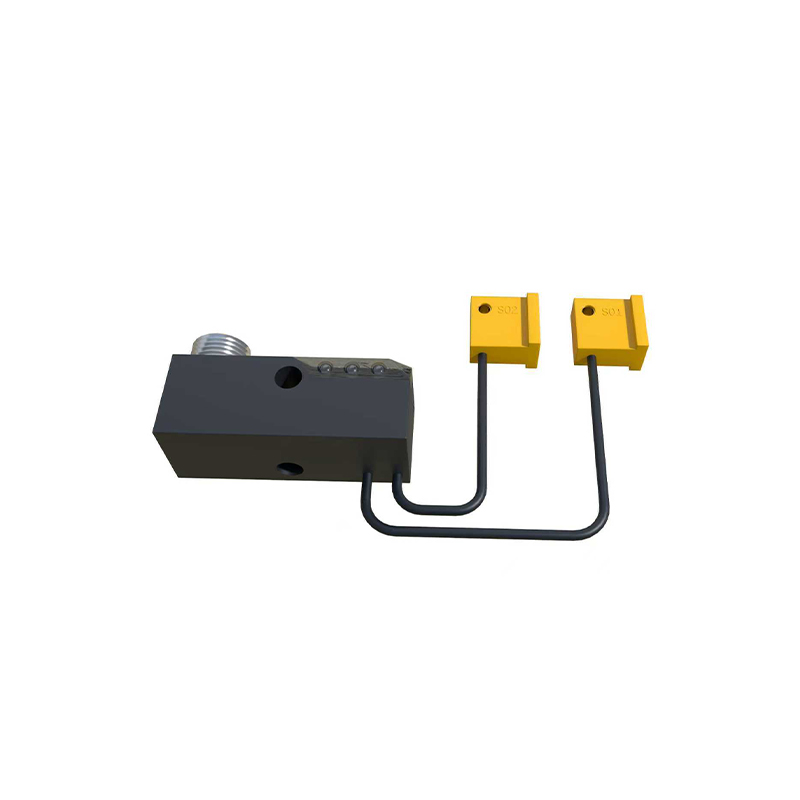
2. Capacitive Proximity Sensors: These sensors can detect both metallic and non-metallic objects (liquids, plastics, wood, etc.) by measuring changes in capacitance. The sensor forms one plate of a capacitor, the target acts as the other plate, and the air gap is the dielectric. As a target approaches, the capacitance increases, and once it reaches a threshold, the sensor activates. They are ideal for level detection of materials inside non-metallic containers or for detecting materials through thin barriers.
3. Ultrasonic Proximity Sensors: These sensors work on the principle of echolocation. They emit high-frequency sound waves and evaluate the echo reflected back from a target. By calculating the time interval between sending the signal and receiving the echo, the sensor can determine the distance to the object. Ultrasonic sensors are excellent for detecting objects of any material, shape, or color, and are effective in environments with dust, smoke, or mist. They offer longer sensing ranges compared to inductive or capacitive types.
4. Photoelectric Sensors: While often considered a separate category, they function as proximity sensors. They consist of a light emitter (usually LED) and a receiver. In the diffuse (proximity) mode, the sensor detects light reflected directly from the target. Photoelectric sensors offer very long ranges and can detect virtually any material, but their performance can be affected by target color, reflectivity, and environmental contaminants like dirt.
Key Applications in Industry:
Proximity sensors are the workhorses of automation. Common applications include:
Position Sensing: Verifying the position of machine parts, cylinders, or robotic arms.
Object Counting: Counting products on a conveyor belt or items passing through a gate.
End-of-Travel Detection: Limiting the movement of automated slides or actuators.
Level Control: Detecting the presence or absence of material in hoppers, tanks, or silos.
Safety: Used as part of safety interlock systems to ensure guards are in place before machine operation.
Speed Monitoring: Detecting the teeth of a gear or marks on a rotating shaft to calculate RPM.
Critical Selection Criteria:
Choosing the right proximity sensor is paramount for system reliability. Engineers must consider:
Target Material: Metal detection calls for inductive sensors; for all other materials, capacitive, ultrasonic, or photoelectric sensors are suitable.
Sensing Distance: The required nominal sensing range (Sn) and the need for a safety factor. The actual installation must account for temperature variations and supply voltage tolerances.
Output Type: Digital (PNP/NPN) or analog (4-20 mA, 0-10 V) outputs to interface with PLCs (Programmable Logic Controllers) or other control systems.
Environmental Conditions: Factors such as temperature extremes, presence of chemicals, washdown requirements (IP rating), and electrical noise susceptibility.
Physical Size and Mounting: The sensor must fit the mechanical design, considering flush or non-flush mounting for inductive types.
Response Time and Switching Frequency: How quickly the sensor can detect an object and reset, critical for high-speed production lines.
In conclusion, proximity sensors are vital enablers of efficient, safe, and intelligent automation. A deep understanding of their operating principles, types, and application