In the rapidly evolving landscape of industrial automation and smart device integration, proximity sensing technology stands as a critical component. Among the various solutions available, the S10 Proximity Light Sensor has emerged as a reliable and versatile option for engineers across multiple sectors. This article delves into the technical specifications, operational principles, and practical applications of the S10 sensor, providing a detailed overview for professionals in the electrical and electronics engineering fields.
The S10 Proximity Light Sensor operates on the fundamental principle of modulated infrared light detection. It typically consists of an infrared LED emitter and a photodiode or phototransistor receiver, housed within a compact, robust casing designed for industrial environments. The core functionality involves the emitter projecting an invisible beam of infrared light. When an object enters the sensor's defined detection range, it reflects a portion of this light back to the receiver. The onboard circuitry then processes this reflected signal to determine the presence or absence of the object. Unlike simple on/off detection, many S10 models are capable of analog output, providing data proportional to the distance or reflectivity of the target, which is invaluable for more complex control systems.
A key technical advantage of the S10 series is its immunity to ambient light interference. Through sophisticated modulation techniques—where the emitted light is pulsed at a specific high frequency—the sensor's receiver is tuned to recognize only this frequency. This design effectively filters out constant or slowly changing ambient light from sources like sunlight or room lighting, ensuring stable and accurate readings even in challenging environmental conditions. The sensing range of the S10 can vary by model but commonly spans from a few millimeters up to several centimeters, making it suitable for precise short-range applications.
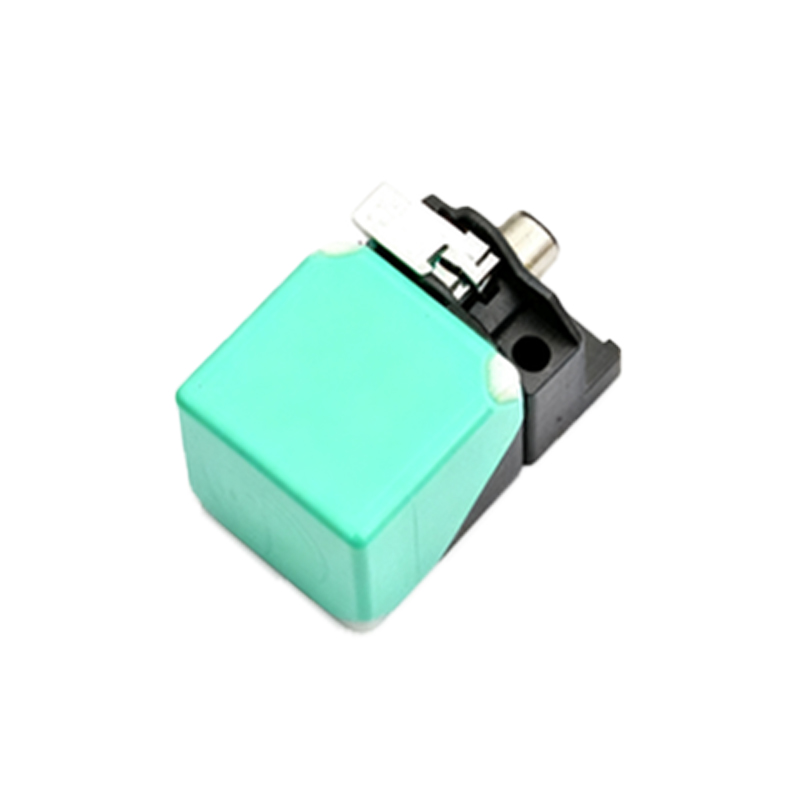
From an engineering perspective, integrating the S10 sensor into a system is generally straightforward. It requires standard DC power supply connections, often within a range of 5V to 24V DC, catering to common industrial voltage levels. The output can be in the form of a digital switch signal (NPN or PNP transistor output), a proportional analog voltage (0-10V), or a current loop (4-20mA), offering flexibility for interfacing with Programmable Logic Controllers (PLCs), microcontrollers, or other control units. Engineers must pay attention to factors such as the sensor's response time, which is typically in the microsecond to millisecond range, ensuring it meets the speed requirements of the application, such as on a high-speed production line.
The applications for the S10 Proximity Light Sensor are extensive and diverse. In automated manufacturing, it is routinely used for object detection on conveyor belts, part positioning, and robotic arm end-effector guidance. In the packaging industry, it can count products, detect label presence, or control fill levels. Consumer electronics, such as smartphones and tablets, utilize similar miniaturized versions for features like screen blanking during calls. Furthermore, its non-contact nature makes it ideal for applications involving delicate materials, sanitary environments, or hazardous areas where physical switches are impractical.
When selecting and deploying an S10 sensor, engineers must conduct a thorough analysis of the operating environment and the target object's characteristics. The sensor's performance can be influenced by the color, material, and surface texture of the target. Dark, matte, or absorbent surfaces reflect less infrared light, potentially reducing the effective sensing range compared to bright, glossy surfaces. The sensor must also be correctly aligned, and the installation should account for potential obstructions or background reflections that could cause false triggering. Regular maintenance, primarily keeping the lens clean from dust, oil, or debris, is essential for long-term reliability.
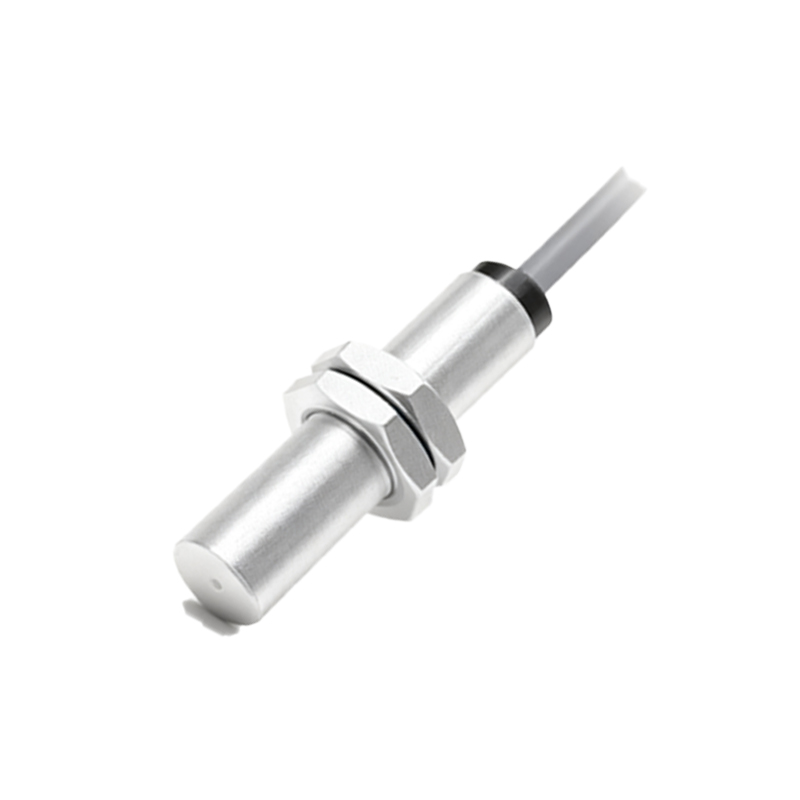
In conclusion, the S10 Proximity Light Sensor represents a mature and highly effective technology for non-contact detection. Its combination of reliability, environmental robustness, and interface flexibility makes it a staple component in an engineer's toolkit. As Industry 4.0 and the Internet of Things (IoT) continue to advance, the role of precise, intelligent sensors like the S10 will only grow in importance, forming the essential sensory layer for smarter, more responsive automated systems. Understanding its operational nuances is key to designing efficient, reliable, and innovative electrical and control systems.