Human proximity sensors are integral to modern industrial automation, enhancing safety, energy efficiency, and user interaction. Among the various microcontroller platforms available, Cypress Semiconductor's PSoC (Programmable System-on-Chip) offers a unique blend of flexibility and integration for developing sophisticated proximity sensing solutions. This article provides a comprehensive guide on utilizing PSoC-based human proximity sensors, covering design principles, implementation steps, and practical application scenarios.
PSoC devices stand out due to their configurable analog and digital blocks, allowing engineers to tailor hardware peripherals—such as capacitive sensing modules, ADCs, and communication interfaces—directly within the chip. For proximity sensing, the CapSense module is particularly relevant. It supports capacitive sensing techniques like self-capacitance and mutual capacitance, enabling detection of human presence without physical contact. The process begins with sensor electrode design. Electrodes, typically made of copper on a PCB, are shaped as pads, sliders, or buttons. Their size and layout influence sensitivity and detection range; larger electrodes can detect objects from several centimeters away. Proper shielding and grounding are crucial to mitigate noise from environmental factors like humidity or electromagnetic interference.
In the PSoC Creator or ModusToolbox IDE, developers can configure the CapSense component using a graphical interface. Key parameters include scan resolution, finger threshold, and noise threshold. The scan resolution determines the sensitivity of measurements, while thresholds help distinguish between actual touch/proximity events and false triggers. For proximity sensing, the "proximity sensor" widget is selected, and its tuning involves setting a baseline—a reference capacitance value when no object is present. The sensor continuously monitors changes in capacitance; when a human body (a conductive object) approaches, capacitance increases, and the system triggers an output if the change exceeds the predefined threshold.
Firmware development centers on initializing the CapSense module, starting scans, and processing data. PSoC's APIs simplify this process. For instance,CapSense_Start() initializes the hardware,CapSense_ScanAllWidgets() begins capacitance measurements, andCapSense_CheckIsWidgetActive() identifies proximity events. Data processing may include filtering algorithms (e.g., moving average filters) to smooth readings and debounce logic to ensure stable detection. Additionally, PSoC devices support low-power modes, making them suitable for battery-operated applications like smart lighting or security systems, where sensors can wake the system only when proximity is detected.
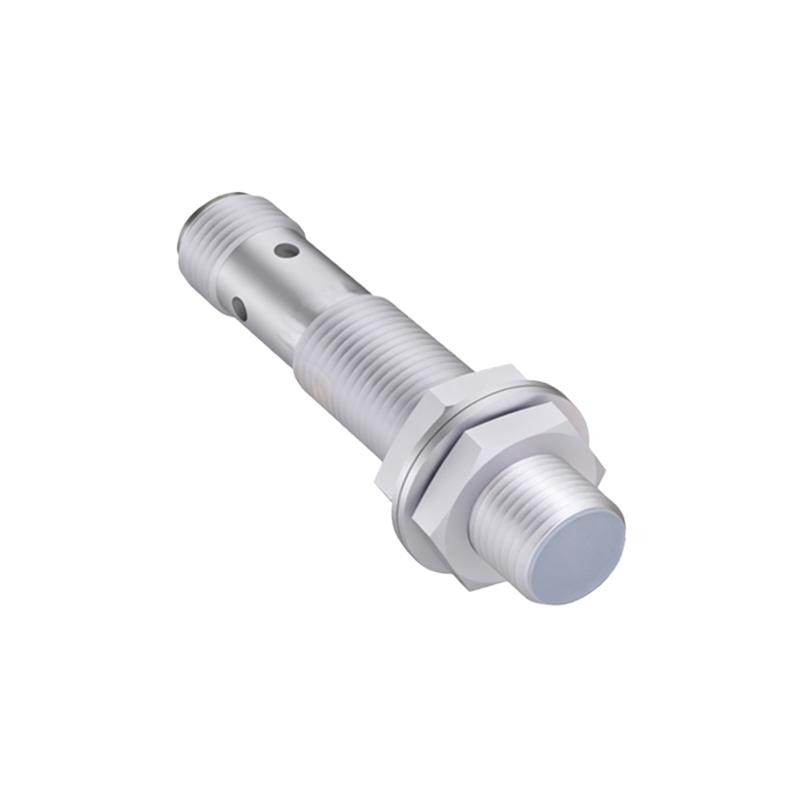
Integration with other systems is streamlined through PSoC's built-in communication peripherals. For example, proximity data can be transmitted via I2C, SPI, or UART to a central controller, or used locally to control outputs like LEDs, relays, or motors. In an industrial safety setup, a PSoC-based sensor might halt machinery when a worker enters a hazardous zone. Advanced implementations employ multiple electrodes to create proximity arrays, enabling gesture recognition or distance estimation through triangulation.
Testing and calibration are critical phases. Engineers should validate sensor performance under real-world conditions—varying temperatures, humidity levels, and potential interferers like metal surfaces. PSoC's tuner tool allows real-time monitoring and adjustment of parameters during operation, ensuring robust detection. Common pitfalls include inadequate electrode insulation, which leads to false positives, or overly sensitive thresholds that cause erratic behavior. Best practices involve following layout guidelines from Cypress's application notes, such as minimizing parasitic capacitance and using guard rings around electrodes.
In summary, PSoC-based human proximity sensors offer a versatile and efficient solution for industrial automation. By leveraging PSoC's programmable architecture, engineers can develop customized sensing systems that improve operational safety and interactivity. With proper design, configuration, and testing, these sensors can reliably detect human presence, contributing to smarter and more responsive industrial environments.