Laser distance sensors are pivotal components in modern industrial automation, offering high-precision, non-contact measurement solutions. This tutorial delves into the operational principles, selection criteria, installation practices, and troubleshooting methods for these sensors, tailored for engineers and technicians in the electrical and automation fields.
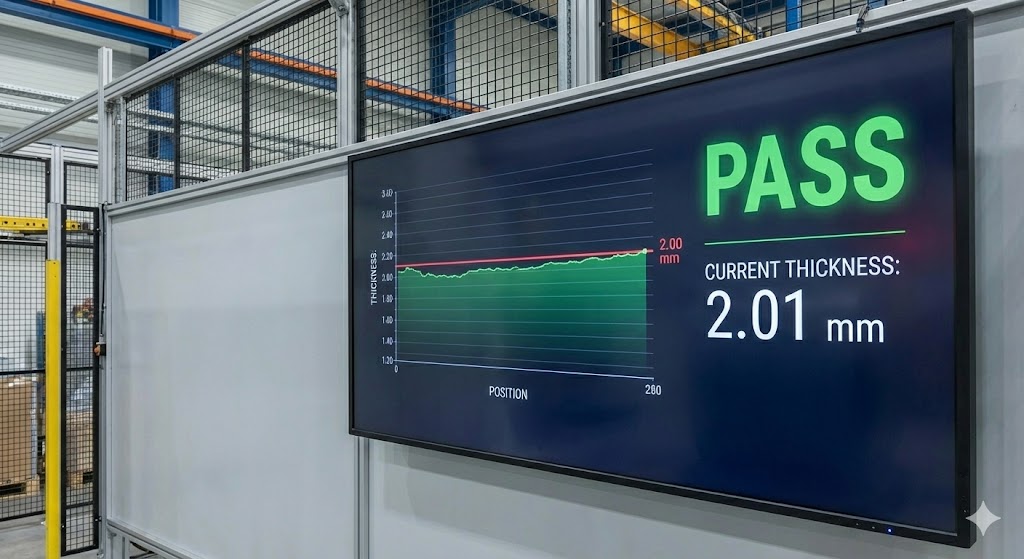
Operating on the time-of-flight or phase-shift principle, laser distance sensors emit a focused beam toward a target. The sensor calculates distance by measuring the time taken for the light to reflect back or by analyzing phase changes in modulated signals. This technology ensures accuracy within millimeters, even over long ranges, making it ideal for applications like robotic guidance, level monitoring, and quality inspection.

When selecting a laser distance sensor, consider key parameters: measurement range, resolution, response time, and environmental robustness. For instance, in harsh conditions with dust or vibrations, opt for models with IP67 ratings and robust housings. Additionally, interface compatibility (e.g., analog outputs, Ethernet/IP, or PROFINET) must align with existing control systems to facilitate seamless integration.
Installation requires careful planning to avoid common pitfalls. Mount the sensor securely on a stable surface, minimizing mechanical vibrations that could affect readings. Ensure the laser beam aligns perpendicularly to the target surface to prevent angular errors. Ambient light interference can be mitigated by using sensors with narrow-band filters or installing protective shrouds in bright environments. Regular calibration against known references maintains long-term accuracy.
For troubleshooting, start by checking power supply stability and connection integrity. Erratic readings often stem from dirty lenses or reflective target surfaces; cleaning with a soft cloth and using diffuse targets can resolve this. If communication issues arise, verify network settings and cable specifications. Advanced diagnostics may involve analyzing error codes via manufacturer software, which typically indicates faults like signal loss or overheating.
In practice, laser distance sensors enhance efficiency in conveyor belt systems by monitoring object positions, preventing jams. In construction, they assist in alignment and volume calculations. Always adhere to safety standards, such as IEC 60825-1 for laser classification, to prevent eye damage. Regular maintenance, including firmware updates and performance checks, extends sensor lifespan and reliability.
Emerging trends include integration with IoT platforms for real-time data analytics and AI-driven predictive maintenance. By mastering these fundamentals, professionals can leverage laser distance sensors to optimize industrial processes, reduce downtime, and improve product quality. For further learning, consult technical datasheets and participate in industry workshops to stay updated on advancements.