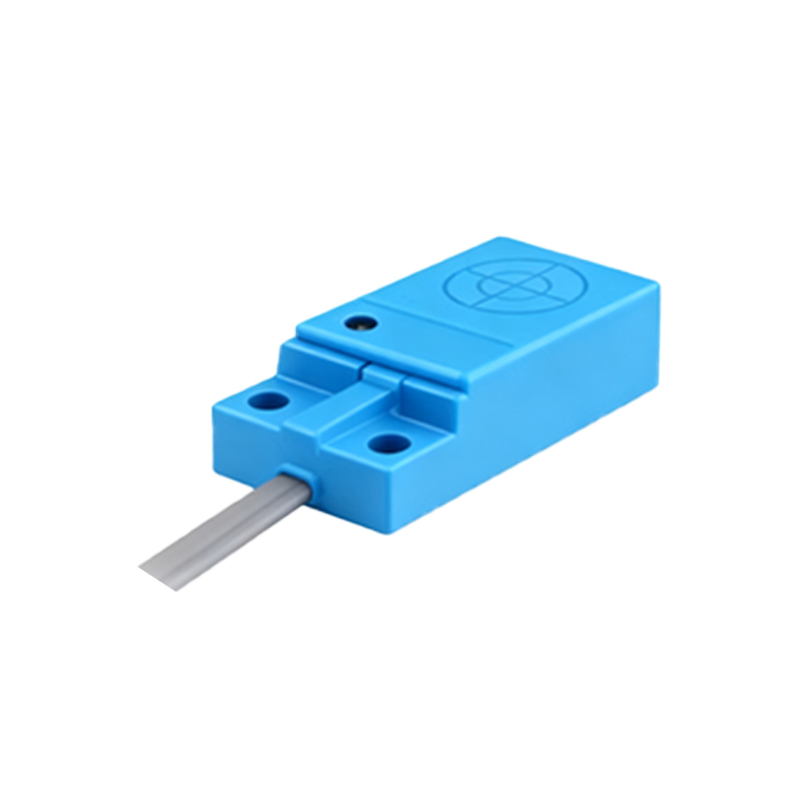
Capacitive proximity sensors are versatile and essential components in modern industrial automation and control systems. Unlike their inductive counterparts which detect only metallic objects, capacitive sensors can detect a wide range of materials, including liquids, plastics, glass, wood, and granular substances. This unique capability makes them indispensable for numerous applications across diverse industries, from food and beverage processing to pharmaceutical manufacturing and packaging.
The fundamental operating principle of a capacitive proximity sensor is based on changes in capacitance. The sensor essentially forms one plate of a capacitor, with the target object acting as the other plate. The sensor's internal oscillator generates an electrostatic field. When a target object enters this field, it alters the dielectric constant and thus the capacitance of the system. The sensor's circuitry detects this change in capacitance, which triggers a switching output—typically a solid-state PNP, NPN, or relay output—to signal the presence of the object. Key components include the sensing face (often made of a polymer material), the oscillator, the trigger circuit, and the output amplifier.
One of the primary advantages of capacitive sensors is their ability to sense non-conductive materials. This is achieved because the sensor reacts to the dielectric constant of the target material. Materials with a higher dielectric constant (like water) cause a more significant change in capacitance and are easier to detect than those with a low dielectric constant (like dry wood or certain plastics). Many models feature a sensitivity adjustment potentiometer, allowing engineers to fine-tune the sensing distance and ignore background materials or the container wall, a feature crucial for level detection tasks.
The applications for capacitive proximity sensors are extensive. A common use is liquid level detection in tanks, whether for water, chemicals, or food products. They can detect the presence or absence of material through non-metallic container walls, enabling non-contact monitoring. In packaging lines, they verify the presence of plastic bottles, glass vials, or cardboard boxes. They are used to monitor the fill level of hoppers containing powders or granules. In the wood and paper industries, they detect stacks of sheets or the presence of logs. Furthermore, they serve as touch-sensitive switches in human-machine interfaces (HMIs), offering a robust, sealed alternative to mechanical buttons.
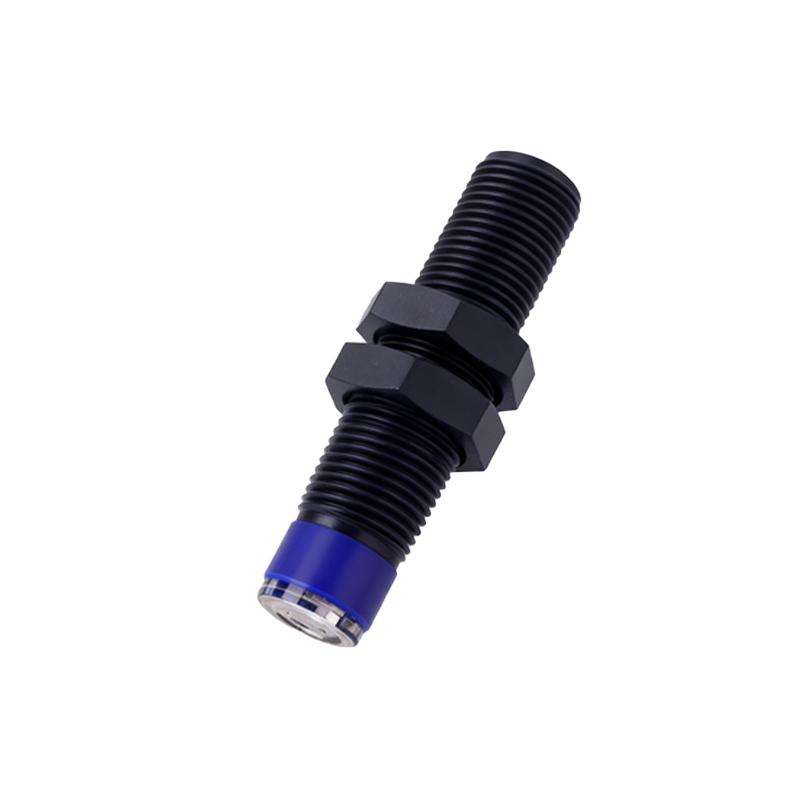
Selecting the right capacitive sensor requires careful consideration of several parameters. First, define the target material and its dielectric constant, as this directly influences the nominal sensing distance (Sn). Manufacturers specify Sn for a standard target (usually steel). For non-metallic materials, a reduction factor must be applied. The required sensing distance should be less than 70-80% of the effective Sn to ensure reliable operation under varying conditions like temperature shifts or supply voltage tolerances. The sensor housing is another critical choice. Cylindrical threaded barrels (e.g., M8, M12, M18, M30) are common, but rectangular and block-style housings are available for specific mounting needs. The housing material, typically nickel-plated brass, stainless steel, or PBT plastic, must be compatible with the environment, considering factors like washdown conditions, chemical exposure, or extreme temperatures.
Output configuration is equally important. Two-wire AC/DC, three-wire DC (PNP or NNP sourcing/sinking), and four-wire versions (with both NO and NC outputs) are standard. The output current rating must be compatible with the PLC or controller input. For analog capacitive sensors, the output is a continuous current or voltage signal proportional to the distance or material property, useful for precision measurement tasks. Environmental protection ratings, denoted by IP (Ingress Protection) and NEMA codes, are vital. For harsh environments, look for ratings like IP67, IP68, or IP69K, which guarantee protection against dust and high-pressure water jets.
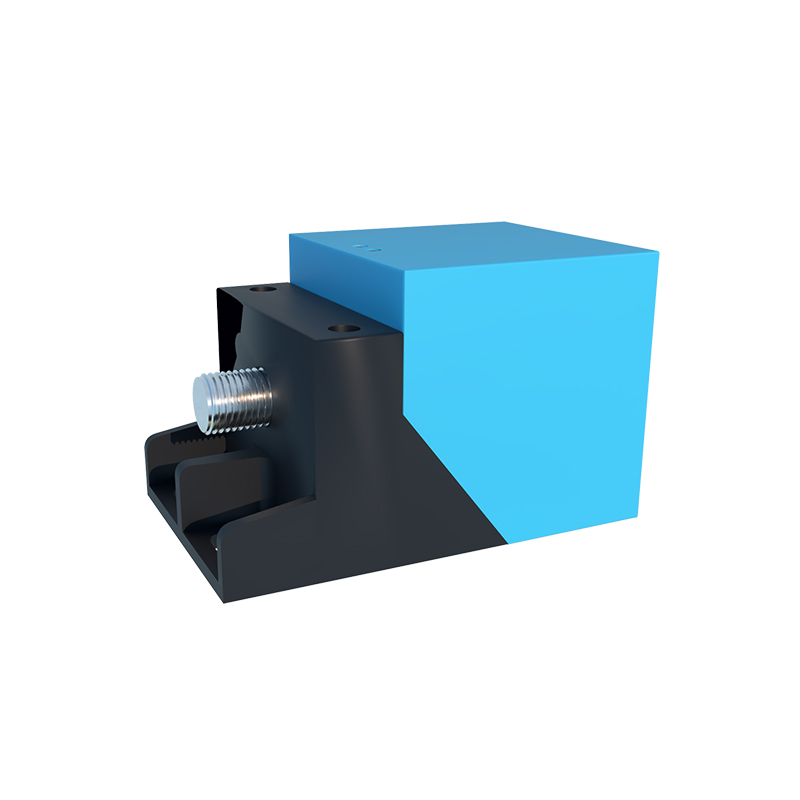
Installation and commissioning practices significantly impact performance. Maintain the recommended clearance from surrounding metal (lateral and flush-mounting distances) to prevent false triggering. The sensing field is not a precise cone; it extends from the front and slightly around the sides of the sensor. Avoid mounting sensors opposite each other without sufficient separation to prevent mutual interference. When detecting materials inside a container, adjust the sensitivity so the sensor triggers on the material, not the container wall. Always refer to the manufacturer's datasheet for specific mounting and wiring instructions.
In summary, capacitive proximity sensors offer a flexible and reliable solution for detecting a vast array of solid and liquid materials without physical contact. Their principle of operation, based on dielectric changes, opens up possibilities where inductive or photoelectric sensors fall short. Successful implementation hinges on a thorough understanding of the target material, environmental conditions, and electrical requirements. By carefully selecting and properly installing the appropriate capacitive sensor, engineers can achieve robust, maintenance-free detection that enhances efficiency, safety, and quality in automated industrial processes. As technology advances, we see trends towards miniaturization, increased intelligence with IO