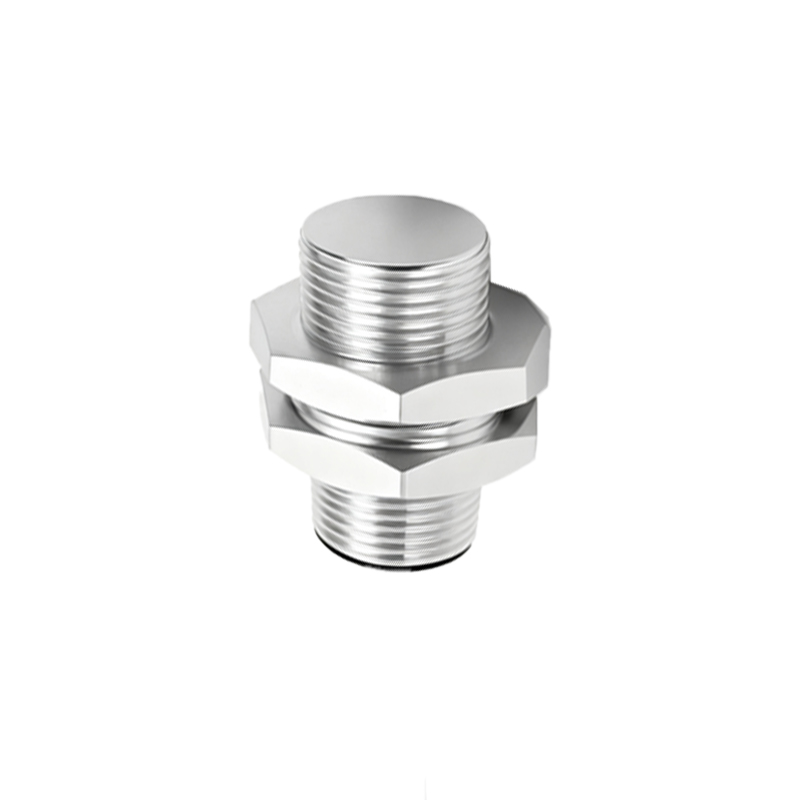
Proximity sensor circuit boards are integral components in modern industrial automation, enabling non-contact detection of objects with high precision and reliability. These boards typically integrate an oscillator, a sensing coil or electrode, a signal conditioning circuit, and an output driver. The core principle involves generating an electromagnetic or electrostatic field; when a target object enters this field, it causes a change in oscillation amplitude or capacitance, which is then detected and converted into a usable electrical signal.
Designing a robust proximity sensor PCB requires careful attention to several key factors. First, the oscillator circuit must be stable and immune to environmental noise, often achieved through careful component selection and layout. The sensing element, whether inductive for metal detection or capacitive for non-metallic materials, must be positioned to optimize the sensing field and minimize interference from adjacent machinery. Signal conditioning is critical, involving amplification, filtering, and comparison stages to transform the raw sensor signal into a clean, digital output. For harsh industrial environments, the board must incorporate protection against voltage transients, electromagnetic interference (EMI), and physical contaminants. This often involves using conformal coatings, robust connectors, and TVS diodes.
The choice of output type—PNP, NPN, analog (4-20mA, 0-10V), or IO-Link digital—depends on the control system interface. Modern designs increasingly feature embedded microcontrollers for programmability, diagnostics, and temperature compensation, enhancing flexibility and performance. Power supply design is another crucial aspect, ensuring stable operation across a wide voltage range (commonly 10-30V DC) with low quiescent current for energy-efficient applications.
In application, these circuit boards are deployed across diverse sectors. In automotive manufacturing, they precisely detect robotic arm positions and part presence on assembly lines. In packaging machinery, they count products and monitor fill levels without physical contact, preventing wear and contamination. Material handling systems use them for object detection on conveyors and in automated storage/retrieval systems. Their solid-state nature offers advantages over mechanical limit switches, including longer lifespan, higher switching speeds, and resistance to vibration.
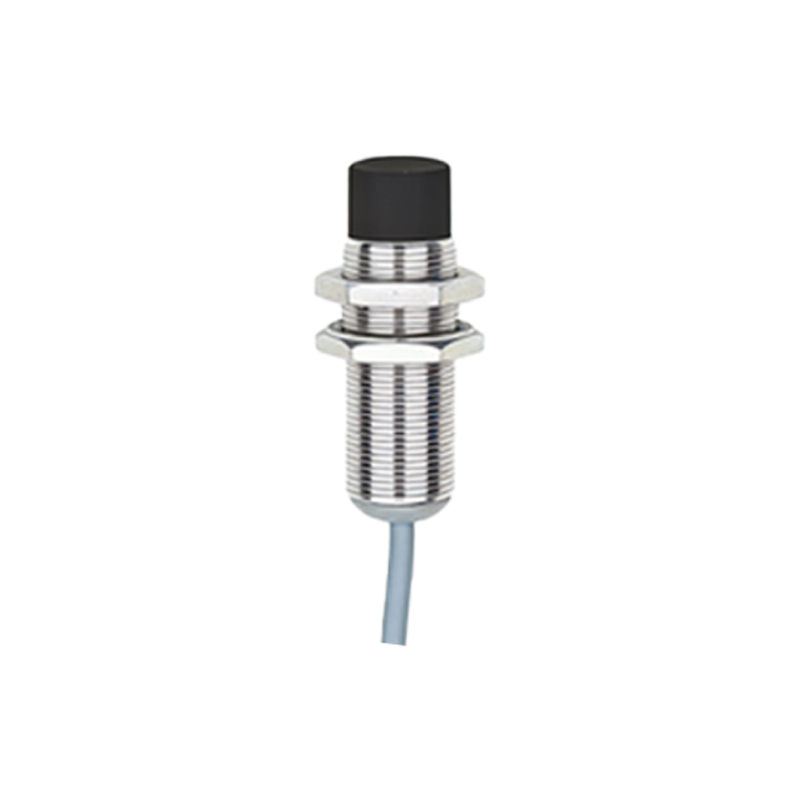
Future trends point toward miniaturization, increased sensing ranges, and enhanced intelligence via Industrial IoT (IIoT) integration. Smart sensors with embedded communication protocols can transmit diagnostic data, enabling predictive maintenance and reducing downtime. As industries advance toward greater automation and connectivity, the role of the proximity sensor circuit board as a fundamental, intelligent node in the control ecosystem continues to expand, demanding ongoing innovation in circuit design, materials, and integration capabilities.