In the rapidly evolving landscape of industrial automation, proximity sensors have become indispensable components, with Korean manufacturers leading the way in innovation and reliability. These non-contact detection devices are crucial for ensuring precision, safety, and efficiency across various sectors, including automotive manufacturing, robotics, and electronics assembly. To select and utilize the right Korean proximity sensor for your application, a deep understanding of its key parameters is essential.
First and foremost, the sensing distance stands as a primary parameter. It defines the maximum range at which the sensor can detect an object without physical contact. Korean sensors often excel in offering stable sensing distances even under challenging environmental conditions, thanks to advanced coil designs and robust housing. For instance, inductive proximity sensors typically provide short-range detection (from 1 mm to 60 mm), while capacitive variants might extend further, depending on the material properties of the target. Engineers must carefully match this parameter with the operational requirements to avoid false triggers or missed detections.
Another critical factor is the output type, which determines how the sensor communicates with control systems. Common configurations include NPN (sinking) and PNP (sourcing) transistor outputs, as well as analog outputs (0-10V or 4-20mA) for distance-proportional signals. Many Korean models also feature IO-Link compatibility, enabling digital communication for real-time parameter adjustments and diagnostics. The choice between these outputs depends on the PLC or controller interface, ensuring seamless integration into existing automation networks.
Response time, measured in milliseconds or microseconds, indicates how quickly the sensor reacts to a detected object. High-speed applications, such as packaging lines or robotic pick-and-place systems, demand sensors with minimal response delays. Leading Korean brands often achieve response times as low as 0.1 ms, leveraging high-frequency oscillation circuits and optimized signal processing algorithms. This parameter directly impacts system throughput and must be evaluated alongside the maximum switching frequency to prevent bottlenecks.
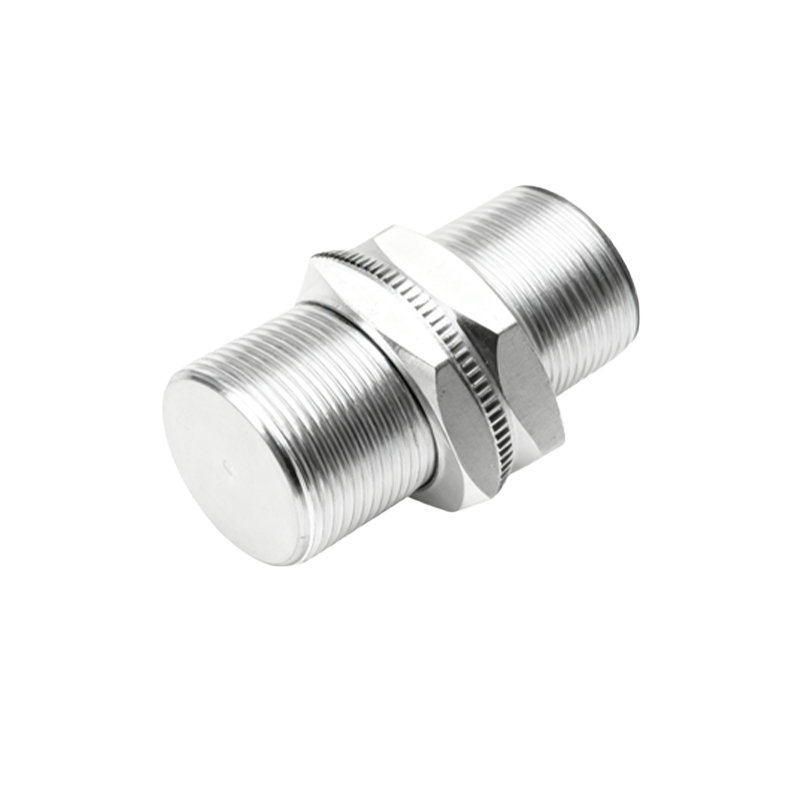
Environmental robustness is a hallmark of Korean proximity sensors, reflected in parameters like IP (Ingress Protection) ratings and operating temperature ranges. IP67 or IP68 ratings ensure resistance to dust and water immersion, making sensors suitable for harsh industrial environments—from wet food processing plants to dusty construction sites. Operating temperatures typically span from -25°C to 70°C, with some specialized models designed for extreme cold or heat. Additionally, resistance to electrical noise, vibration, and chemical exposure is often specified, ensuring longevity and reliability.
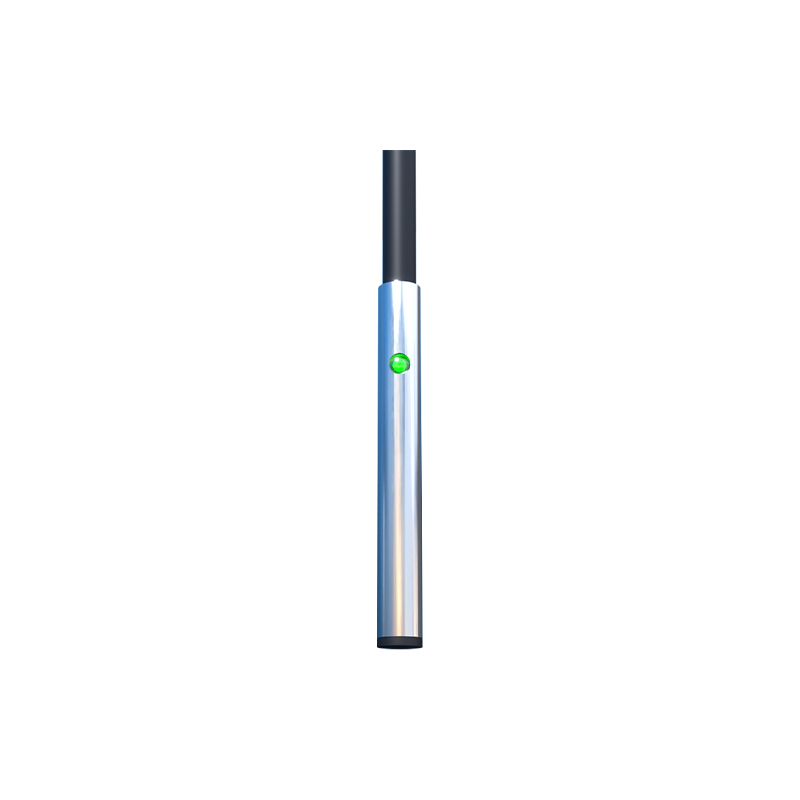
Power supply requirements vary between DC (10-30V) and AC (90-250V) models, influencing installation flexibility and energy consumption. Korean sensors are known for their low power draw, contributing to energy-efficient operations. The load current capacity, usually up to 200 mA, must align with the connected device’s demands to prevent overload. Furthermore, short-circuit and reverse polarity protection features enhance safety and reduce downtime.
Material and construction details also play a significant role. Stainless steel or nickel-plated brass housings are common in Korean sensors, offering corrosion resistance and mechanical strength. The sensing face material, often PBT or PTFE, affects performance in aggressive chemical environments. For inductive sensors, the target material (e.g., ferrous vs. non-ferrous metals) influences the effective sensing distance, requiring adjustments per application.
Finally, certification standards such as CE, UL, and KC (Korean Certification) validate compliance with international safety and quality norms. Engineers should prioritize sensors bearing these marks to ensure regulatory adherence and global compatibility. By meticulously analyzing these parameters—sensing distance, output type, response time, environmental ratings, power specs, and build quality—professionals can harness the full potential of Korean proximity sensors, driving innovation and productivity in modern industrial setups.