In the rapidly evolving landscape of smart devices and IoT, the demand for reliable, accurate, and cost-effective sensing solutions has never been higher. Among these, consumer-grade high-precision proximity sensors have emerged as a critical enabling technology, seamlessly integrating into our daily lives from smartphones and wearables to smart home appliances and robotics. Unlike their industrial counterparts, which prioritize ruggedness and extreme environmental tolerance, consumer-grade sensors must master the delicate balance of high performance, miniaturization, low power consumption, and affordability.
At their core, proximity sensors detect the presence or absence of an object within a defined range without physical contact. The quest for high precision in the consumer realm revolves around achieving consistent accuracy, minimal hysteresis, and excellent signal-to-noise ratio at a competitive price point. Several technologies dominate this space, each with its unique advantages. Capacitive sensing is perhaps the most ubiquitous, found beneath smartphone screens and touchpads. It works by detecting changes in an electrostatic field caused by a conductive object, like a finger. Modern high-precision capacitive sensors can distinguish between a deliberate touch and a hovering finger, enabling features like "air gestures" with impressive accuracy. Infrared (IR) and Time-of-Flight (ToF) sensors represent another major category. IR sensors typically use an IR LED and a photodetector to sense reflected light, while ToF variants measure the time for a light pulse to return, providing direct distance measurement. These are the workhorses behind automatic screen dimming in phones and tablets, touchless faucets, and robot vacuum navigation, offering precision in the millimeter range. Inductive sensors, which detect metallic objects through electromagnetic fields, find specialized use in consumer applications where non-contact detection of metals is required, such as in certain kitchen appliance lids or e-bike pedal assist systems.
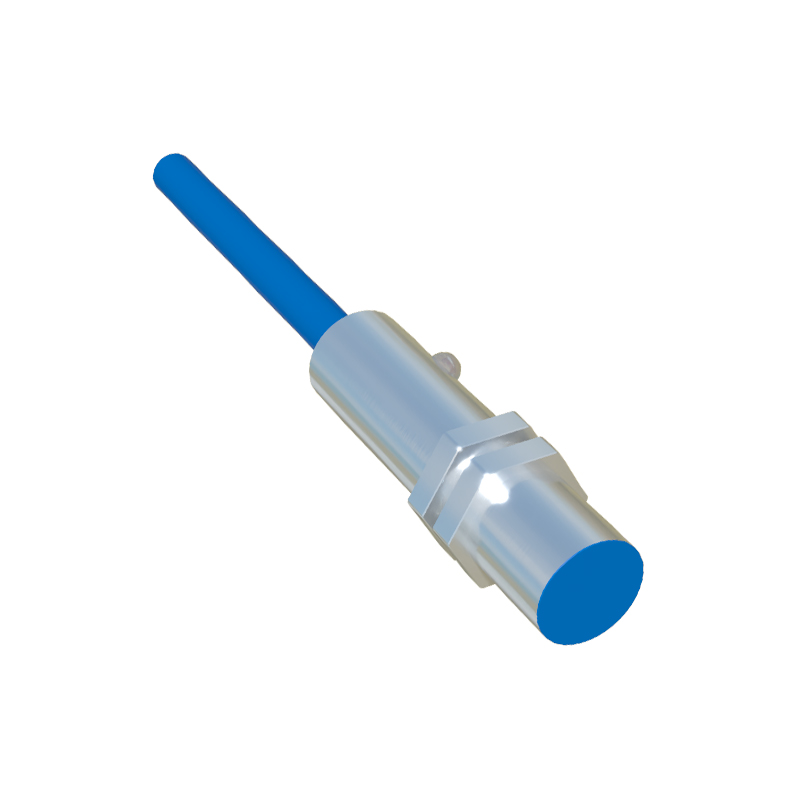
The drive for higher precision is fueled by several technological advancements. Integrated circuit (IC) design has seen tremendous progress, with sensor manufacturers packing sophisticated analog front-ends, digital signal processors (DSP), and algorithms onto a single chip. This system-on-chip (SoC) approach not only reduces size and cost but also enables on-chip calibration and compensation for environmental variables like temperature drift, which is crucial for maintaining accuracy. Advanced algorithms, including machine learning filters, are increasingly deployed to distinguish between intended targets and environmental noise—such as sunlight interfering with an IR sensor or moisture affecting a capacitive sensor. Furthermore, the fusion of data from multiple sensor types (sensor fusion) is a growing trend. Combining a proximity sensor with an ambient light sensor, accelerometer, or even a camera can create a contextual understanding that allows for more intelligent and precise system responses.
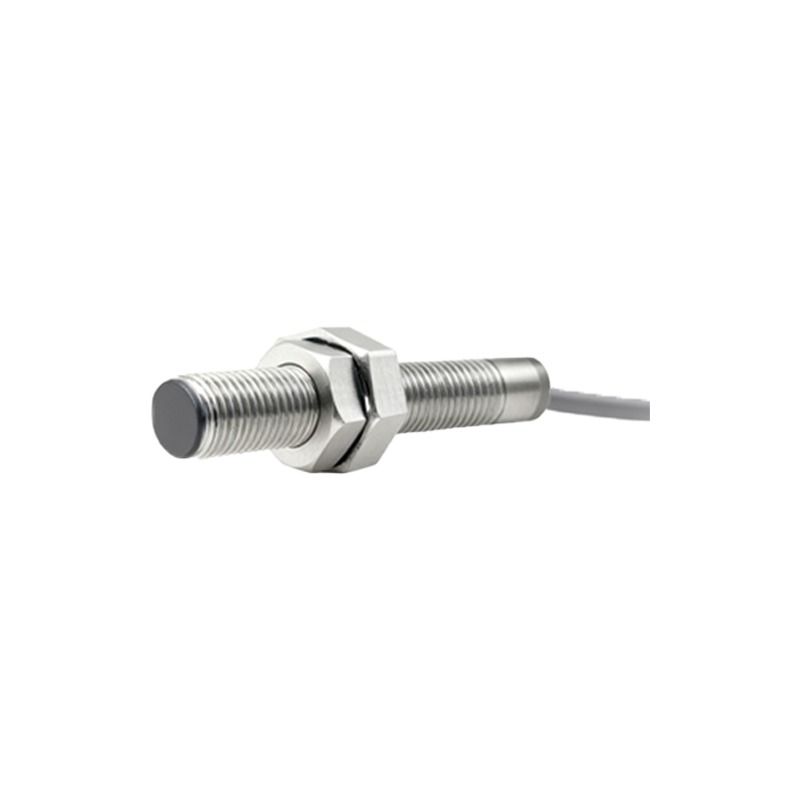
The application spectrum for these tiny yet powerful components is vast. In mobile devices, they enable energy-saving features by turning off displays during calls and facilitate novel user interfaces. In wearable technology, such as smartwatches and fitness bands, they reliably detect when the device is worn on the wrist to activate or deactivate functions, conserving battery life. Smart home ecosystems leverage them for presence detection to automate lighting, security, and climate control with greater nuance than traditional motion sensors. Even modern automotive interiors use them to create intuitive control surfaces and enhance driver monitoring systems.
For engineers and product designers selecting a high-precision proximity sensor, a careful evaluation of key parameters is essential. The sensing range must match the application, whether it's a few millimeters for touch detection or several centimeters for gesture control. Accuracy and resolution define the sensor's capability to provide consistent and fine-grained measurements. Power consumption is paramount for battery-operated devices, making quiescent current and active cycle timing critical specs. The form factor and package type (e.g., surface-mount device) must fit increasingly compact designs. Environmental robustness against factors like ambient light, dust, and temperature variations ensures reliable operation in real-world conditions. Finally, the supply chain availability and total system cost, including supporting components and calibration effort, ultimately determine feasibility for mass-market consumer products.
Looking ahead, the trajectory for consumer-grade high-precision proximity sensors points toward even greater integration, intelligence, and miniaturization. Emerging technologies like micro-electro-mechanical systems (MEMS)-based sensors and innovations in optical designs promise new levels of performance. As the boundary between the physical and digital worlds continues to blur, these sensors will remain fundamental building blocks, creating more responsive, efficient, and intuitive consumer experiences. Their evolution is a testament to the sophisticated engineering that operates quietly behind the scenes, making our technology not just smarter, but more perceptive and human-centric.