In the complex ecosystem of industrial automation and control systems, proximity sensor distributors play a pivotal and often underappreciated role. They are far more than simple middlemen moving boxes from a manufacturer's warehouse to an end user's facility. A proximity sensor distributor acts as a critical technical and commercial bridge, connecting the innovative engineering of sensor manufacturers with the diverse and demanding application needs of OEMs (Original Equipment Manufacturers), system integrators, and maintenance teams across countless industries.
At its core, a proximity sensor is a non-contact electronic device designed to detect the presence or absence of an object within its sensing range without physical contact. These sensors, including inductive, capacitive, ultrasonic, and photoelectric types, are fundamental components in modern manufacturing, robotics, packaging, and material handling. They ensure precision, enhance safety, and enable automation. However, the journey from sensor specification to successful installation is where the distributor's expertise becomes indispensable.
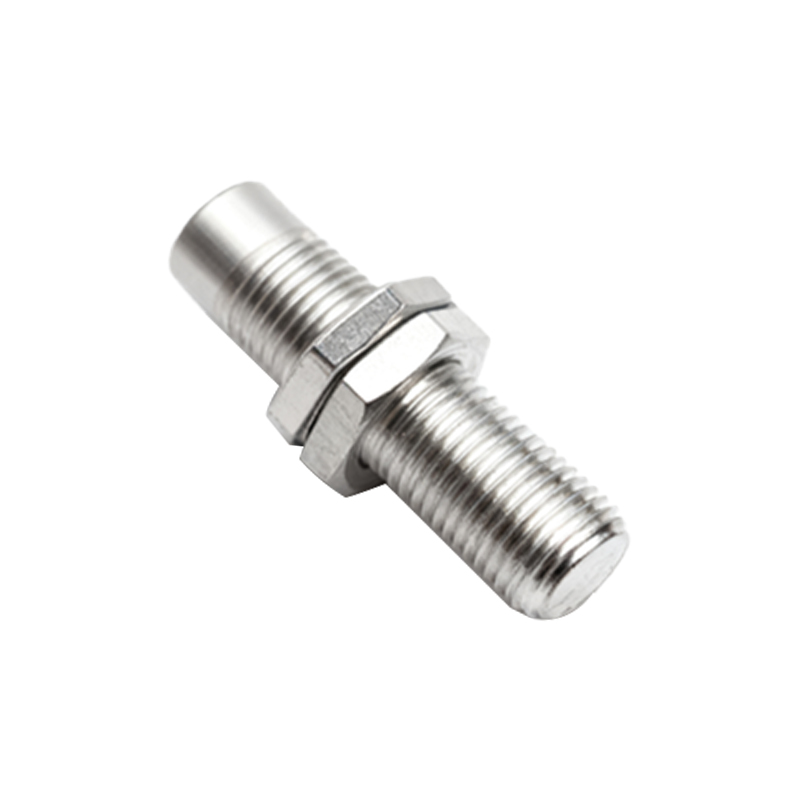
A premier proximity sensor distributor provides a comprehensive suite of services that extend well beyond inventory management. First and foremost is Technical Support and Application Engineering. The distributor's engineers possess deep, practical knowledge of various sensor technologies. They work closely with clients to understand the specific challenge: Is it detecting a metallic object on a high-speed conveyor? Sensing a liquid level through a glass tank? Or ensuring precise positioning in a robotic cell? Based on factors like target material, sensing distance, environmental conditions (temperature, washdowns, contaminants), and output requirements, they recommend the optimal sensor model. This consultative approach prevents costly misapplications and downtime.
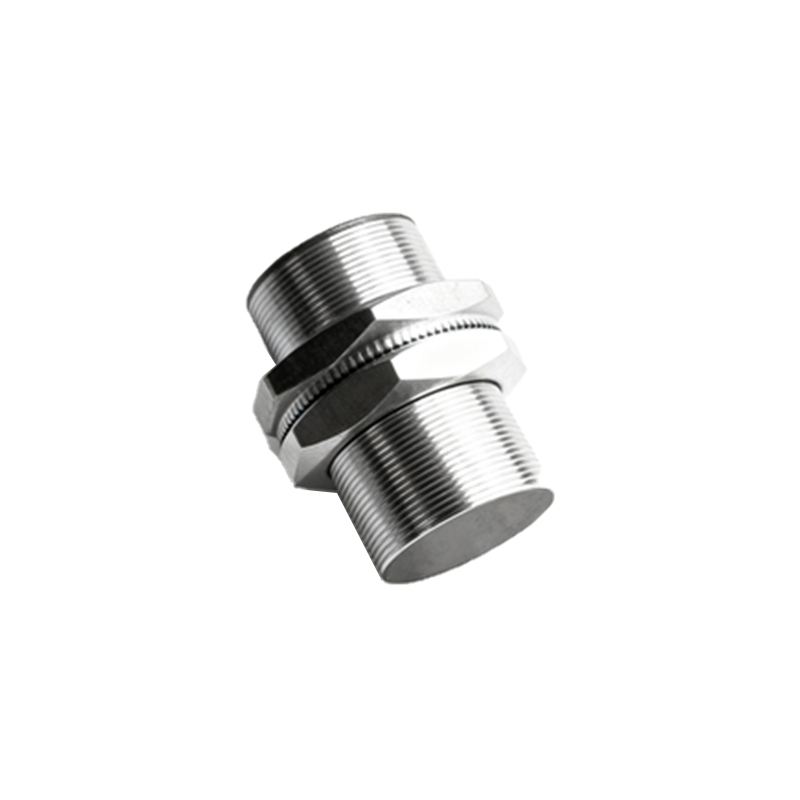
Supply Chain and Logistics Management is another critical function. Distributors maintain extensive local inventories of popular sensor models from multiple leading manufacturers. This local stock ensures rapid availability, which is crucial for production line maintenance and urgent project timelines. They manage the complexities of international shipping, customs, and lead times, providing customers with reliable delivery schedules and inventory planning support, often through vendor-managed inventory (VMI) programs.
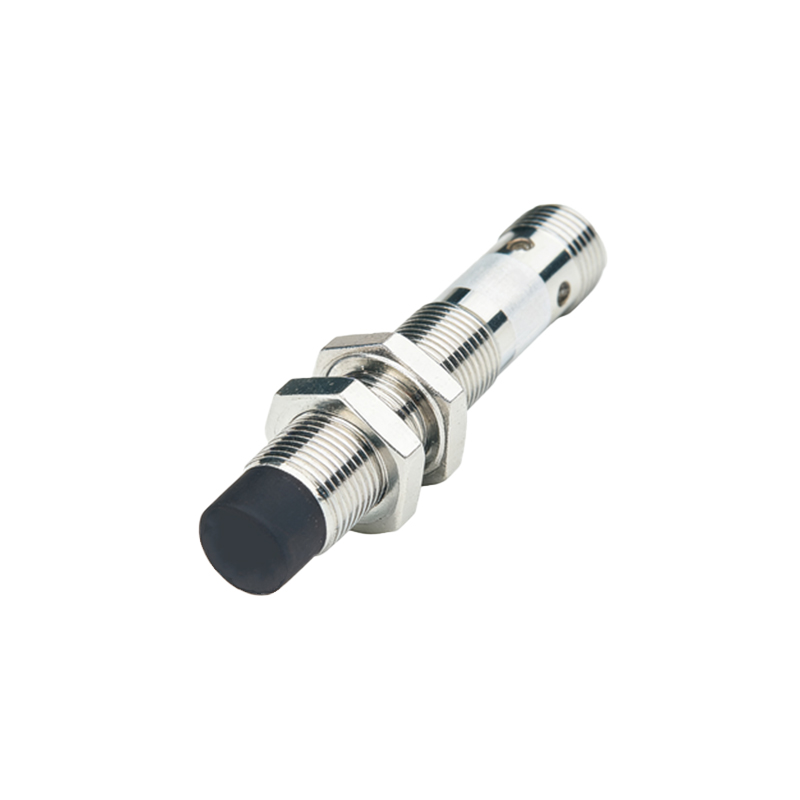
Furthermore, distributors offer significant Value-Added Services. These can include custom cable assembly, connectorization, mounting bracket fabrication, and sensor pre-configuration. For large-scale projects, they may provide kitting services, bundling all necessary sensors and accessories for a particular machine build. This pre-processing saves valuable time for the customer's assembly teams. They also play a vital educational role, conducting product training sessions and workshops to keep their clients' engineers and technicians updated on the latest sensor technologies and best practices.
The relationship between a manufacturer and its authorized distributors is symbiotic. Manufacturers rely on their distributor network to provide localized market reach, frontline customer interaction, and after-sales support. For the customer, partnering with a reputable distributor means access to a broader portfolio of products from various brands through a single, trusted point of contact. This simplifies procurement, consolidates invoices, and builds a partnership based on long-term technical collaboration rather than just transactional purchasing.
Choosing the right proximity sensor distributor requires careful evaluation. Key criteria should include the depth of their technical staff's expertise, the breadth and quality of their manufacturer partnerships (e.g., with brands like Sick, Pepperl+Fuchs, Omron, or Balluff), their inventory levels and geographic coverage, the range of value-added services offered, and their responsiveness to support requests. A distributor with a strong focus on the industrial automation sector will inherently understand the language of PLCs, IO-Link communication, and machine safety standards.
In conclusion, a proximity sensor distributor is an essential partner in the industrial value chain. They transform complex product catalogs into actionable solutions, mitigate supply chain risks, and provide the technical guidance necessary to implement reliable and efficient sensing systems. For any organization relying on automation, cultivating a strong relationship with a knowledgeable and service-oriented distributor is not merely a procurement strategy; it is a strategic investment in operational resilience, innovation, and long-term productivity.