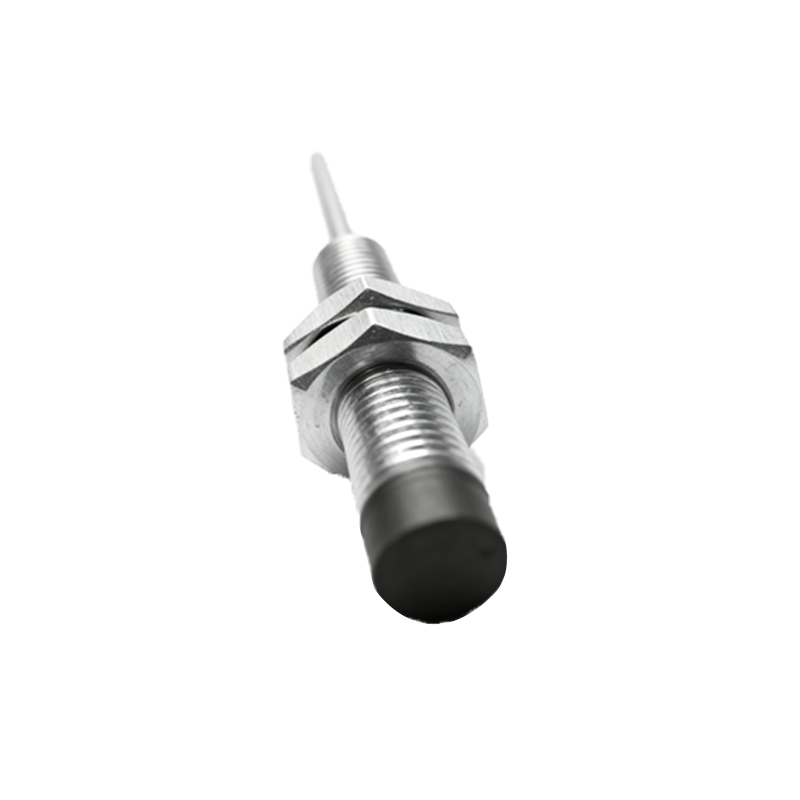
In industrial automation and control systems, proximity sensors are indispensable components for non-contact detection. Among the various form factors, the 4-wire square proximity sensor switch stands out for its robust construction, reliable performance, and versatile functionality. This article delves into the technology, operating principles, wiring configurations, and key application areas of this specific sensor type.
A 4-wire square proximity sensor is a self-contained, solid-state electronic device housed in a typically square or rectangular enclosure. Its primary function is to detect the presence or absence of a metallic or non-metallic target object without physical contact, using electromagnetic or capacitive sensing principles. The "4-wire" designation is crucial, indicating its power and output configuration. Unlike 2-wire sensors that are wired in series with the load, or 3-wire sensors that have separate power, ground, and signal wires, the 4-wire variant offers distinct advantages. It typically comprises two wires for the power supply (usually DC, e.g., 10-30 VDC) and two separate wires for the output switch. This output is often configured as one normally open (NO) and one normally closed (NC) contact, providing maximum flexibility in control logic design. This dual complementary output allows engineers to design fail-safe circuits and choose the appropriate signal state for their specific application, enhancing system reliability.
The sensing technology employed is commonly inductive for metal targets or capacitive for non-metallic materials like plastics, wood, or liquids. Inductive sensors generate an electromagnetic field from a coil in the sensing face. When a metallic object enters this field, eddy currents are induced, causing a change in the oscillation amplitude. This change is detected by the sensor's internal circuitry, which then triggers the solid-state output switch. Capacitive sensors, on the other hand, create an electrostatic field. The presence of any object with a dielectric constant different from air alters the capacitance of the system, triggering the switch. The square housing is advantageous as it provides a larger surface area for mounting, often featuring pre-drilled holes or slots for secure and stable installation on machinery, which is critical in high-vibration industrial environments.
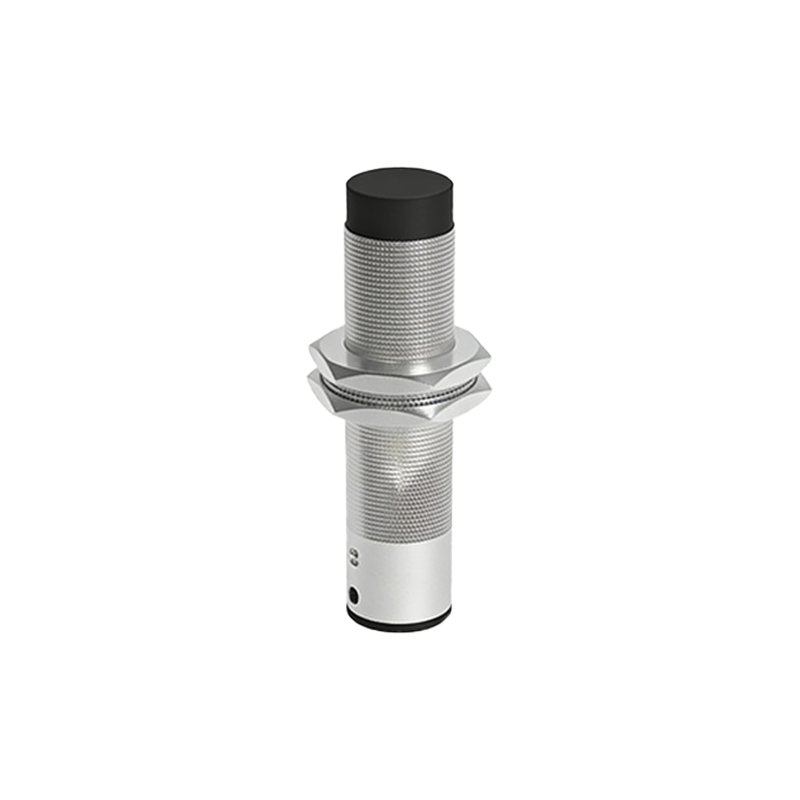
Wiring a 4-wire sensor is straightforward but requires attention to detail. The two power wires (brown for positive/+, blue for negative/- or common) connect directly to the DC power source. The two output wires (typically black and white) represent the switched outputs. The black wire is commonly the NO output, and the white wire the NC output. The load (e.g., a PLC input, relay coil, or indicator lamp) is connected between one of these output wires and the positive or negative rail of the power supply, depending on the desired sourcing (PNP) or sinking (NPN) configuration. It is paramount to consult the specific manufacturer's datasheet for the exact color coding and specifications. A key benefit of this design is electrical isolation between the power supply circuit and the output switching circuit, which can help prevent electrical noise interference and protect sensitive control equipment.
The applications for 4-wire square proximity switches are vast across manufacturing and processing industries. They are extensively used for object detection on conveyor lines, position sensing of machine parts (like cylinders end-of-stroke detection), counting products, monitoring bin levels, and as safety interlocks on machine guards. Their square shape makes them ideal for embedding into machine frames or mounting alongside other equipment where a flat surface is available. The dual NO/NC outputs are particularly valuable in safety-critical applications and complex control sequences where both presence and absence signals are required simultaneously for logic verification.
When selecting a 4-wire square proximity sensor, engineers must consider several parameters: sensing distance (rated operating distance), target material, output type (complementary NO/NC), supply voltage range, output current capacity, switching frequency, housing material (often nickel-plated brass or stainless steel for durability), and environmental protection rating (IP67 or IP69K for washdown or harsh conditions). Proper selection ensures long-term, maintenance-free operation.
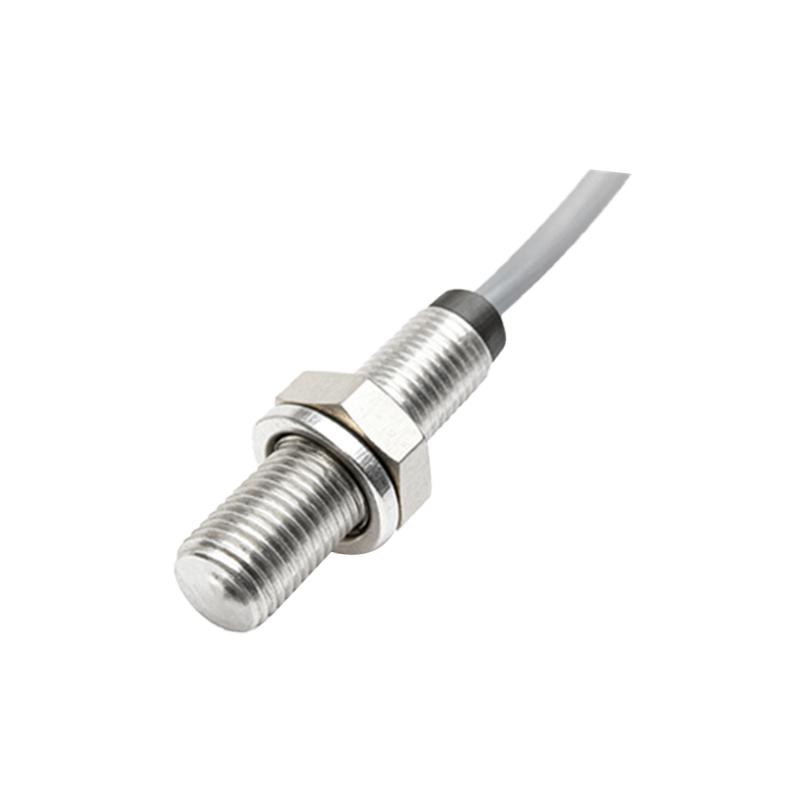
In summary, the 4-wire square proximity sensor switch is a fundamental, highly adaptable component in modern industrial control. Its distinct four-wire design with complementary outputs offers superior wiring flexibility and control options compared to simpler models. Understanding its operation, correct installation, and application-specific selection is key to designing robust, efficient, and reliable automated systems. As automation evolves, these sensors continue to be a trusted solution for precise, non-contact detection tasks.