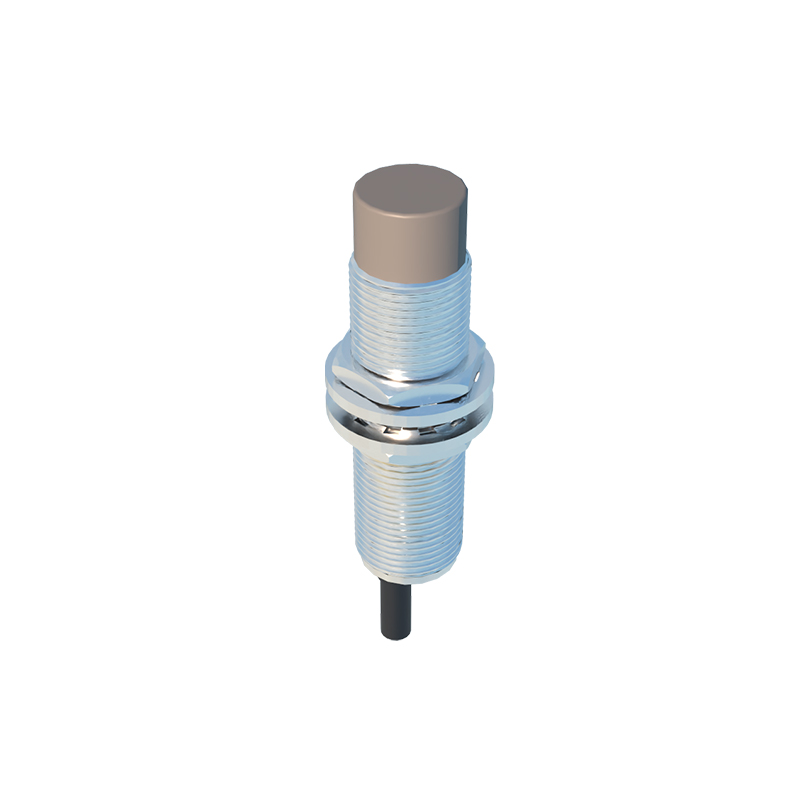
In the realm of industrial automation and machine design, the precise detection of objects is paramount. Among the myriad of sensing solutions available, cylindrical small-diameter proximity sensors stand out for their compact form factor and reliable performance in confined spaces. These non-contact sensors are engineered to detect the presence or absence of metallic or, in some variants, non-metallic objects without physical contact, thereby eliminating mechanical wear and enabling high-speed operation.
The defining characteristic of these sensors is their cylindrical housing, typically with diameters ranging from M4 (4mm) to M12 (12mm), with M5, M8, and M12 being the most common industry standards. This slender design allows for installation in tight locations where larger sensors cannot fit, such as in small robotic grippers, compact assembly modules, or within intricate machinery. Despite their small size, they are built to withstand harsh industrial environments, often featuring robust materials like nickel-plated brass or stainless steel housings, high ingress protection (IP) ratings (e.g., IP67, IP69K), and the ability to resist vibrations, shocks, and temperature fluctuations.
Operating primarily on inductive, capacitive, or magnetic principles, the choice of technology depends on the target material. Inductive sensors are the most prevalent for detecting ferrous and non-ferrous metals. They generate an electromagnetic field from a coil in the sensor head; when a metallic object enters this field, it causes a change in oscillation amplitude, which the sensor's circuitry detects and converts into a switching signal. Their sensing ranges, while limited by the small diameter—typically from 0.8mm to 4mm—are precisely defined and highly repeatable. Capacitive variants can detect both metallic and non-metallic materials (plastics, liquids, wood) by measuring changes in capacitance, making them versatile for material handling applications. Magnetic sensors, often reed or Hall-effect based, are specialized for detecting permanent magnets, commonly used in cylinder position sensing.
Key performance parameters for engineers to consider include the sensing distance, which must be derated for different metals in inductive models; response frequency, indicating how quickly the sensor can detect objects passing by; and output configuration, typically PNP (sourcing) or NPN (sinking) transistor outputs, compatible with PLCs (Programmable Logic Controllers) and control systems. Wiring is streamlined via standard M12 or M8 quick-disconnect connectors, facilitating easy installation and maintenance.
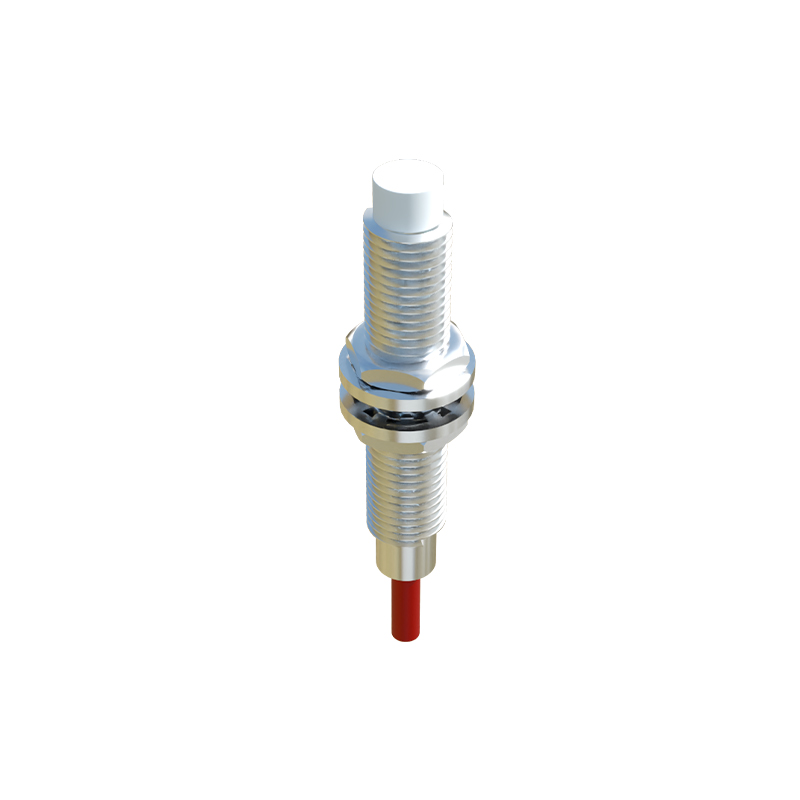
Applications are vast and critical. In automotive manufacturing, these sensors verify the presence of tiny screws or components. In packaging machinery, they monitor foil levels or count small items on high-speed conveyors. In electronics assembly, they ensure precise placement of miniature parts. Their embedded design often includes features like short-circuit protection, overload protection, and LED status indicators for operational diagnostics.
Selecting the right sensor involves a careful analysis of the target material, required sensing distance, environmental conditions (presence of coolants, metal chips, or washdown needs), electrical requirements, and mechanical mounting constraints. It is crucial to consult datasheets for temperature ranges, housing material compatibility, and any specific installation notes, such as maintaining adequate clearance from surrounding metals to prevent false triggering.
In conclusion, cylindrical small-diameter proximity sensors are indispensable components in modern industrial systems, enabling miniaturization, precision, and reliability. Their continued evolution incorporates smarter diagnostics and IO-Link communication for Industry 4.0 integration, providing not just a binary signal but valuable data for predictive maintenance and process optimization. For any design involving precise object detection in limited space, these sensors offer a robust, efficient, and proven solution.