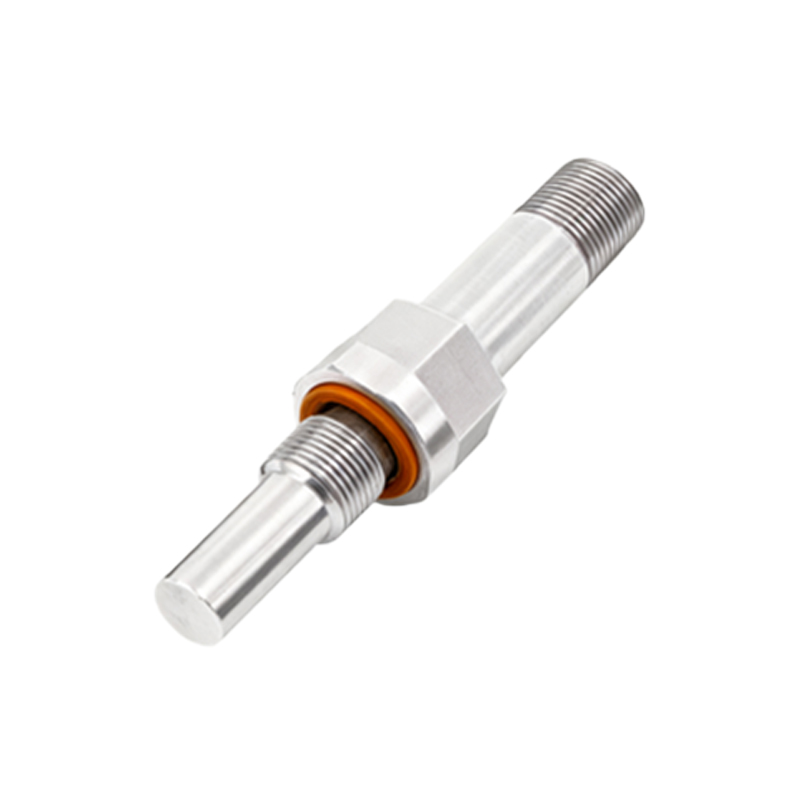
In the intricate world of modern aviation, where safety protocols are paramount and operational efficiency is relentlessly pursued, a small yet critical component plays a vital role: the aircraft door proximity sensor. These unassuming devices are the silent guardians at every passenger and cargo door, forming an essential link in the chain of pre-flight safety checks and ground handling procedures. Far from being a simple switch, the modern door proximity sensor is a sophisticated piece of technology designed to provide unequivocal data to the aircraft's systems and crew.
The fundamental purpose of a door proximity sensor is to detect and communicate the precise status of an aircraft door—whether it is fully closed, latched, and locked, or not. This information is not merely for convenience; it is a critical safety parameter. The sensor's signal is typically integrated into the aircraft's central warning system, often illuminating a dedicated light on the flight deck's overhead panel. A clear indication allows pilots to confirm that all doors are secured before pressurization and takeoff, preventing catastrophic scenarios. Furthermore, this status is frequently relayed to the cabin crew's indication panels, enabling them to verify door arming status for evacuation slides and manage cabin operations safely.
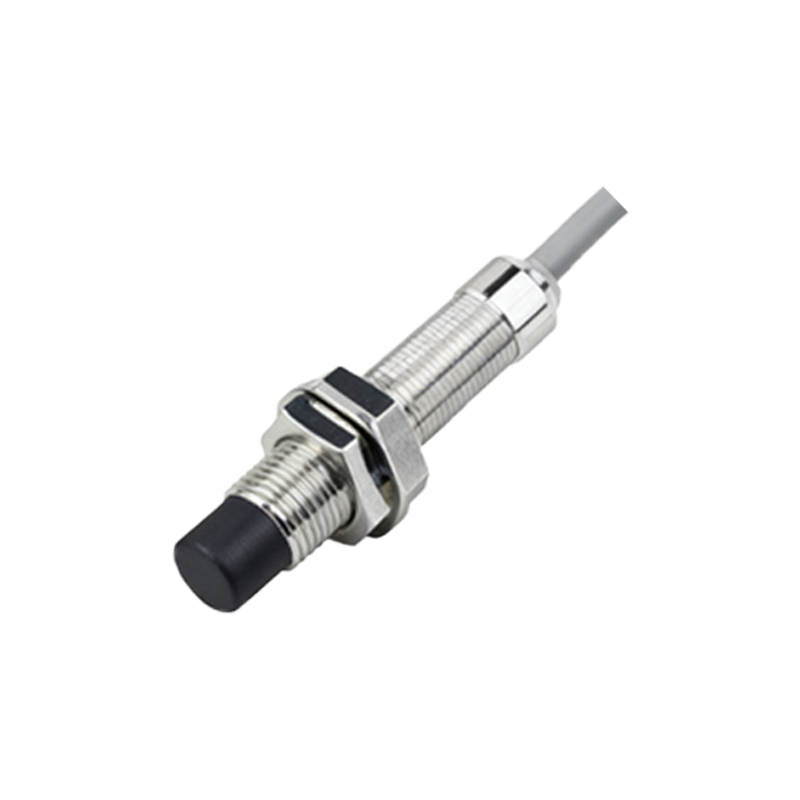
Technologically, these sensors have evolved significantly. Traditional mechanical limit switches, which physically actuate when a door reaches its closed position, are still in use on many aircraft due to their proven reliability. However, newer generations increasingly employ non-contact sensors. Inductive proximity sensors, for instance, detect the presence of the metallic door latch or bolt without physical contact, reducing wear and tear. Hall-effect sensors use magnetic fields to determine the position of a target, offering high precision in harsh environments. These solid-state options provide enhanced durability, resistance to contamination, and often more detailed diagnostic data for maintenance systems.
The operational impact extends beyond basic safety. During turnaround operations on the ground, accurate door status is crucial for efficient workflow. Ground crew rely on visual or system-indicated confirmation that doors are properly closed before signaling for pushback. Malfunctioning or misleading sensor data can lead to delays, as operations must halt for manual verification. In the context of Maintenance, Repair, and Overhaul (MRO), these sensors are key diagnostic points. Data from smart sensors can be fed into the aircraft's health monitoring network, predicting potential failures before they occur and scheduling proactive maintenance, thereby increasing aircraft availability.
Regulatory bodies like the Federal Aviation Administration (FAA) and the European Union Aviation Safety Agency (EASA) mandate stringent requirements for door warning systems, implicitly governing the performance of proximity sensors. Their design, installation, and testing must adhere to rigorous standards to ensure fail-safe operation. A false "door closed" signal is considered an extremely hazardous condition. Therefore, sensor systems often incorporate redundancy or designed failure modes that default to a "door open" or "unsafe" indication in the cockpit, erring always on the side of caution.
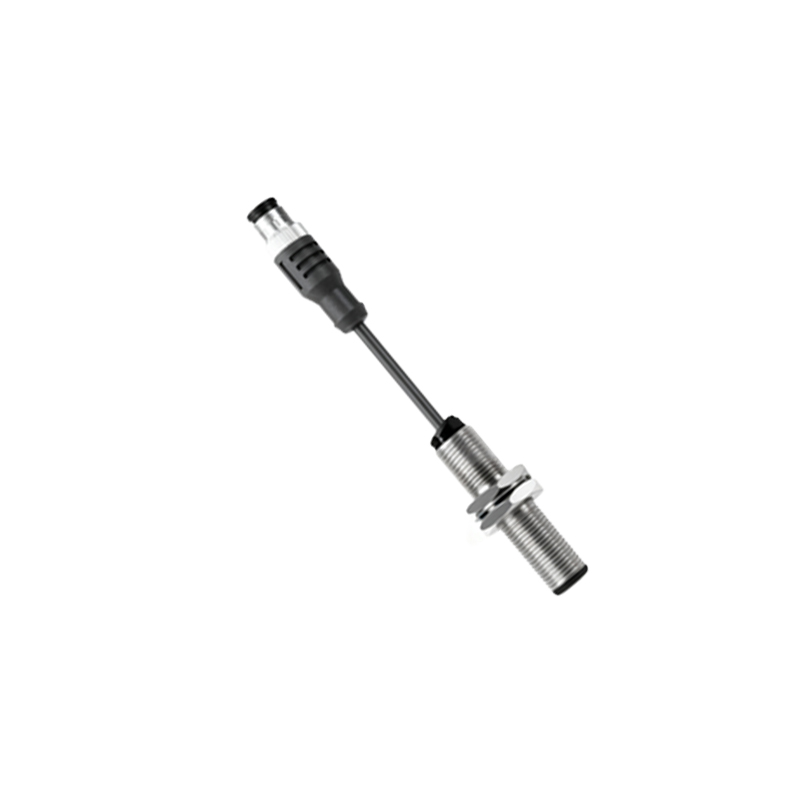
Common challenges associated with door proximity sensors include environmental factors like moisture ingress, extreme temperature fluctuations, and physical damage from baggage loaders or ground equipment. Contamination by dirt, de-icing fluid, or other foreign objects can also impede sensor operation. Regular maintenance checks, including functional tests during pre-flight procedures and detailed inspections during scheduled maintenance, are essential to ensure ongoing reliability. Technicians use specialized tools to simulate door positions and verify the sensor's electrical output aligns with the physical reality.
Looking forward, the integration of door proximity sensors into the broader Internet of Things (IoT) ecosystem of the "smart airport" is a developing trend. Real-time door status could be communicated directly to ground operation controllers, streamlining turnaround processes. Enhanced sensors with wireless capabilities could simplify installation and maintenance. However, any advancement will continue to be underpinned by the non-negotiable principle of aviation safety: providing a definitive, reliable answer to the simple but critical question, "Is the door securely closed?"
In conclusion, aircraft door proximity sensors exemplify how a focused technological solution addresses a fundamental safety need. They bridge the physical action of closing a door with the electronic central nervous system of the aircraft. Their consistent and accurate performance is a cornerstone of safe departures and arrivals, a small component bearing a significant responsibility in the complex ballet of global aviation.