Proximity sensors are the unsung heroes of modern industrial automation. These non-contact devices detect the presence or absence of objects, enabling critical functions in assembly lines, robotic arms, packaging systems, and safety interlocks. However, their reliability is paramount, and one of the most common yet preventable issues is sensor blockage or obstruction. When a proximity sensor is blocked, it fails to detect targets accurately, leading to machine downtime, production errors, and potential safety hazards. Understanding the causes and implementing robust prevention strategies is essential for maintaining operational efficiency.
The primary culprits behind blocked proximity sensors are environmental contaminants. In manufacturing settings, sensors are exposed to a relentless assault of dust, metal shavings, oil mist, coolant fluids, and grease. Inductive sensors, commonly used for metal detection, can accumulate conductive swarf that creates a false "target present" signal. Capacitive sensors, sensitive to a wider range of materials, can be triggered by build-up of dirt or moisture on their face. Even optical and ultrasonic sensors have their lenses or transducers obscured by grime, scattering or absorbing their signals. This contamination doesn't happen overnight; it’s a gradual process where performance degrades until a complete failure occurs.
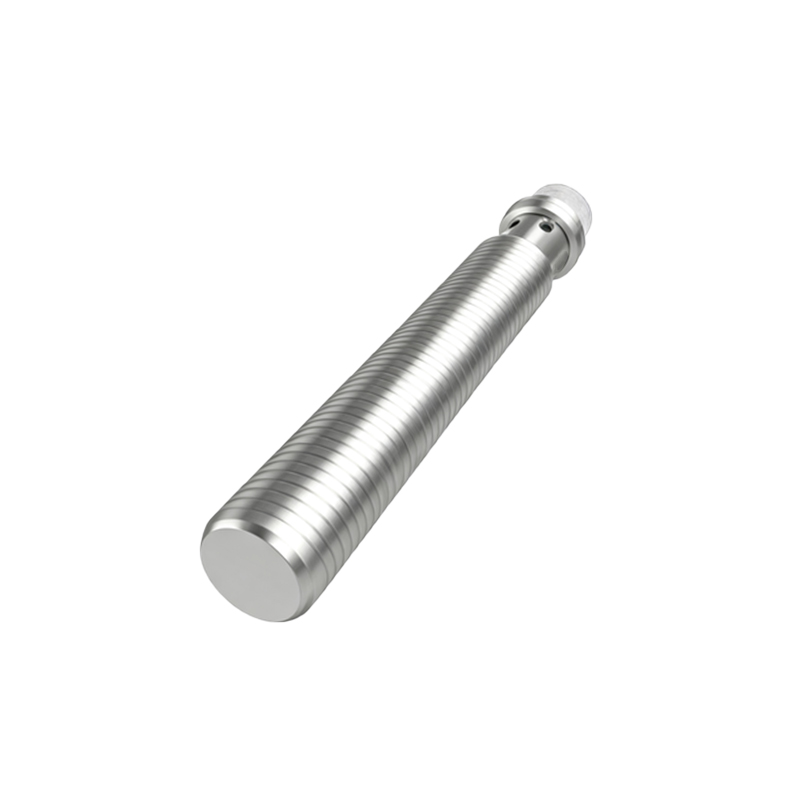
Beyond contamination, physical damage is a direct path to blockage. Incorrect installation, where sensors are placed too close to moving parts or in the path of falling debris, can lead to impact damage that cracks housings or misaligns sensing elements. Welding spatter is a notorious offender, as molten metal droplets can permanently fuse to the sensor face. In high-vibration environments, mounting hardware can loosen, shifting the sensor's position and potentially exposing it to new sources of interference or physical contact.
Preventing these issues requires a multi-layered approach, starting with sensor selection. Choosing the right sensor for the environment is the first line of defense. For areas heavy with dust or non-metallic debris, a sensor with a high IP (Ingress Protection) rating, such as IP67 or IP69K, is crucial. These ratings guarantee protection against dust ingress and high-pressure water jets, which also helps in washdown areas. For environments with conductive chips, selecting a "flush-mountable" inductive sensor is wise. These sensors allow metal shavings to slide off their face rather than building up. In applications with heavy oil or coolant, specifying sensors with chemical-resistant housings and sealed connections prevents fluid ingress.
Proper installation and mounting cannot be overstated. Sensors should be positioned to avoid the direct line of fallout from processes like machining or welding. Using protective brackets or shrouds can deflect debris. Ensuring a secure mount with lock washers or thread-locking compounds prevents loosening from vibration. Maintaining the recommended sensing distance is also vital; placing a sensor too close to its target increases the risk of collision and accumulation of material in the gap.
Routine maintenance is the cornerstone of long-term reliability. Establishing a periodic inspection and cleaning schedule is non-negotiable. The frequency depends on the severity of the environment—a woodworking shop may require daily checks, while a clean room might only need monthly inspections. Cleaning should be done with appropriate tools: soft brushes for dust, lint-free cloths for lenses, and approved cleaning solvents that won't damage the sensor housing or seals. It’s critical to follow the manufacturer's guidelines to avoid inadvertently harming the sensor.
For extreme environments, additional protective accessories are invaluable. Commercial sensor guards or protective caps made of durable plastic or metal can shield the sensing face from direct impact and spatter while allowing the signal to pass through. For welding applications, specialized spatter guards are available. In high-dust areas, installing a small, directed air purge nozzle near the sensor can create a positive air flow that keeps the face clean. For critical applications, implementing a diagnostic monitoring system can provide early warnings. Many modern sensors offer built-in diagnostics or IO-Link functionality, which can report signal strength, operating temperature, and contamination warnings to the control system, allowing for predictive maintenance before a failure stops the line.
Ultimately, preventing proximity sensor blockage is not a one-time task but an integrated part of machine design and facility maintenance culture. By selecting robust sensors, installing them intelligently, protecting them proactively, and maintaining them diligently, manufacturers can ensure these vital components perform reliably. This proactive approach minimizes unplanned downtime, reduces maintenance costs, and safeguards both product quality and worker safety, ensuring that the silent sentinels of automation continue to function flawlessly.