In the realm of industrial automation and control systems, the reliable detection of objects and measurement of position or speed is paramount. Two fundamental components that serve these critical functions are proximity switches and magneto-electric sensors. While their end goal—providing a control signal—may seem similar, their underlying operating principles, construction, and ideal applications differ significantly. This article delves into the technical specifics of both sensor types, offering a clear comparison to guide proper selection and implementation.
Proximity Switches: Non-Contact Object Detection
Proximity switches, often simply called proximity sensors, are non-contact devices designed to detect the presence or absence of a target object within a specified sensing range without any physical contact. They achieve this by emitting an electromagnetic field or a beam of electromagnetic radiation and looking for changes in the field or return signal. The most common types are inductive, capacitive, and photoelectric.
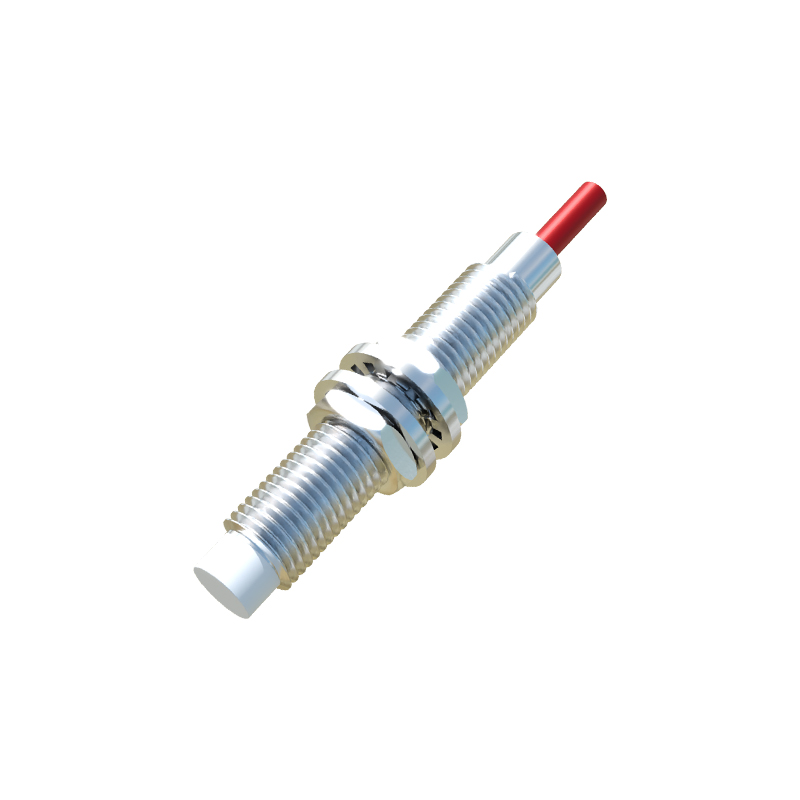
Inductive Proximity Switches: These are the workhorses of metal detection. They generate an oscillating electromagnetic field from a coil in the sensor face. When a conductive metal target enters this field, eddy currents are induced in the target, which dampens the oscillation amplitude of the sensor. This change is detected by the internal circuitry, which triggers a solid-state output switch (typically PNP or NPN). Inductive sensors are robust, resistant to environmental contaminants like dust and oil, and are ideal for detecting ferrous and non-ferrous metals. Their sensing range is relatively short, typically a few millimeters to several tens of millimeters, and is influenced by the target metal's properties and size.
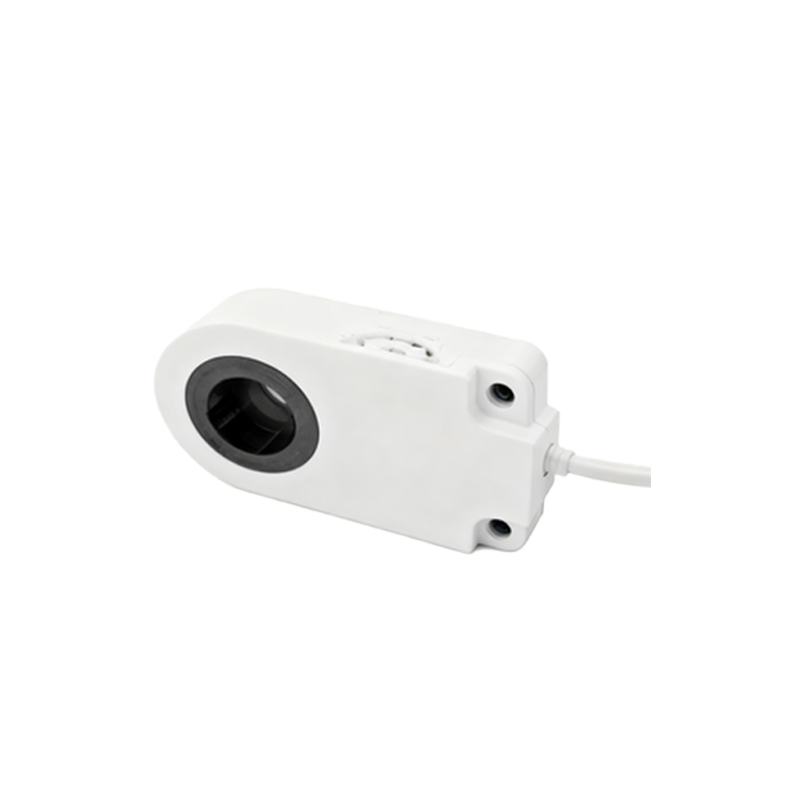
Capacitive Proximity Switches: These sensors can detect both metallic and non-metallic materials, including liquids, plastics, glass, and wood. They function by generating an electrostatic field. When any object with a dielectric constant different from air enters this field, it changes the capacitance of the circuit, which is detected to trigger an output. Capacitive sensors are perfect for level detection in tanks (liquids or granules), detecting non-metallic objects, or seeing through certain packaging materials. They can be more susceptible to environmental factors like humidity.
Photoelectric Proximity Switches: These use light, typically infrared or laser, to detect objects. They consist of an emitter and a receiver. In the through-beam type, the object breaks the light beam between separate units. In the retro-reflective type, the object breaks the beam reflected from a reflector. In the diffuse (proximity) type, the sensor detects light reflected directly from the object itself. Photoelectric sensors offer the longest sensing ranges (up to many meters) and can detect virtually any object, but their performance can be affected by ambient light, color, and surface reflectivity of the target.
Magneto-Electric Sensors: Harnessing Magnetic Fields
Magneto-electric sensors, more commonly referred to as magnetic sensors or magnetic pickups, operate on the principle of electromagnetic induction. They do not require an external power source to generate their fundamental signal. A classic example is the passive magnetic speed sensor.
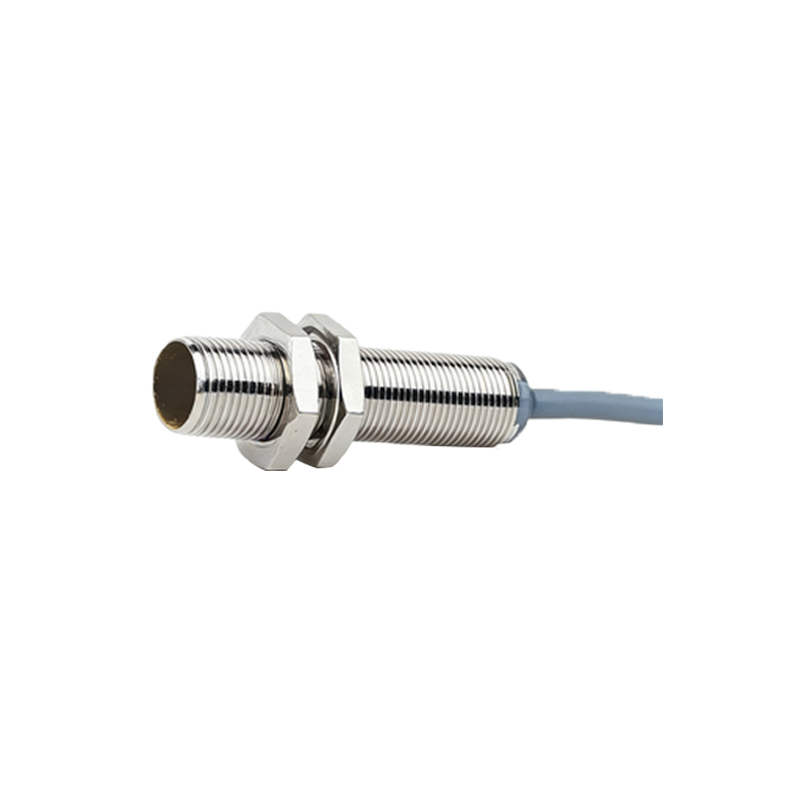
This type of sensor typically consists of a permanent magnet and a coil of wire wound around a pole piece. When a ferromagnetic target (like a gear tooth, keyway, or bolt head) moves through the magnetic field, it changes the magnetic flux through the coil. This change in flux induces a voltage (AC signal) in the coil. The frequency of this AC signal is directly proportional to the speed of the target, and the amplitude is generally proportional to both the speed and the proximity of the target.
Key characteristics of passive magneto-electric sensors include:
Self-Powered Signal Generation: They produce an analog voltage signal without requiring an external power supply for operation, though the signal often needs conditioning.
Robustness: With no active electronics in basic forms and simple construction, they are highly resistant to extreme temperatures, vibration, and harsh environments.
Zero-Speed Detection: They can detect very low speeds, down to zero RPM, as long as there is some target movement to change the flux.
Output Signal: The output is a sine wave (or near-sine wave) whose frequency corresponds to speed. This signal requires interpretation by a monitoring device like a tachometer or PLC high-speed counter.
Active versions, such as Hall-effect sensors, are also magneto-electric. They require an external power supply and output a clean digital square wave when a magnetic field threshold is exceeded, making them suitable for precise position and speed sensing.
Comparative Analysis and Selection Criteria
Choosing between a proximity switch and a magneto-electric sensor depends on the application's specific requirements.
Target Material: For non-metallic objects, capacitive or photoelectric proximity switches are necessary. For metals