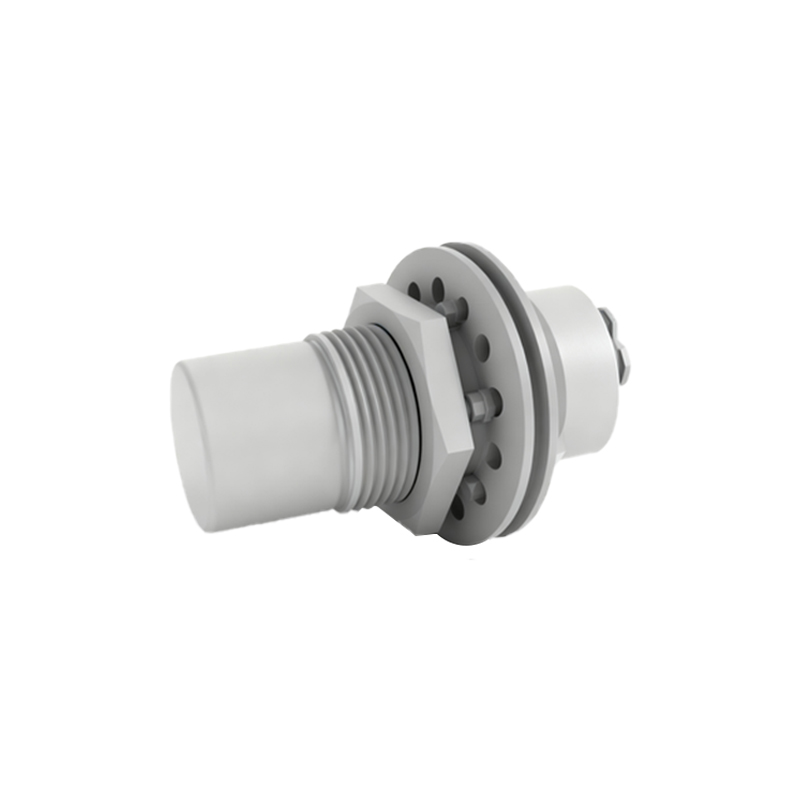
In the realm of industrial automation and electronic control systems, the 12V proximity sensor stands as a fundamental component, enabling precise, non-contact detection of objects. Operating on a 12-volt direct current (DC) power supply—a common standard in automotive, robotics, and low-voltage industrial applications—these sensors offer reliability, efficiency, and versatility. Unlike mechanical switches that require physical contact, proximity sensors use electromagnetic fields, infrared light, or ultrasonic waves to detect the presence, absence, or position of metallic or non-metallic targets without direct interaction. This non-contact nature minimizes wear and tear, reduces maintenance needs, and enhances operational longevity, making them indispensable in environments where durability and accuracy are paramount.
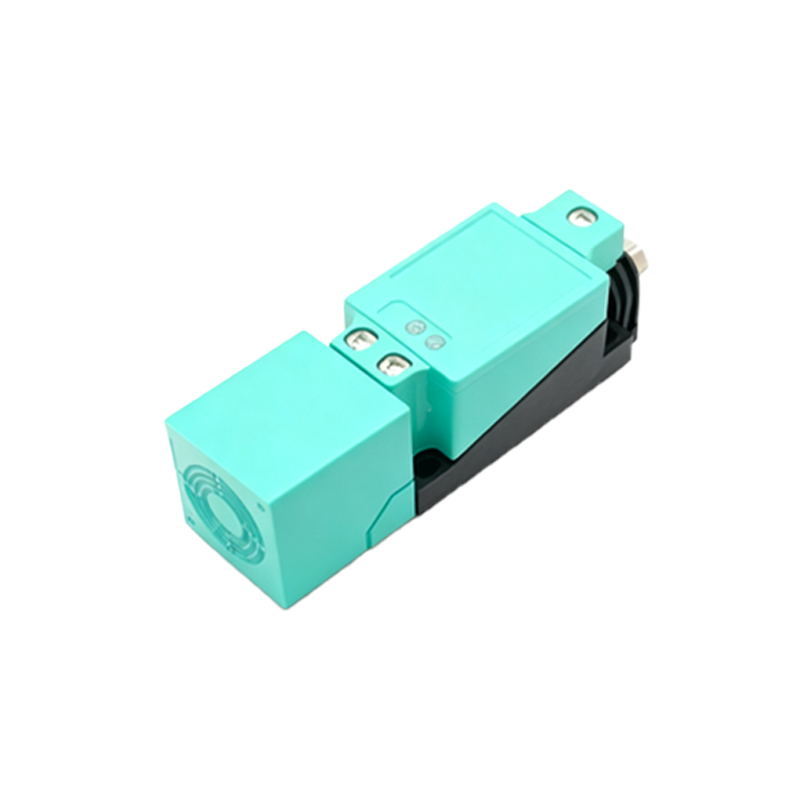
The core function of a 12V proximity sensor is to act as an electronic switch, triggering an output signal when an object enters its sensing range. Typically, these sensors are classified into inductive, capacitive, and photoelectric types, each suited for specific materials and conditions. Inductive sensors, for instance, detect ferrous metals like iron or steel by generating an oscillating electromagnetic field. When a metal object disrupts this field, the sensor's internal circuit changes, sending a 12V signal to a controller, such as a programmable logic controller (PLC) or microcontroller. This signal can then initiate actions like stopping a conveyor belt, counting parts on an assembly line, or activating safety mechanisms. Capacitive sensors, on the other hand, can detect both metallic and non-metallic materials, including liquids and plastics, by measuring changes in capacitance, making them ideal for level sensing or material handling. Photoelectric sensors use light beams to detect objects, offering longer ranges and suitability for transparent or colored items.
In practical applications, 12V proximity sensors are widely utilized across various industries due to their compatibility with standard 12V DC systems found in vehicles, battery-powered equipment, and control panels. In automotive manufacturing, they monitor component positioning, ensure proper alignment in robotic welding, or detect door closures for safety interlocks. In logistics and packaging, sensors count products, verify fill levels, or guide automated guided vehicles (AGVs) along predefined paths. For home automation and security systems, 12V sensors provide motion detection for lighting control or intrusion alarms, leveraging their low power consumption and easy integration with existing 12V circuits. Additionally, in harsh environments—such as those with dust, moisture, or temperature fluctuations—sealed or ruggedized 12V proximity sensors maintain performance, thanks to their solid-state design and lack of moving parts.
When selecting a 12V proximity sensor, engineers consider factors like sensing distance, response time, output type (e.g., NPN or PNP transistor outputs), and environmental ratings. A typical sensing range varies from a few millimeters to several centimeters, with faster response times enabling high-speed applications like sorting or precision machining. The 12V power requirement aligns with many standard power supplies, reducing the need for additional voltage converters and simplifying system design. Moreover, these sensors often feature LED indicators for diagnostics, allowing quick troubleshooting and minimizing downtime in production lines.
Despite their advantages, challenges such as electrical interference or material-specific limitations may arise. For example, inductive sensors might not detect non-metallic objects, while photoelectric sensors could be affected by ambient light. However, advancements in technology have led to more robust designs with improved immunity to noise and broader material compatibility. Regular calibration and adherence to manufacturer guidelines ensure optimal performance.
In summary, the 12V proximity sensor is a critical enabler of automation, offering a blend of simplicity, reliability, and adaptability. By providing accurate, contactless detection in 12V DC systems, it supports efficiency and safety across diverse fields, from factory floors to smart devices. As industries continue to embrace automation and IoT integration, the demand for these sensors is poised to grow, driven by their essential role in enhancing operational intelligence and control.