In the realm of industrial automation and control systems, proximity sensors are indispensable components for non-contact detection of objects. Among the various configurations available, the 3-wire NPN normally open (NO) proximity sensor stands out for its widespread use, particularly in applications requiring precise and reliable sensing. This article delves into the operational principles, wiring methodologies, key advantages, and typical application scenarios of these sensors, providing a comprehensive overview for engineers and technicians.
A 3-wire NPN NO proximity sensor operates on the principle of electromagnetic field generation and detection. It typically consists of an oscillator, a detection coil, and a solid-state output circuit. When a metallic object enters the sensor's active field, it induces eddy currents, causing a change in the oscillation amplitude. This change is detected by the sensor's circuitry, which then triggers the output switch. The "NPN" designation refers to the type of transistor used in the output stage—specifically, an NPN bipolar junction transistor. In this configuration, the output acts as a switching element to ground (common negative). The "normally open" (NO) characteristic means that in the absence of a target, the output circuit is open (high impedance), and it closes (switches to a low impedance state, connecting the output to ground) when a target is detected.
Wiring a 3-wire NPN NO sensor is straightforward, but adherence to correct connections is crucial for safe and optimal performance. The three wires are universally color-coded: brown for positive supply voltage (typically +10 to +30 VDC), blue for the common ground (0V), and black for the output signal. To wire the sensor, connect the brown wire to the positive terminal of the DC power supply and the blue wire to the negative terminal. The black output wire is connected to the load (such as a programmable logic controller input, relay coil, or indicator lamp). The other terminal of the load must then be connected to the positive supply voltage. This creates a circuit where, upon target detection, the NPN transistor sinks current from the load to ground, effectively completing the circuit and activating the load. It is imperative to ensure the power supply voltage matches the sensor's specifications and to observe proper polarity to prevent damage.
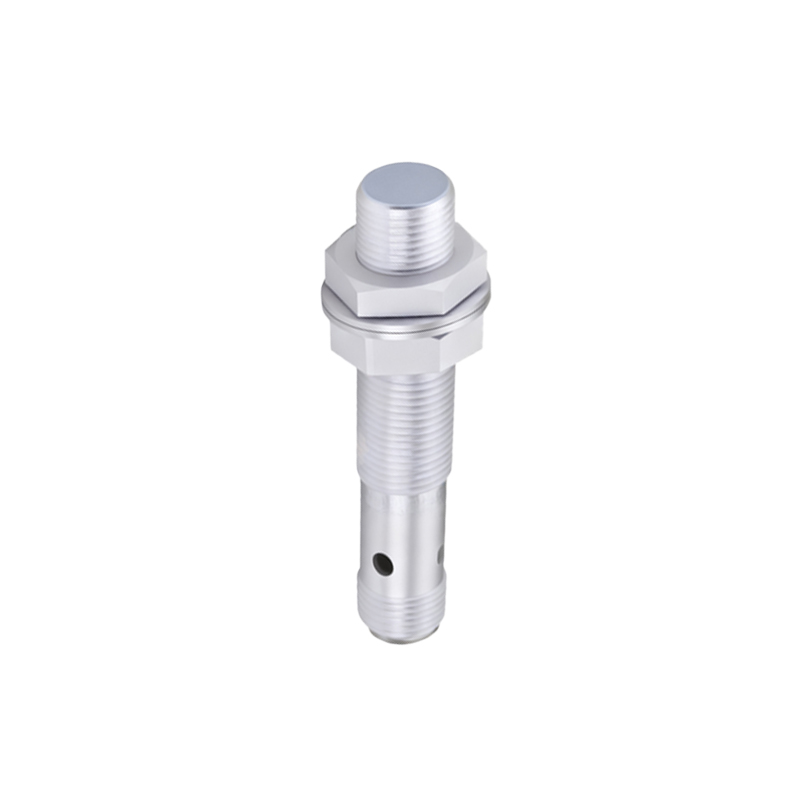
The popularity of 3-wire NPN NO proximity sensors in industrial settings is attributed to several compelling advantages. Firstly, their compatibility with standard sinking input modules of PLCs is a significant benefit, as many industrial controllers are designed to accept NPN-type signals. Secondly, the NO configuration is often preferred for safety-critical applications; a broken wire or power loss typically results in an "off" state (open circuit), which can be designed to trigger a safe machine shutdown. Furthermore, these sensors offer high switching frequencies, allowing for the detection of rapidly moving objects on production lines. They are also known for their robustness, with many models featuring rugged housings resistant to dust, moisture, and mechanical impacts, ensuring longevity in harsh environments.
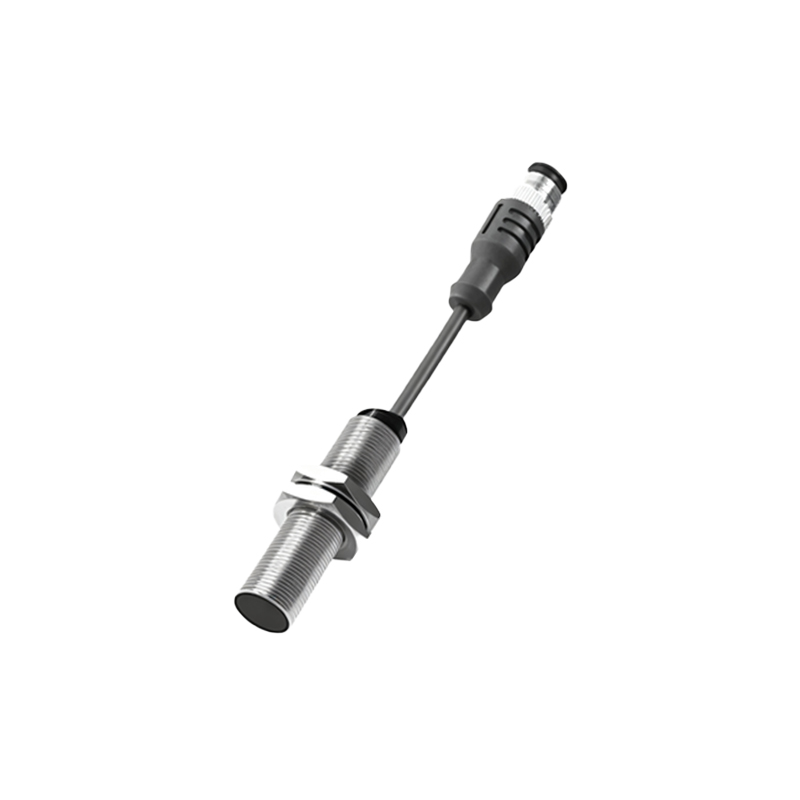
Typical applications for 3-wire NPN NO proximity sensors are vast and varied across manufacturing and processing industries. They are commonly employed for object detection on conveyor belts, such as counting bottles or detecting the presence of a workpiece. In automated assembly lines, they verify the correct positioning of components. They also serve as end-of-travel limit switches in machinery, confirming whether a cylinder is fully extended or retracted. Additionally, their use in packaging machinery for detecting foil or metal lids, and in automotive manufacturing for robotic arm positioning, underscores their versatility. When selecting a sensor for a specific application, factors like sensing distance, target material (usually ferrous or non-ferrous metals), housing style (cylindrical, rectangular), and environmental conditions (temperature, exposure to chemicals) must be carefully considered.
In conclusion, the 3-wire NPN normally open proximity sensor is a fundamental and highly reliable component in modern industrial automation. Its simple wiring, compatibility with common control systems, and inherent safety features of the NO design make it a go-to choice for engineers. A thorough understanding of its operation, correct installation practices, and appropriate application selection are key to leveraging its full potential for enhancing efficiency, safety, and reliability in automated processes. As technology advances, these sensors continue to evolve with improved precision and connectivity features, solidifying their role as critical elements in the Industrial Internet of Things (IIoT) landscape.