In the realm of industrial automation and electronic control systems, proximity sensors and micro sensors stand as pivotal components, driving efficiency, safety, and precision across diverse applications. These devices, often operating silently behind the scenes, are fundamental to modern manufacturing, robotics, automotive engineering, and consumer electronics. This article delves into their principles, types, and critical roles in contemporary technology.
Proximity sensors are non-contact devices designed to detect the presence or absence of an object within a specific range without physical contact. They work based on various physical principles, including electromagnetic, capacitive, and optical methods. Inductive proximity sensors, for instance, generate an electromagnetic field to detect metallic objects, making them ideal for harsh industrial environments where durability is paramount. Capacitive sensors, on the other hand, can sense both metallic and non-metallic materials by measuring changes in capacitance, often used in liquid level detection or material handling. Optical proximity sensors utilize light beams, such as infrared or laser, to identify objects, offering high precision in applications like assembly line automation or obstacle avoidance in robotics.
Micro sensors, a subset of sensor technology, refer to miniaturized devices that integrate sensing, processing, and communication capabilities on a small scale. These sensors are typically fabricated using microelectromechanical systems (MEMS) technology, enabling them to be compact, energy-efficient, and cost-effective. Micro sensors are revolutionizing fields like healthcare, where they monitor vital signs in wearable devices, or in automotive systems, where they enhance safety through airbag deployment and tire pressure monitoring. Their small size allows for seamless integration into Internet of Things (IoT) networks, facilitating real-time data collection and smart decision-making in smart homes and industrial IoT setups.
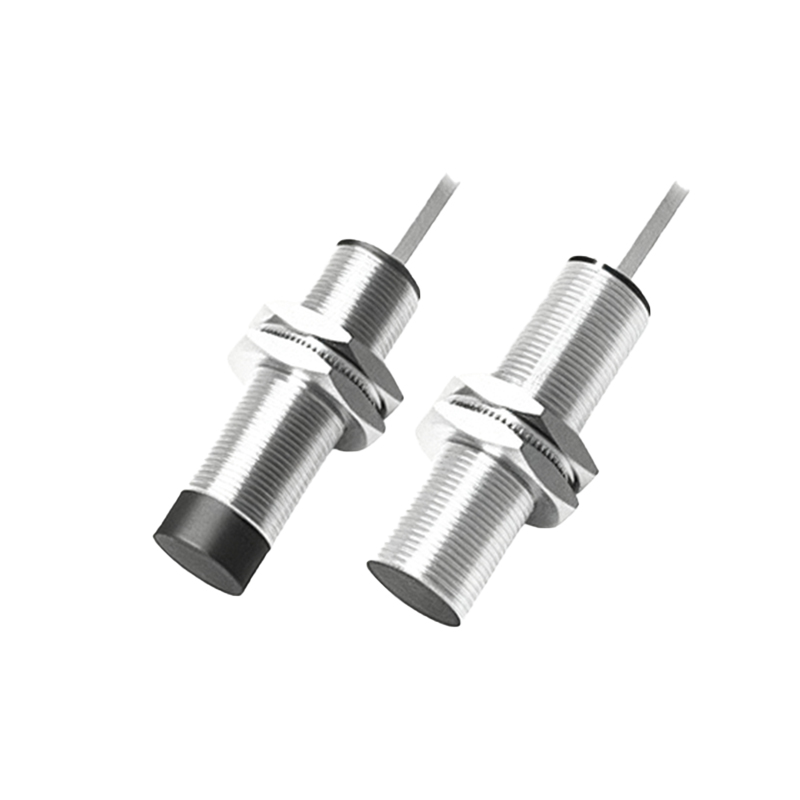
The synergy between proximity sensors and micro sensors is evident in advanced automation systems. For example, in robotic arms used in automotive assembly, inductive proximity sensors ensure precise positioning of components, while micro accelerometers and gyroscopes provide feedback for smooth motion control. This combination reduces errors, minimizes downtime, and boosts productivity. In consumer electronics, smartphones employ both types: proximity sensors detect when the phone is near the user's ear to turn off the display during calls, and micro sensors like ambient light sensors adjust screen brightness for optimal viewing.
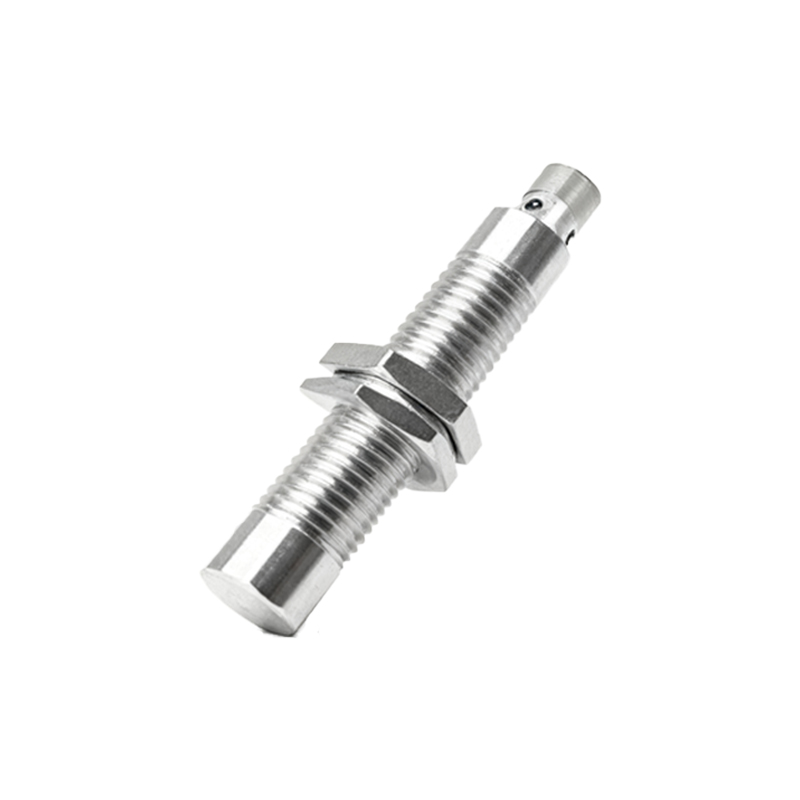
Key considerations when selecting these sensors include detection range, response time, environmental resilience, and power consumption. Industrial applications often demand sensors with high immunity to dust, moisture, and temperature fluctuations, whereas consumer-grade devices prioritize miniaturization and low energy use. Innovations in materials science and nanotechnology are pushing boundaries, leading to sensors with enhanced sensitivity and multifunctionality. For instance, graphene-based sensors offer superior conductivity and flexibility, opening new avenues in flexible electronics and biomedical monitoring.
Despite their advantages, challenges persist. Proximity sensors may face interference from external electromagnetic fields, requiring shielding or advanced filtering techniques. Micro sensors, while versatile, can be sensitive to manufacturing variances, necessitating rigorous calibration. However, ongoing research in artificial intelligence and machine learning is addressing these issues by enabling adaptive sensor systems that self-optimize based on operational data.
In conclusion, proximity sensors and micro sensors are indispensable in today's automated world, bridging the gap between physical objects and digital control systems. As industries evolve towards greater connectivity and autonomy, these sensors will continue to play a crucial role in enabling smarter, more responsive technologies. Engineers and designers must stay abreast of emerging trends to leverage their full potential, ensuring robust and innovative solutions for future challenges.