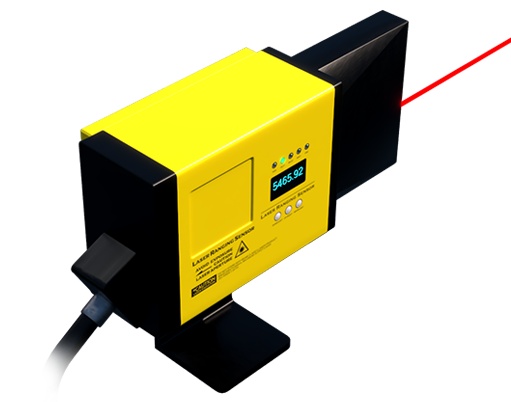
In the demanding environment of underground mining, ensuring air quality and worker safety is paramount. Among the critical technologies deployed for this purpose, the laser dust sensor stands out as a sophisticated and reliable solution for continuous particulate matter monitoring. This article delves into the operational principles, key advantages, application scenarios, and selection criteria for these essential devices in the mining industry.
At its core, a mine laser dust sensor operates on the principle of laser scattering. A stable laser diode emits a focused beam of light into a sampling chamber. As airborne dust particles are drawn into this chamber, they intersect the laser path, scattering light in various directions. A strategically positioned photodetector then measures the intensity of this scattered light. The intensity is directly proportional to the concentration of dust particles within the sampled air volume. Advanced signal processing algorithms convert this optical signal into precise, real-time mass concentration readings, typically for PM1, PM2.5, and PM10 fractions. This method, known as light scattering or optical particle counting, provides high sensitivity and rapid response times, crucial for dynamic mining atmospheres.
The adoption of laser-based sensors in mining offers significant advantages over traditional gravimetric or light-dependent resistor (LDR) methods. Firstly, they provide real-time, continuous data, enabling immediate awareness of changing dust conditions. This is vital for triggering ventilation adjustments or evacuation protocols before concentrations reach dangerous levels. Secondly, their high precision and sensitivity allow for the detection of low concentrations of respirable crystalline silica (RCS) dust, a major health hazard linked to silicosis. Thirdly, modern laser dust sensors are designed for robustness. They feature rugged, often explosion-proof housings rated for mining use (e.g., ATEX or MSHA certifications), resistant to vibrations, humidity, and corrosive gases commonly found underground. Furthermore, their digital outputs facilitate seamless integration into broader mine-wide monitoring and automation systems, enabling centralized data logging, trend analysis, and automated control loops.
Primary applications within a mine are extensive. They are indispensable in active working faces, such as longwall and continuous miner sections, where cutting and extraction generate the highest dust levels. They are also deployed along conveyor transfer points, at crusher stations, and in strategic locations within ventilation airways to monitor dust propagation. Beyond operational areas, these sensors protect personnel in refuge chambers and control rooms by ensuring breathable air quality. Their data is critical for compliance with stringent occupational health and safety regulations, providing an auditable record of exposure levels.
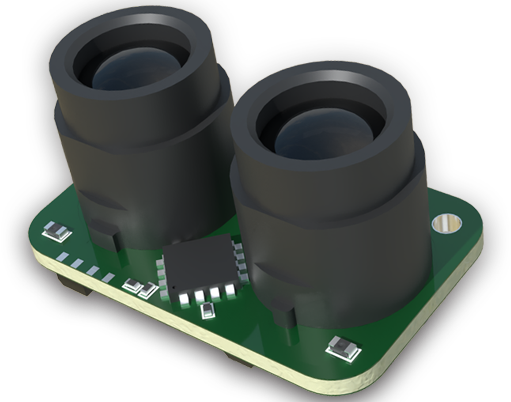
Selecting the appropriate laser dust sensor requires careful consideration of several technical and environmental factors. Key specifications include the measurement range (ensuring it covers both background and peak expected concentrations), particle size detection capabilities (focusing on respirable fractions), and the required accuracy. The device's intrinsic safety rating is non-negotiable for gassy mines. Environmental durability against high humidity and potential water ingress (IP rating) is essential. Equally important is the sensor's maintenance cycle; models with self-cleaning mechanisms or easy-access calibration features reduce downtime. Finally, compatibility with existing communication protocols (like 4-20mA, Modbus, or wireless mesh networks) ensures smooth system integration.
In conclusion, the mine laser dust sensor is a technological cornerstone of modern mining safety and operational efficiency. By delivering accurate, real-time particulate data, it empowers mine operators to proactively manage dust, protect worker health, ensure regulatory compliance, and optimize ventilation energy usage. As sensor technology advances, we can expect even greater integration with predictive analytics and IoT platforms, further enhancing the intelligence and safety of mining operations. Investing in high-quality, application-specific laser dust monitoring is not just a regulatory step but a fundamental commitment to sustainable and responsible mining.