In modern industrial automation systems, proximity sensors play a critical role in detecting the presence or absence of objects without physical contact. These sensors are widely used in manufacturing, packaging, robotics, and automotive assembly lines. To ensure their reliability and accuracy, a dedicated proximity sensor test bench is essential for quality control, calibration, and performance validation. This article explores the design principles, key components, and practical applications of such test benches in industrial settings.
A proximity sensor test bench typically consists of several integrated modules: a mechanical fixture system, a motion control unit, a signal processing interface, and a data acquisition system. The mechanical fixture holds the sensor securely while allowing precise positioning relative to a target object. The motion control unit, often driven by servo motors or linear actuators, simulates real-world conditions by moving the target at varying speeds and distances. This setup enables engineers to test parameters such as sensing range, repeatability, hysteresis, and response time under controlled environments.
The core of the test bench is the signal processing interface, which interprets the sensor's output signals—whether they are digital (PNP/NPN) or analog (4-20 mA, 0-10 V). Advanced test benches incorporate programmable logic controllers (PLCs) or industrial PCs to automate test sequences, reducing human error and increasing throughput. Data acquisition systems record measurements in real-time, generating detailed reports on sensor performance. These reports help identify deviations from specifications, such as drift in detection distance or inconsistent switching behavior, allowing for timely adjustments or replacements.
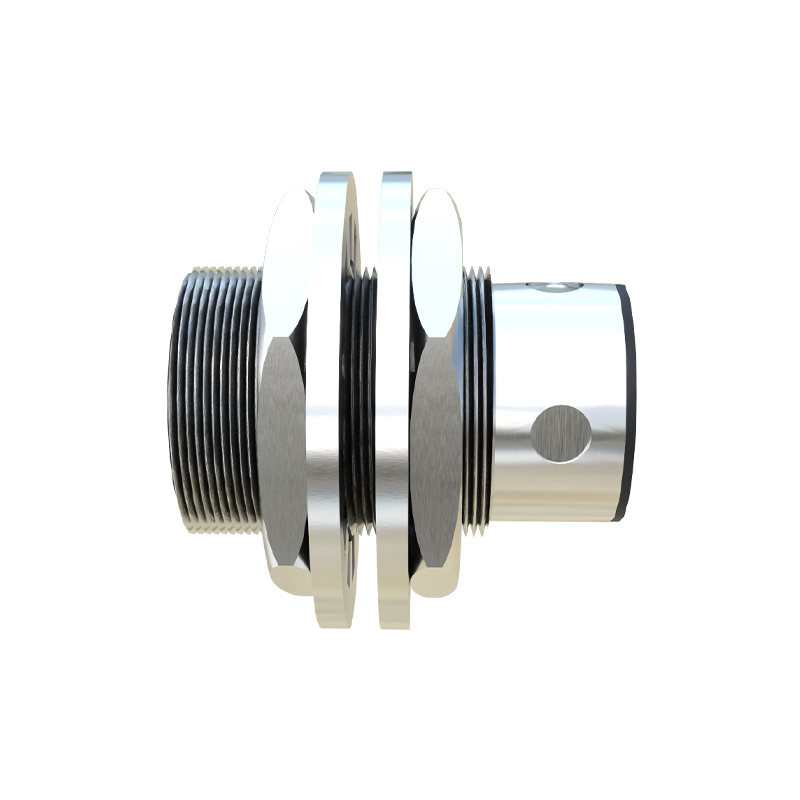
When designing a test bench, engineers must consider factors like environmental conditions (e.g., temperature, humidity, electromagnetic interference) and sensor types (inductive, capacitive, or magnetic). For instance, inductive sensors require metallic targets for testing, while capacitive sensors can detect non-metallic materials. The test bench should be adaptable to multiple sensor models to maximize utility in a production line. Additionally, safety features, such as emergency stop buttons and protective enclosures, are crucial to prevent accidents during operation.
In practice, proximity sensor test benches are deployed at various stages of the manufacturing process. During R&D, they validate prototype designs; in production, they perform 100% inspection of finished sensors; and in maintenance, they diagnose field-returned units for faults. By implementing automated test benches, companies can achieve higher product consistency, reduce downtime, and comply with industry standards like ISO 9001 or IEC 60947-5-2. Case studies from automotive plants show that regular testing can extend sensor lifespan by up to 30%, lowering overall operational costs.
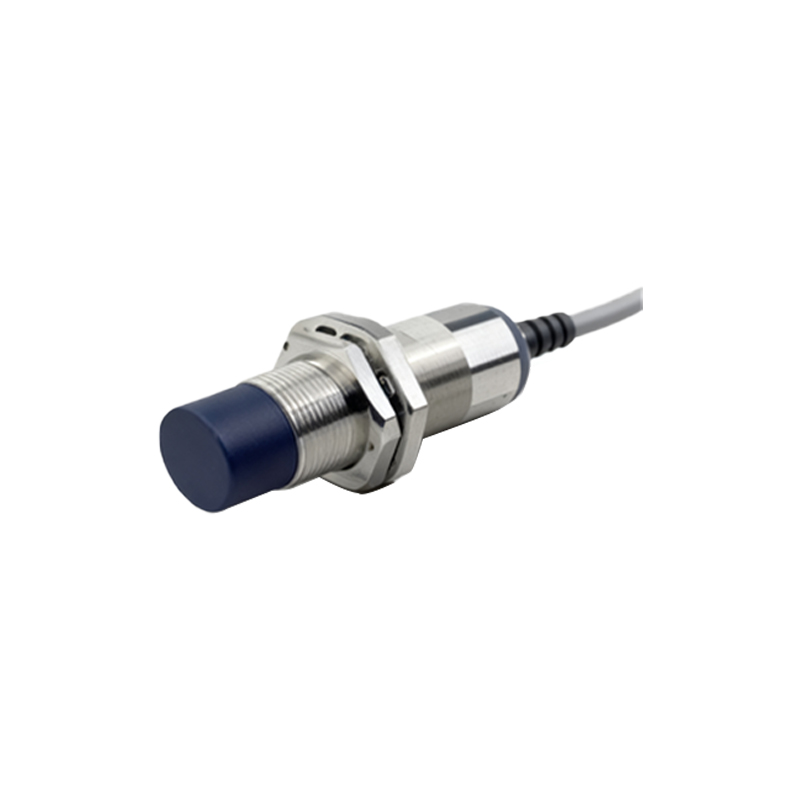
Looking ahead, trends like Industry 4.0 are driving the evolution of test benches toward smarter systems. Integration with IoT platforms enables remote monitoring and predictive maintenance, where data analytics predict sensor failures before they occur. Machine learning algorithms can further optimize test parameters based on historical performance data. As proximity sensors become more sophisticated—with features like IO-Link communication—test benches must adapt to handle digital diagnostics and parameterization, ensuring they remain relevant in future automation landscapes.
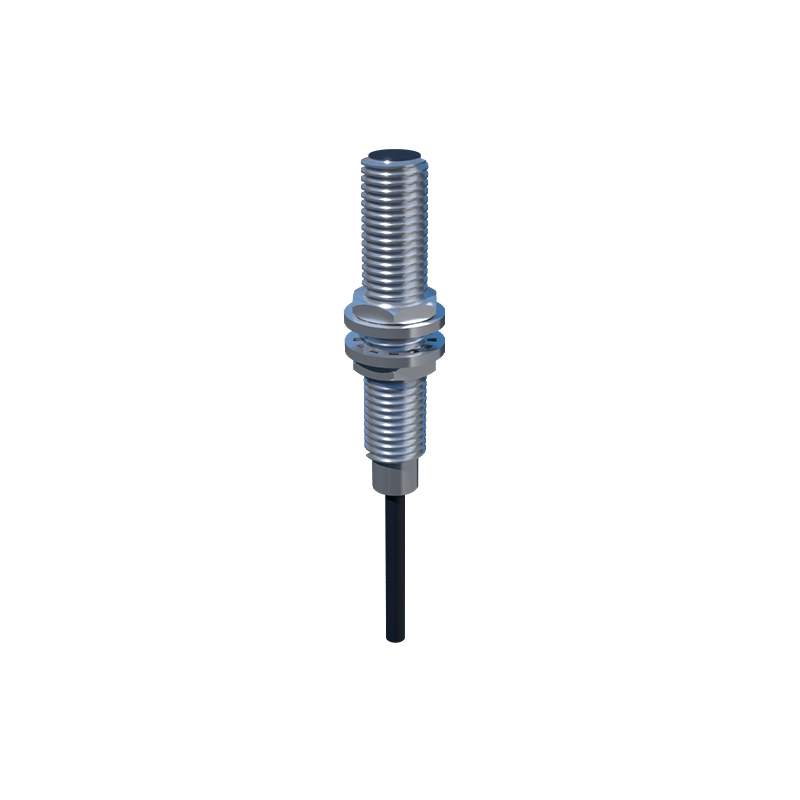
In summary, a well-designed proximity sensor test bench is indispensable for maintaining high standards in industrial automation. It combines precision engineering with advanced electronics to deliver reliable testing solutions, ultimately enhancing system efficiency and product quality. Engineers should prioritize modularity, automation, and scalability when developing these systems to keep pace with technological advancements and market demands.