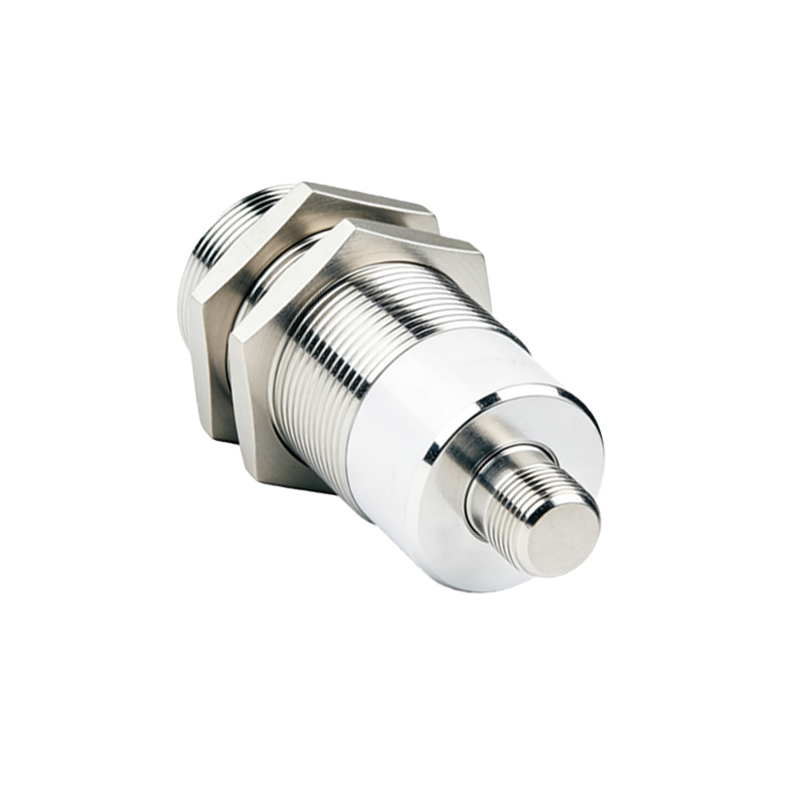
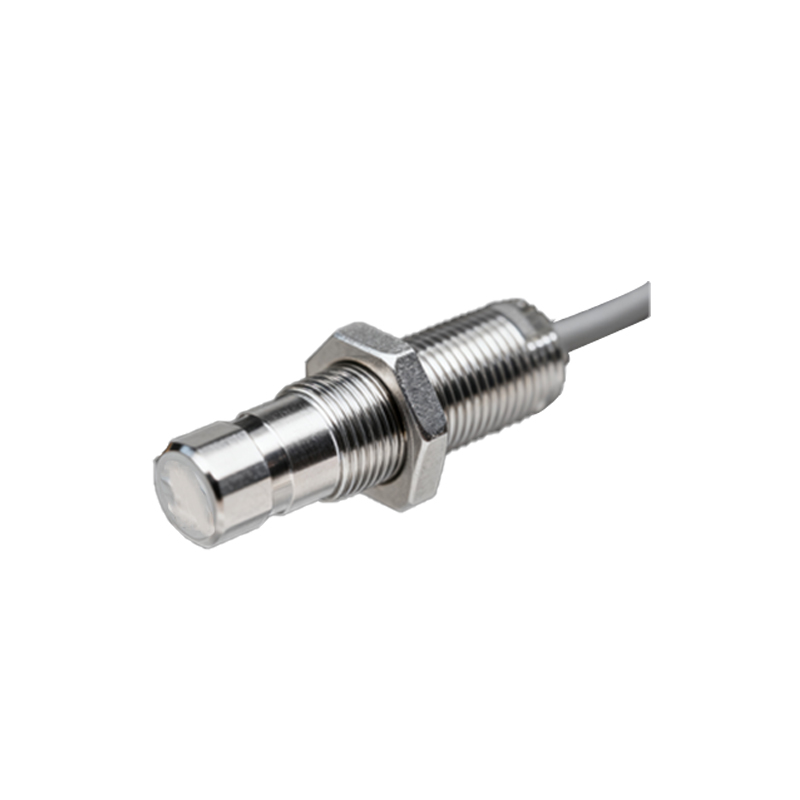
In the rapidly evolving landscape of electrical engineering and automation, the demand for precise, non-contact sensing technologies has never been greater. Among the most critical components driving this precision are proximity sensors and laser autofocus sensors. These devices, though often operating behind the scenes, are fundamental to the functionality, safety, and efficiency of countless modern systems, from consumer electronics to heavy industrial machinery.
Proximity sensors are designed to detect the presence or absence of an object within a specific range without any physical contact. They achieve this through various principles, including inductive, capacitive, ultrasonic, and photoelectric methods. Inductive sensors, for instance, generate an electromagnetic field to detect metallic objects, making them indispensable in manufacturing assembly lines for part counting, position verification, and machine safety. Capacitive sensors can detect both metallic and non-metallic materials, including liquids and granular substances, which is vital in food processing, pharmaceutical packaging, and material level monitoring. The core value lies in their reliability and durability, operating in harsh environments where dirt, oil, or vibration would compromise mechanical switches.
Laser autofocus sensors represent a more specialized and high-precision category. Primarily known for their role in smartphone cameras, their application extends far beyond consumer tech. These sensors utilize a low-power laser diode to project an invisible beam onto a target. By measuring the time it takes for the reflected light to return (Time-of-Flight or ToF principle) or by analyzing the phase shift of the beam, the sensor can calculate the exact distance to the object with remarkable accuracy, often within sub-millimeter ranges. This capability is not just for taking sharper photos. In industrial settings, laser autofocus is crucial for precision measurement, robotic guidance, 3D scanning, and quality control inspections. For example, in automated optical inspection (AOI) systems on printed circuit board (PCB) assembly lines, a laser autofocus sensor ensures the camera maintains the perfect focal distance to detect microscopic soldering defects or component misalignment, regardless of board warpage or height variations.
The synergy between these sensor types is where true engineering innovation occurs. Consider a sophisticated robotic pick-and-place system. A proximity sensor might first detect the arrival of a component tray on a conveyor belt. A laser autofocus sensor on the robotic arm then precisely measures the height and orientation of a specific component before the gripper engages, ensuring a successful and damage-free retrieval. This combination enhances speed, reduces error rates, and minimizes downtime.
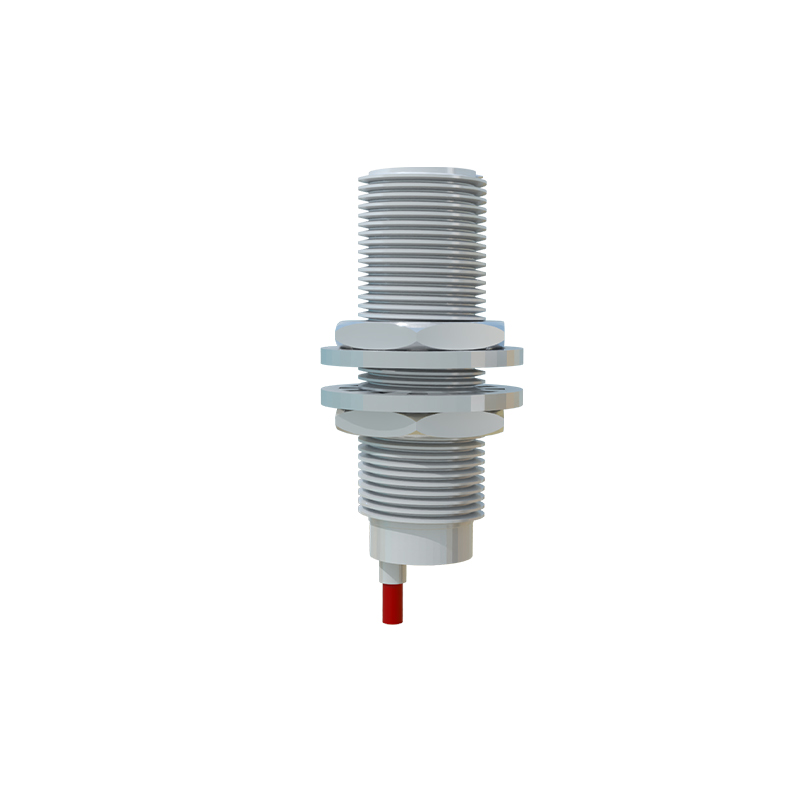
The selection criteria for engineers involve a careful analysis of several factors. Required sensing range, resolution, response time, environmental conditions (temperature, ambient light, contaminants), target material properties, and cost constraints all play a decisive role. A laser sensor offers superior accuracy and range for clear targets but may struggle with highly reflective or absorbent surfaces. An ultrasonic proximity sensor is excellent for detecting uneven surfaces or in dusty environments but has a slower response time. Understanding these nuances is key to optimal system integration.
Looking forward, the integration of these sensors with the Internet of Things (IoT) and Artificial Intelligence (AI) is set to redefine their roles. Smart sensors with embedded processing can now perform initial data analysis, communicate wirelessly, and even predict maintenance needs. A network of proximity sensors on a factory floor can provide real-time asset tracking, while AI algorithms processing data from laser scanning systems can identify complex patterns for predictive quality analysis.
In conclusion, proximity and laser autofocus sensors are far more than simple switches or camera components. They are the essential "eyes" of automated systems, providing the critical spatial data required for intelligent decision-making. Their continued development, offering greater accuracy, smaller form factors, and enhanced connectivity, will remain a cornerstone of advancement in electrical engineering, robotics, and smart manufacturing, pushing the boundaries of what automated systems can perceive and achieve.