In the landscape of industrial automation and advanced sensing technology, the term "Level 10 Infrared Proximity Sensor" represents a pinnacle of performance and reliability. This classification, while not a universal standard, is commonly used within specific engineering circles to denote sensors engineered for the most demanding applications. These devices operate on the fundamental principle of infrared (IR) light detection, but their design, components, and signal processing elevate them far beyond basic photoelectric switches.
At its core, an infrared proximity sensor functions by emitting a beam of infrared light, typically from a light-emitting diode (LED) or a laser diode. The sensor then detects the light that is reflected back from a target object. The intensity of the reflected light, or the time it takes for the light to return (in time-of-flight variants), is analyzed to determine the presence, absence, or distance of the object. A "Level 10" designation implies that every aspect of this process is optimized for extreme conditions. This begins with the IR emitter itself. These sensors utilize high-power, thermally stable IR diodes with precise wavelength control, often in ranges like 880nm or 940nm, which are less susceptible to interference from ambient light. The optical components, including lenses and filters, are of superior quality to create a focused, consistent beam and to filter out noise from other IR sources.
The true differentiator of a Level 10 sensor lies in its sophisticated signal processing and environmental compensation. Industrial environments are rife with challenges: temperature fluctuations from -40°C to 85°C, heavy dust, steam, oil mist, and intense ambient light from furnaces or welding arcs. A Level 10 sensor incorporates advanced microprocessors and algorithms designed for these adversities. It features automatic background suppression (BGS) or background evaluation (BGE) technology, which dynamically adjusts the sensing threshold to ignore distant, fixed backgrounds and only react to the target within a defined window. Furthermore, it employs temperature compensation circuits to ensure the output signal remains stable despite thermal drift in electronic components.
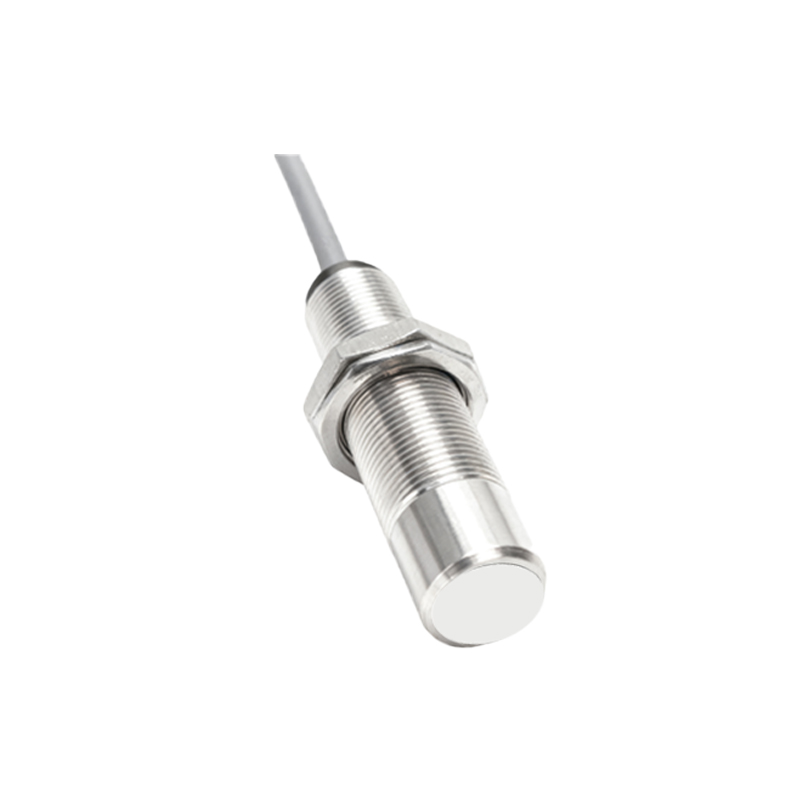
Robustness is another hallmark. The housing is typically constructed from stainless steel (e.g., V4A/AISI 316L) or high-grade industrial plastics like PBT, offering exceptional resistance to chemicals, corrosion, and physical impact. The sealing meets or exceeds IP67 and IP69K ratings, guaranteeing protection against high-pressure water jets and temporary immersion. The electrical interfaces are designed for industrial networks, offering not just simple NPN/PNP outputs but also IO-Link capability. IO-Link transforms the sensor from a simple switch into a smart device, enabling parameterization, real-time diagnostics, and process data monitoring (e.g., receiving signal strength indicator) directly onto the controller.
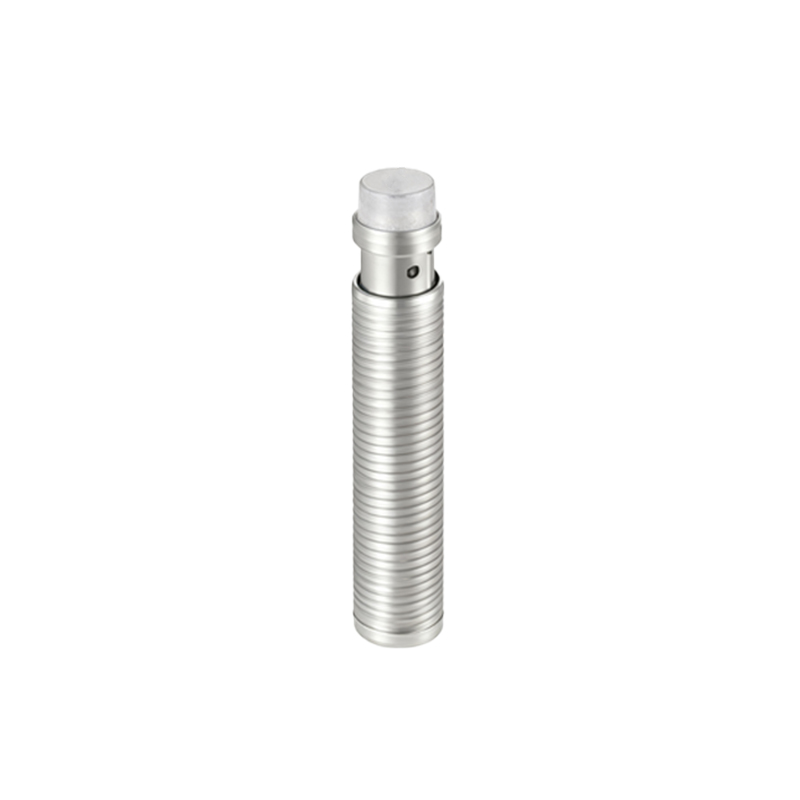
Typical applications for Level 10 Infrared Proximity Sensors are found where failure is not an option. In automotive manufacturing, they perform precise detection of metal parts on high-speed robotic assembly lines, unaffected by coolant sprays. In food and beverage packaging, they reliably detect transparent bottles or foil lids, their tuned IR spectrum seeing through certain materials that confuse standard sensors. In heavy machinery and material handling, they serve as critical safety interlocks or position verifiers in extremely dirty or vibratory conditions. Their long sensing ranges, which can extend to several meters for reflective targets, and high switching frequencies make them indispensable for modern, high-throughput automation.
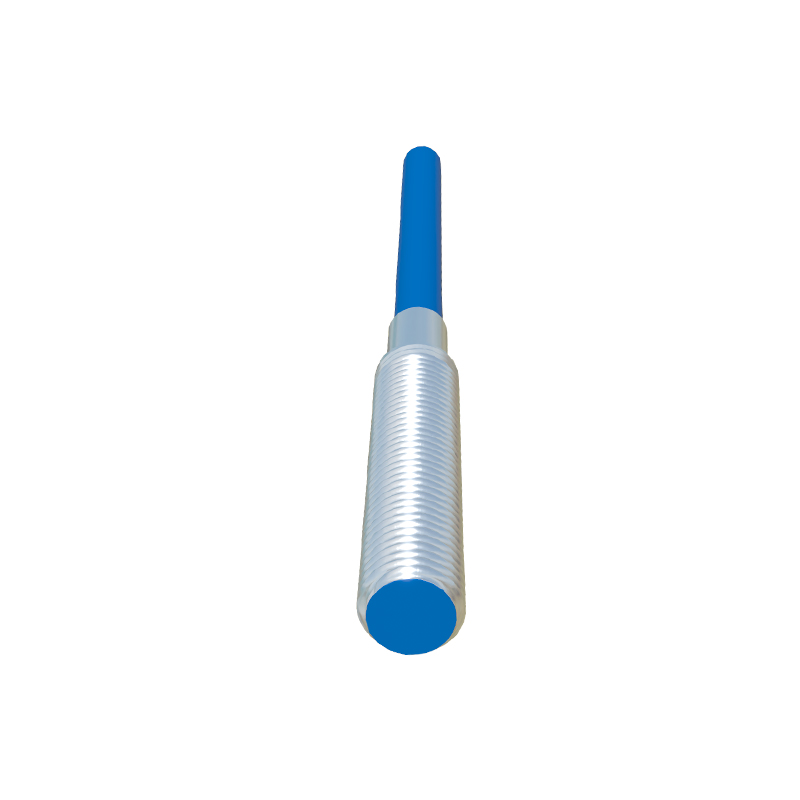
When selecting such a sensor, engineers must scrutinize specifications beyond the basic sensing range. Key parameters include repeat accuracy (often in micrometers), hysteresis (to prevent output chatter), response time (in microseconds), and the specific type of detection (diffuse reflective, retro-reflective, or through-beam). The choice of light source—modulated pulsed IR versus continuous—is crucial for immunity to ambient light. A modulated system, where the emitted light is pulsed at a specific frequency and the receiver is tuned to that same frequency, effectively rejects all other light sources, a standard feature in high-level sensors.
In conclusion, a Level 10 Infrared Proximity Sensor is not merely a component but a highly engineered solution. It embodies a convergence of precision optics, resilient materials, intelligent electronics, and robust communication protocols. For system integrators and plant engineers, investing in this tier of sensor technology translates to reduced downtime, enhanced process reliability, and ultimately, a superior return on investment through unwavering performance in the face of industrial extremes. Their role is critical in enabling the next generation of smart factories and resilient automated systems.