In the rapidly evolving landscape of industrial automation, laser automated welding has emerged as a pivotal technology in sensor manufacturing, offering unparalleled precision, efficiency, and reliability. This advanced welding technique utilizes high-energy laser beams to fuse materials with exceptional accuracy, making it ideal for producing sensitive and complex sensor components. The process involves automated systems that control the laser's intensity, focus, and movement, ensuring consistent welds even in high-volume production environments.
One of the key advantages of laser automated welding in sensor applications is its ability to handle delicate materials without causing thermal distortion. Sensors often incorporate tiny, heat-sensitive elements such as semiconductors, ceramics, or thin metal films. Traditional welding methods, like arc or resistance welding, can generate excessive heat, leading to material degradation or failure. In contrast, laser welding minimizes the heat-affected zone (HAZ), preserving the integrity and functionality of sensor parts. This is crucial for maintaining the accuracy and longevity of devices used in critical sectors like automotive, aerospace, and medical equipment.
The automation aspect further enhances the process by integrating robotics and computer numerical control (CNC) systems. These systems are programmed to perform precise welds along predefined paths, reducing human error and increasing throughput. For instance, in manufacturing pressure sensors or optical sensors, automated laser welding can create hermetic seals that protect internal components from environmental factors like moisture or contaminants. This ensures high performance in demanding conditions, such as in industrial machinery or outdoor monitoring systems.
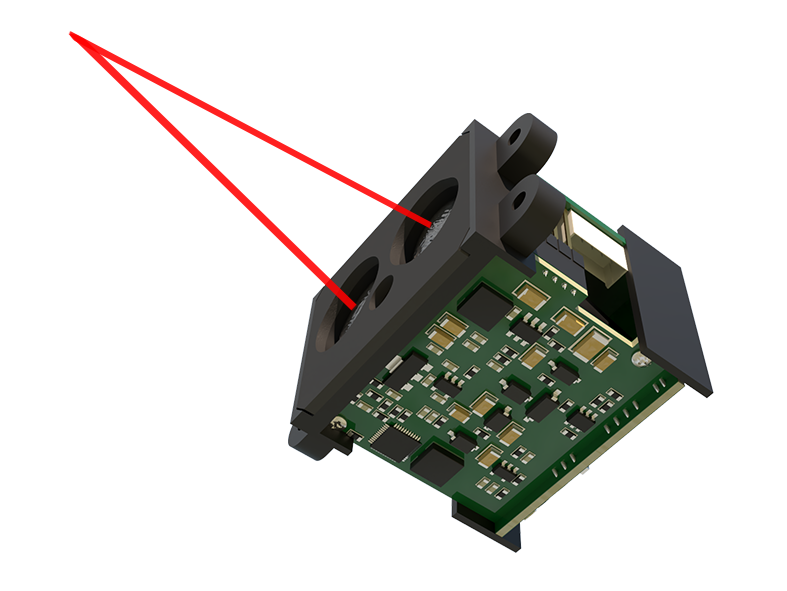
Moreover, laser automated welding supports the trend toward miniaturization in sensor technology. As sensors become smaller and more integrated, traditional welding techniques struggle to achieve the required fine-scale joints. Laser systems, with their focused beams and micron-level accuracy, enable the assembly of micro-sensors used in consumer electronics, IoT devices, and wearable technology. This capability drives innovation in smart sensors that require compact, durable designs for real-time data collection and analysis.
Quality control is another area where laser automated welding excels. Integrated monitoring systems, such as vision cameras or thermal sensors, can inspect welds in real-time, detecting defects like cracks or incomplete fusion. This allows for immediate adjustments, reducing waste and ensuring compliance with stringent industry standards. In sectors like automotive safety sensors or aerospace navigation systems, where failure is not an option, this level of quality assurance is indispensable.

Despite its benefits, implementing laser automated welding requires careful consideration of factors like initial investment, material compatibility, and operator training. High-power laser systems and robotic arms can be costly, but the long-term savings from reduced rework and increased productivity often justify the expense. Additionally, selecting the right laser type—such as fiber, CO2, or pulsed lasers—depends on the sensor materials and design specifications. Collaboration with experienced engineers and suppliers is essential to optimize the welding parameters for specific applications.
Looking ahead, advancements in artificial intelligence (AI) and machine learning are set to revolutionize laser automated welding further. AI algorithms can analyze welding data to predict optimal settings, adapt to material variations, and enhance process efficiency. This will enable even smarter manufacturing lines capable of producing next-generation sensors with enhanced capabilities, such as self-diagnosis or adaptive calibration. As industries push toward Industry 4.0 and smart factories, laser automated welding will remain a cornerstone technology, driving innovation in sensor reliability and performance.
In summary, laser automated welding represents a transformative approach in sensor manufacturing, combining precision, automation, and quality to meet the demands of modern technology. By embracing this method, manufacturers can achieve superior product outcomes, reduce operational costs, and stay competitive in a global market that increasingly relies on advanced sensor systems.