In the realm of industrial automation and control systems, proximity sensors are indispensable components for non-contact object detection. Among the various types available, the DC 3-wire proximity sensor stands out for its widespread use, reliability, and straightforward integration. This article delves into the operational principles, key characteristics, typical applications, and essential selection criteria for these critical devices.
Fundamentally, a DC 3-wire proximity sensor is an electronic device that detects the presence or absence of a metallic target without physical contact. It operates on a DC power supply, typically ranging from 10 to 30 VDC. The "3-wire" designation refers to its wiring configuration: one wire for the positive DC supply voltage (brown or red), one wire for the negative/common ground (blue or black), and one wire for the output signal (black, white, or blue, depending on the type). This configuration is distinct from 2-wire sensors, which are wired in series with the load, and 4-wire sensors, which provide dual complementary outputs.
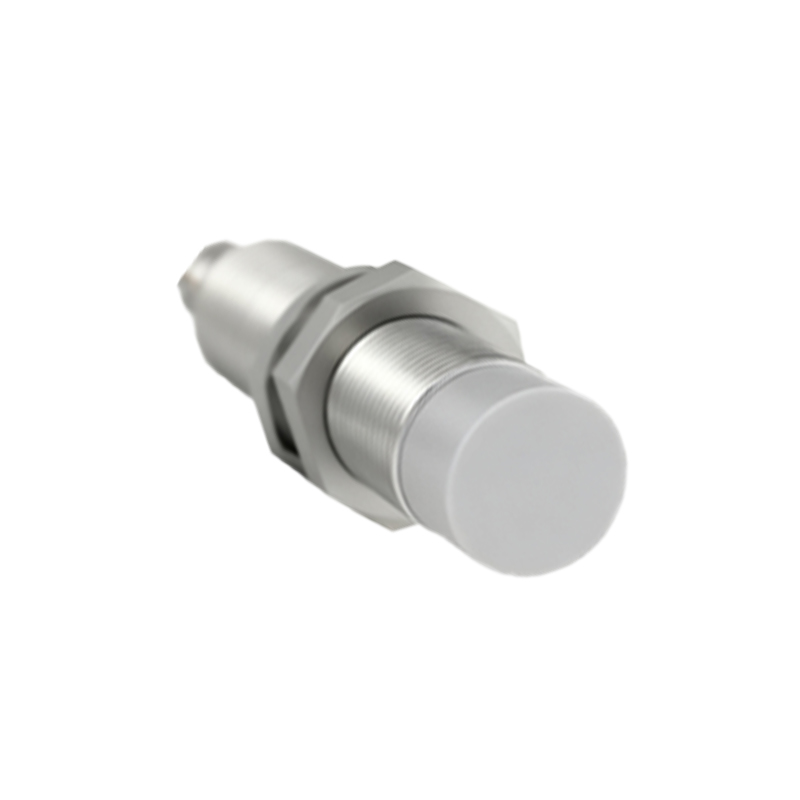
The core sensing technology is usually based on an oscillator circuit that generates a high-frequency electromagnetic field at the active face of the sensor. When a conductive metal target enters this field, eddy currents are induced in the target. These currents absorb energy from the oscillator, causing its amplitude to decrease. This change is detected by a threshold circuit, which subsequently switches the sensor's solid-state output. The two primary output types are NPN (sinking) and PNP (sourcing). An NPN output switches the negative (ground) side of the load to the common negative, while a PNP output switches the positive side of the load to the positive supply. The choice between NPN and PNP is crucial and depends on the control system's input card configuration (sinking vs. sourcing).
Key performance specifications define a sensor's capability. The sensing distance, or nominal range (Sn), is the rated operating distance for a standard target. It is critical to note that this distance can vary with target material, size, and shape. For instance, steel is typically the reference material, while sensing distances for brass, aluminum, or copper are often a percentage of the steel rating. Another vital parameter is the hysteresis, expressed as a percentage of the sensing distance. Hysteresis prevents output chatter when a target is at the exact switching point by creating a difference between the switch-on and switch-off points. Response frequency indicates how quickly the sensor can detect objects per second, a critical factor in high-speed applications. Environmental ratings, such as IP (Ingress Protection) codes (e.g., IP67), define the sensor's resistance to dust and water, ensuring reliable operation in harsh industrial environments.
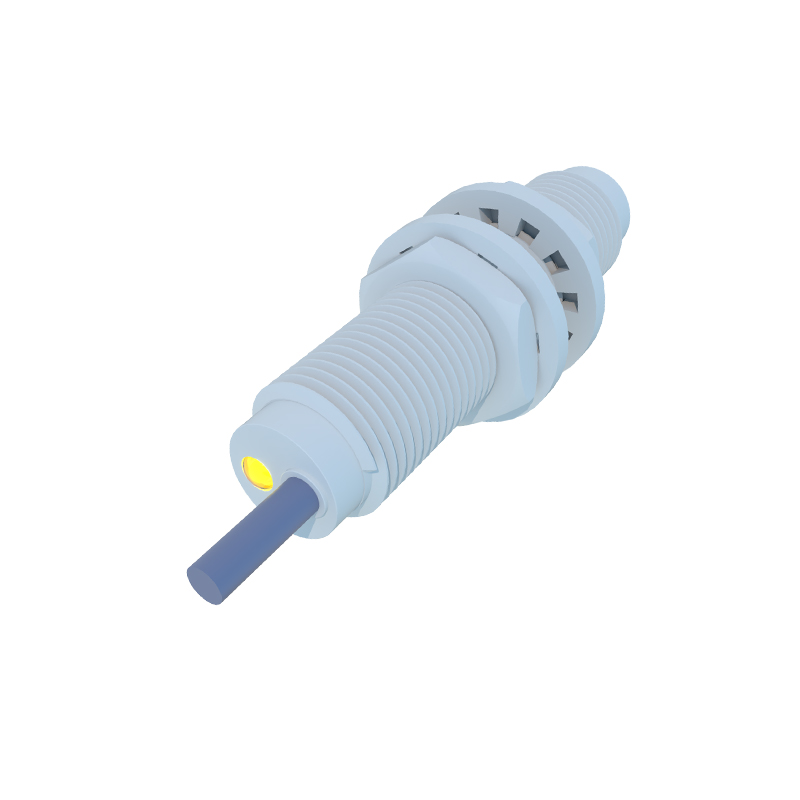
The advantages of DC 3-wire sensors are numerous. They offer low leakage current, which minimizes off-state power consumption and prevents false triggering of sensitive PLC inputs. They provide stable operation with a wide operating voltage range and are generally less susceptible to electrical noise compared to some 2-wire versions. Their separate power and output wires allow for easier troubleshooting and more flexible wiring schemes.
In practical applications, DC 3-wire proximity sensors are ubiquitous. They are used for position sensing—detecting the presence of a cylinder rod in pneumatic or hydraulic systems via a built-in magnet or a target flag. They serve as limit switches on automated machinery to confirm the end of a travel path. In conveyor systems, they count objects, control sorting gates, and detect jams. They are also integral to rotary speed monitoring, thread break detection in textiles, and part presence verification in assembly lines.
Selecting the right DC 3-wire proximity sensor requires careful consideration of several factors. First, identify the target material and the required sensing distance, choosing a sensor with an appropriate range and material correction factor. Second, determine the required output type (NPN or PNP) and the output configuration (normally open NO or normally closed NC) to match the control logic. Third, consider the electrical requirements: operating voltage, current rating of the output, and whether a short-circuit and reverse polarity protection is needed. Fourth, evaluate the physical constraints: the required housing style (barrel, rectangular, or ring), size, and mounting method (flush or non-flush). Flush-mounted sensors can be installed embedded in metal, while non-flush types offer longer ranges but require a clear area around the sensing face. Finally, the operating environment dictates the necessary housing material (typically nickel-plated brass or stainless steel) and the IP rating.
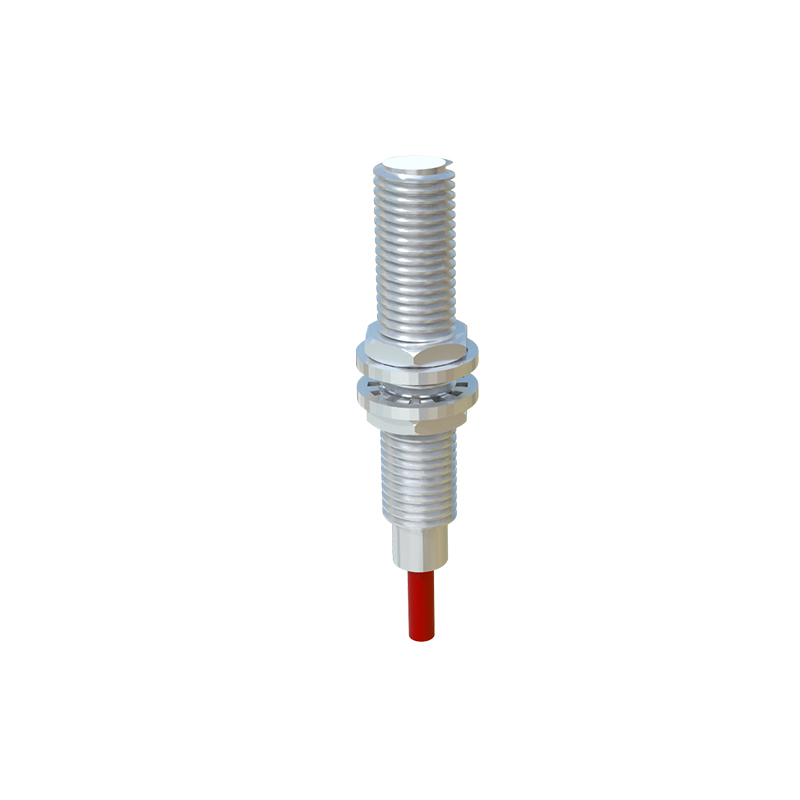
Installation and wiring are straightforward but demand attention. Ensure the sensor is securely mounted, free from vibration, and positioned correctly relative to the target's approach direction. Maintain the specified mounting clearances to prevent side-metal interference. When wiring, always refer to the manufacturer's datasheet. Typically,