In the competitive landscape of industrial automation, sourcing cost-effective components without compromising quality is a constant challenge for engineers and procurement specialists. Small proximity sensors, vital for detection, positioning, and counting tasks, represent a significant recurring expense. This guide outlines strategic avenues for procuring affordable small proximity sensors while maintaining the reliability required for demanding industrial environments.
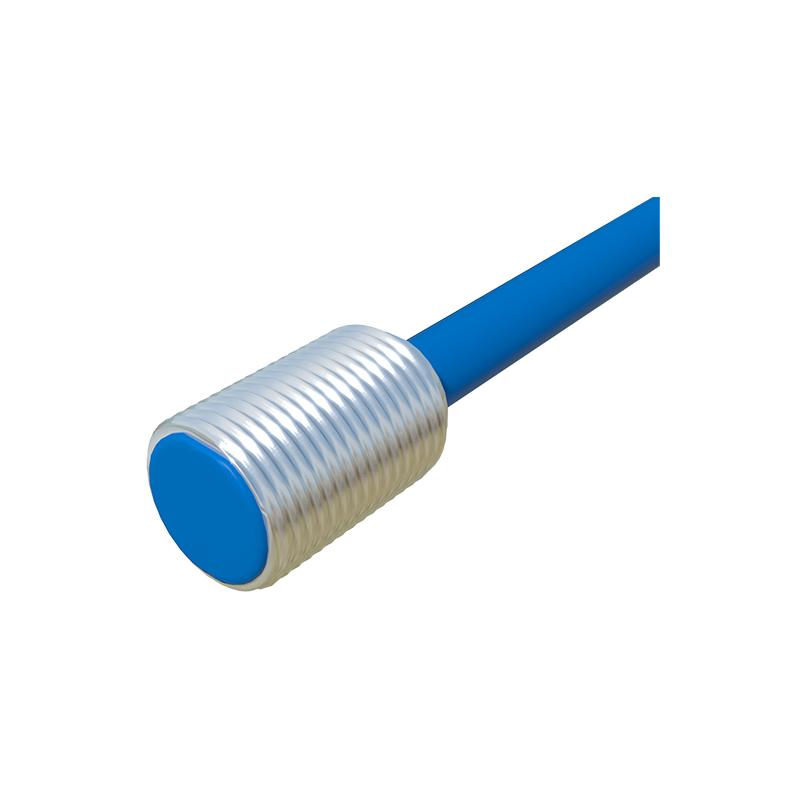
The quest for affordability often begins with a clear definition of requirements. Small proximity sensors come in various types—inductive, capacitive, and photoelectric—each with distinct operating principles and price points. Inductive sensors, detecting metallic objects, are generally the most economical for metal-sensing applications. Capacitive sensors, which can detect non-metallic materials, might carry a slight premium. Photoelectric sensors, offering longer ranges, vary widely in cost based on technology (e.g., diffuse, retro-reflective, through-beam). Precisely specifying the sensing range, output type (PNP/NPN), housing material (e.g., stainless steel, PBT plastic), and connection method (cable or connector) prevents overspending on unnecessary features.
Direct manufacturers are a primary source. Companies like Omron, Sick, Pepperl+Fuchs, and Balluff offer extensive catalogs. While list prices may seem high, significant discounts are often available for volume purchases, established business accounts, or through negotiated annual contracts. Many manufacturers provide robust e-commerce platforms with detailed filtering options, allowing for precise product selection and immediate price checking. Engaging directly with a manufacturer's local sales engineer can also yield tailored recommendations for the most cost-effective model in their lineup that meets your technical specs.
Industrial distributors and wholesalers are the backbone of component sourcing. Major global players like Digi-Key, Mouser, RS Components, and Allied Electronics stock a vast array of small proximity sensors from multiple brands. Their competitive advantage lies in aggregation, fast shipping, and no minimum order quantities (MOQs), which is ideal for prototyping or small-batch production. These distributors frequently run promotions, offer tiered pricing, and have clearance sections where discontinued or overstocked sensors are sold at deep discounts. Building a relationship with a dedicated account manager can provide access to better pricing and stock availability insights.
The online marketplace ecosystem, including platforms like Amazon Business and eBay, has matured significantly for industrial parts. Reputable sellers on these platforms often offer competitive prices, especially for generic or compatible sensors. Extreme caution is advised: verify seller ratings, check for authentic manufacturer packaging and part numbers, and scrutinize product descriptions against datasheets. This channel can be excellent for sourcing common, non-critical sensor models or for urgent, low-quantity needs, but may carry higher risk for mission-critical applications.
A highly effective but often overlooked strategy is to explore alternative or "value" brands. Alongside the well-known European, American, and Japanese brands, several manufacturers from regions like Taiwan, South Korea, and increasingly China, produce small proximity sensors that meet international standards (CE, RoHS) at a lower cost point. Brands such as Autonics, Panasonic (for certain series), and a host of specialized manufacturers offer reliable performance for standard applications. Sourcing these often requires working with specialized importers or distributors focused on these geographic markets.
For large-scale, ongoing projects, considering custom or OEM solutions directly from a manufacturer can lead to the lowest per-unit cost. This involves working with an engineering team to design a sensor that meets exact specifications, potentially simplifying features to reduce cost. The initial setup and tooling costs are high, but the long-term savings for high-volume consumption can be substantial.
Finally, don't underestimate the value of surplus and refurbished markets. Companies that upgrade their automation lines often sell their used or surplus sensors through specialized industrial surplus dealers. These sensors, if properly inspected and tested, can offer exceptional value for non-safety-critical roles or for educational/training purposes.
In conclusion, buying affordable small proximity sensors requires a multi-faceted approach. Balancing initial cost with total cost of ownership—which includes reliability, maintenance, and downtime—is crucial. The most prudent path combines precise technical specification, comparison shopping across manufacturer direct stores, authorized distributors, and vetted online marketplaces, and a willingness to evaluate reputable alternative brands for suitable applications.