In the realm of industrial automation and precision measurement, non-contact sensing technology plays a pivotal role. Among the various options available, eddy current proximity sensors stand out for their reliability, durability, and exceptional accuracy in detecting metallic objects. Unlike optical or capacitive sensors, they operate on a fundamental electromagnetic principle, making them uniquely suited for challenging environments.
The core operating principle is based on electromagnetic induction. The sensor contains a coil through which a high-frequency alternating current is passed. This current generates an alternating magnetic field that radiates from the sensor's face. When a conductive (typically metallic) target enters this field, circular electrical currents, known as eddy currents, are induced on the target's surface. These eddy currents, in turn, generate their own opposing magnetic field, which interacts with the sensor's original field. This interaction causes a change in the impedance of the sensor's coil. The sensor's integrated electronics detect this precise change in impedance, which is directly proportional to the distance to the target. This change is then converted into a usable output signal, such as a switching signal or an analog voltage/current proportional to the gap.
This mechanism confers several distinct advantages. First, they are purely inductive and require a conductive target. This makes them immune to common environmental interferents like dust, oil, steam, and non-conductive contaminants. They can operate reliably in dirty, wet, or oily conditions where optical sensors would fail. Second, they offer very high resolution and repeatability, capable of detecting minute positional changes, often in the micron range. This makes them ideal for applications like vibration monitoring, run-out measurement, and precise spindle positioning. Third, the sensing is unaffected by the material between the sensor and the target, provided it is non-metallic. This allows for measurement through non-conductive materials like paint, plastic, or glass.
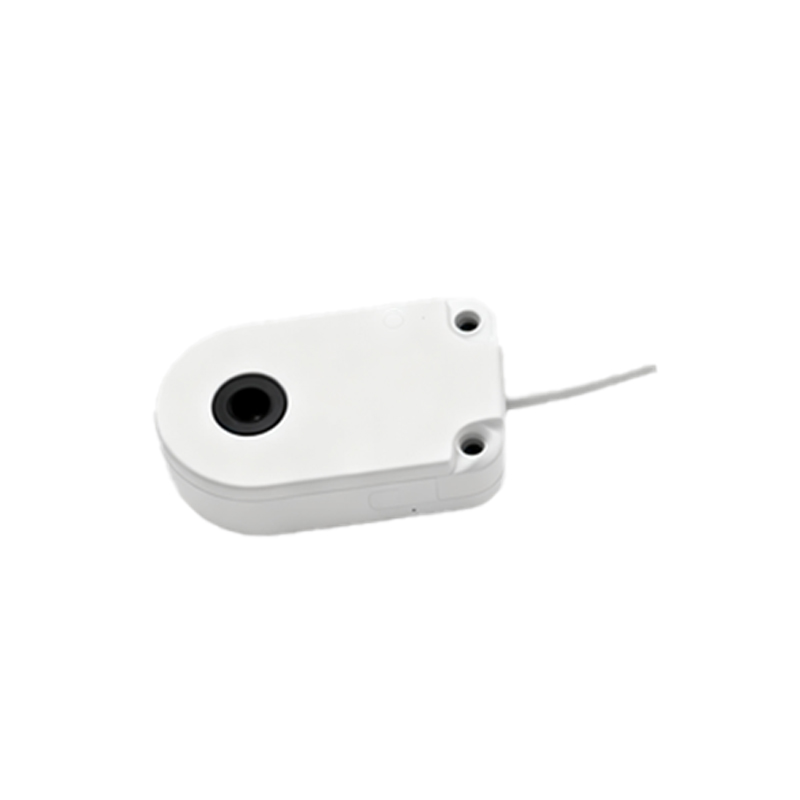
The applications for eddy current proximity sensors are vast and critical across numerous industries. In manufacturing and machining, they are used for precise part positioning, tool wear monitoring, and end-of-stroke detection on cylinders. In the automotive sector, they monitor crankshaft and camshaft position and speed, as well as throttle and valve positions. The aerospace industry relies on them for monitoring turbine blade tip clearance and shaft vibration in jet engines—applications where failure is not an option. They are also extensively used in metal forming, stamping, and robotics for accurate object detection without physical contact.
Selecting the right eddy current sensor requires careful consideration of several key parameters. The target material is paramount; different metals (steel, aluminum, copper) have different electrical conductivities and magnetic permeabilities, which directly affect the sensing distance and must be factored in. Standard sensors are typically calibrated for mild steel. The required sensing distance, or nominal range, must be chosen, with a general rule of thumb being to use a sensor with a range slightly larger than the maximum gap expected. The sensor's size and mounting style (threaded barrel, rectangular) must fit the mechanical constraints. Output type is another crucial choice: a digital PNP/NPN switch for simple presence detection, or an analog output (0-10V, 4-20mA) for continuous distance measurement. Environmental factors like temperature extremes and potential for physical damage may necessitate specialized housings.
Installation and setup are generally straightforward but require attention to detail. The sensor must be mounted securely to prevent vibration from affecting readings. It is essential to ensure that only the intended target enters the sensing field; nearby conductive structures or other metal objects can cause interference and false readings, a phenomenon known as side-effect or shielding. Most modern sensors feature built-in temperature compensation to maintain stability across a wide operating range.
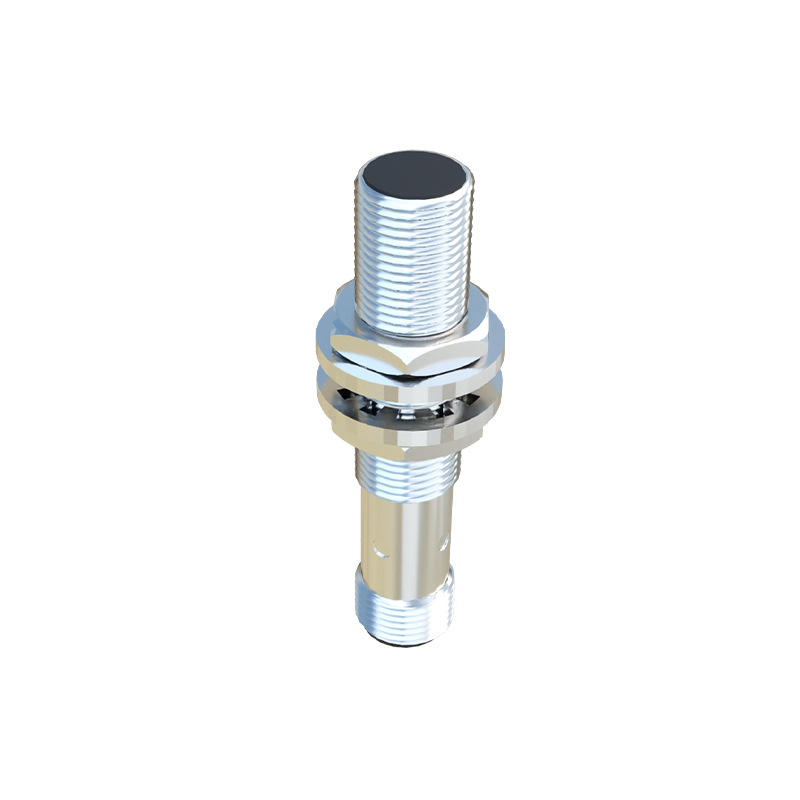
In conclusion, eddy current proximity sensors represent a robust and highly accurate solution for non-contact metallic object detection and displacement measurement. Their inherent resistance to harsh environments, combined with their precision, ensures their continued indispensability in advanced industrial systems. By understanding their operating principle, key advantages, and application requirements, engineers and technicians can effectively leverage this technology to enhance machine reliability, improve product quality, and enable sophisticated automation processes.