In the realm of industrial automation and machine design, a common question arises among engineers and system integrators: Are proximity and photoelectric sensors truly practical, or are they just another component adding complexity? Having spent over fifteen years designing and troubleshooting electrical control systems, I can assert that their practicality is not only real but often fundamental to modern manufacturing efficiency, safety, and reliability. The key lies in understanding their distinct operating principles, correct application, and the tangible benefits they deliver.
Let's first demystify the technology. Proximity sensors, specifically inductive and capacitive types, detect the presence or absence of metallic or non-metallic objects without physical contact. Inductive sensors generate an electromagnetic field and react to eddy current losses in conductive metals. Capacitive sensors detect changes in capacitance, making them suitable for liquids, powders, plastics, and wood. Photoelectric sensors, on the other hand, use a light beam (visible red, infrared, or laser) to detect objects. They come in various configurations: through-beam (separate emitter and receiver), retro-reflective (bounces light off a reflector), and diffuse (reflects light directly off the target object).
The practicality argument hinges on several concrete advantages over mechanical alternatives like limit switches. First is Non-Contact Operation. This eliminates mechanical wear and tear, dramatically increasing sensor lifespan. In high-cycle applications, a mechanical switch might fail after millions of operations, while a solid-state sensor can last for hundreds of millions, if not indefinitely, reducing downtime and maintenance costs. Second is High-Speed Response. Modern sensors can detect objects at switching frequencies in the kilohertz range, enabling precise counting, positioning, and inspection in high-speed packaging, assembly, and sorting lines—a task impossible for mechanical actuators.
Third is Environmental Resilience. Quality industrial sensors are built with robust housings (often IP67 or IP69K rated) to withstand harsh conditions: coolant splashes, dust, oil, and vibration. This makes them indispensable in machine tools, food processing, and automotive plants. Fourth is Versatility and Precision. Photoelectric sensors can detect tiny objects, see through transparent materials, or gauge fill levels in containers. Proximity sensors provide precise, repeatable detection for part positioning on conveyors or verifying robot end-effector status.
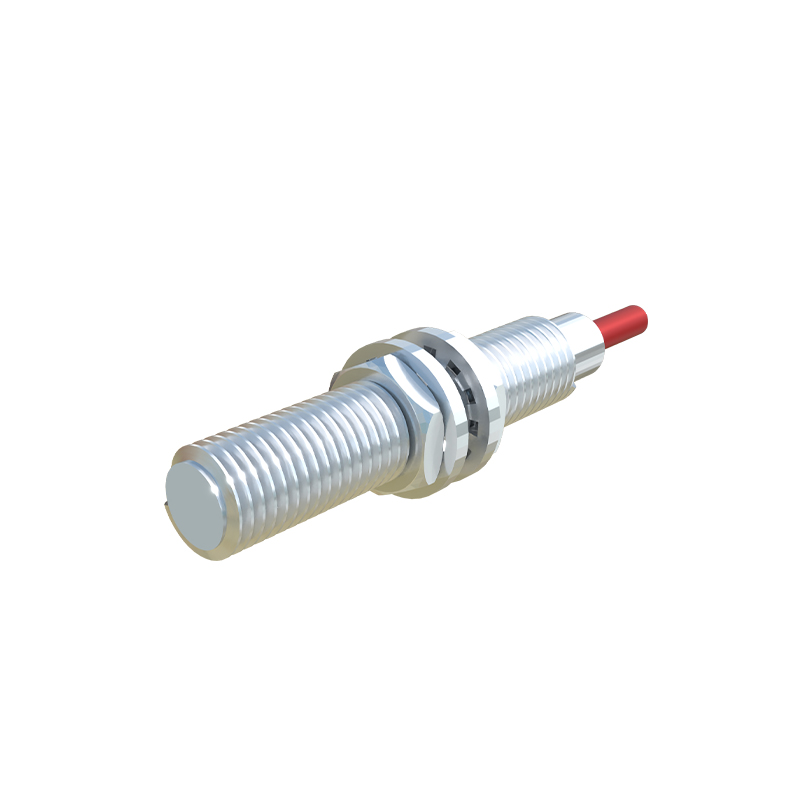
However, declaring them universally practical would be misleading. Their effectiveness is contingent on proper selection and installation. Common pitfalls include: choosing an inductive sensor for a plastic bottle (use capacitive or photoelectric), installing a diffuse photoelectric sensor on a shiny surface causing false triggers (use a polarized filter version), or not accounting for the sensing distance derating for different materials. Electrical noise in panels can also affect some models, necessitating proper shielding and grounding.
From a cost-benefit perspective, the initial unit cost of a sensor is higher than a basic limit switch. Yet, the Total Cost of Ownership (TCO) often favors sensors. Consider the cost of a production halt because a worn-out limit switch failed to detect a part, causing a jam or machine crash. The savings from prevented downtime, reduced maintenance labor, and spare parts inventory quickly justify the investment. Furthermore, sensors enable more sophisticated data collection for Industry 4.0 initiatives, providing digital signals for monitoring machine OEE (Overall Equipment Effectiveness) and predictive maintenance.
In conclusion, are proximity and photoelectric sensors practical? Absolutely. They are not mere gadgets but essential components that solve real-world problems of detection, measurement, and control. Their practicality is proven daily in countless factories worldwide, driving automation forward. The engineer's task is not to question their utility but to master their specifications—sensing distance, material influence, output type (PNP/NPN), and environmental ratings—to deploy them effectively. When selected and applied correctly, they move from being just a component to a critical pillar of reliable, efficient, and intelligent automation systems.