In the realm of industrial process control, scientific research, and advanced manufacturing, accurate temperature measurement is paramount. Among the diverse array of sensing technologies, laser temperature sensor probes, often referred to as infrared (IR) thermometers or pyrometers, have carved out a critical niche for non-contact measurement. Unlike traditional thermocouples or RTDs that require physical contact, these devices measure temperature by detecting the infrared radiation emitted by a target object. This article delves into the operational principles, key advantages, common applications, and essential selection criteria for laser temperature sensor probes.
The fundamental principle behind a laser temperature sensor probe is based on Planck's Law of blackbody radiation. All objects with a temperature above absolute zero emit infrared radiation. The intensity and spectral distribution of this radiation are directly related to the object's surface temperature. The sensor probe utilizes an optical system, typically incorporating a lens, to collect this emitted IR energy and focus it onto a detector. The detector, which can be a thermopile, photodiode, or other semiconductor type, converts the radiant energy into an electrical signal. This signal is then processed by the probe's internal electronics, compensated for ambient conditions and the object's emissivity, and finally translated into a temperature reading displayed on an integrated screen or transmitted via an output signal. The integrated laser sighting system, often a Class 2 laser, serves a purely targeting function, indicating the center of the measurement spot; it does not measure temperature itself.
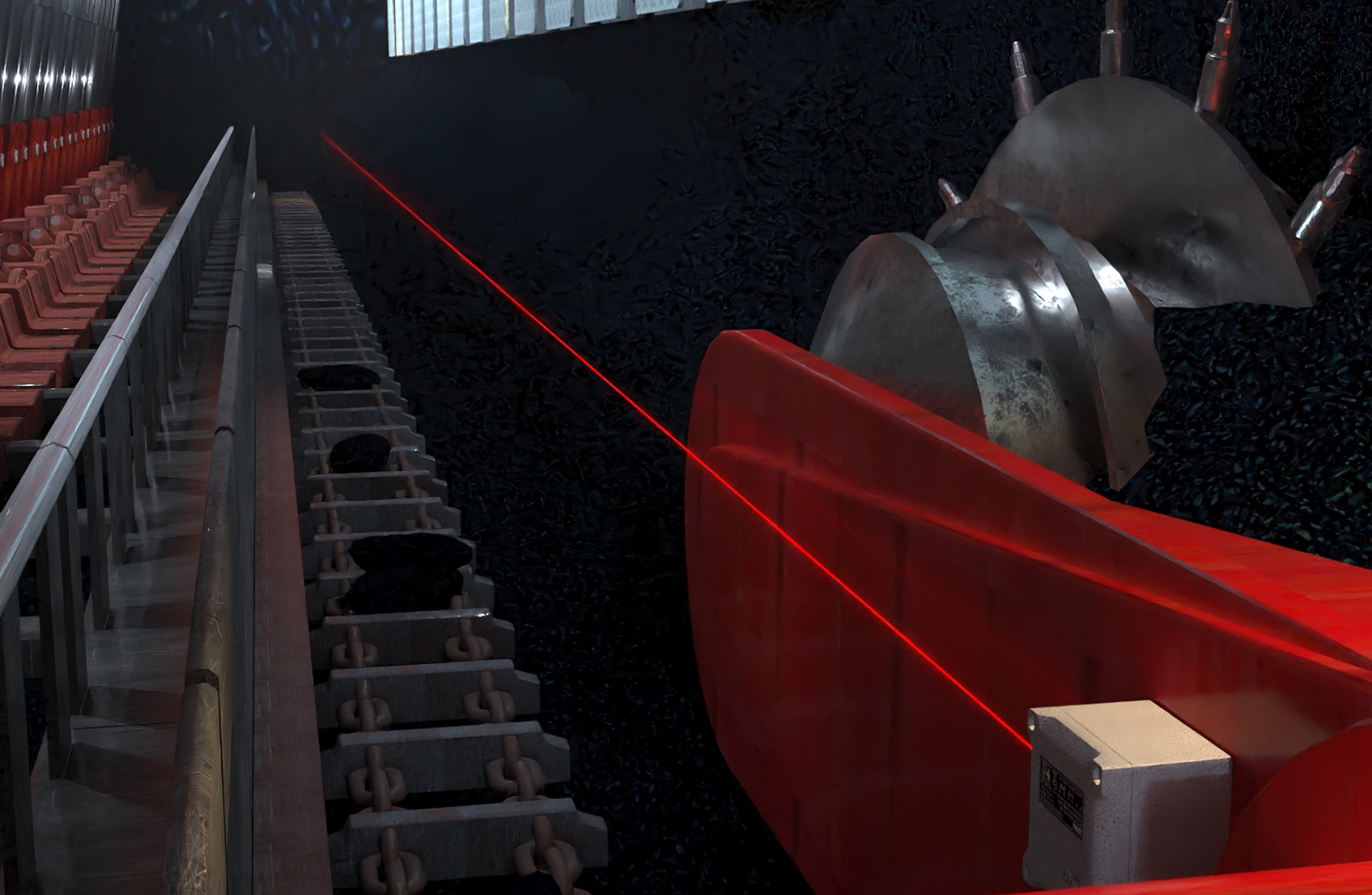
The non-contact nature of laser temperature probes bestows several significant advantages. First, they enable temperature measurement of moving objects, such as rotating machinery, conveyor belts, or fast-moving production lines, without causing wear or interference. Second, they are ideal for measuring objects that are hazardous to approach due to extreme heat, high voltage, or chemical exposure, thereby enhancing operator safety. Third, they prevent contamination of sensitive surfaces, which is crucial in food processing, pharmaceutical manufacturing, and cleanroom environments. Fourth, they offer extremely fast response times, often in milliseconds, allowing for real-time monitoring and control of dynamic thermal processes. Finally, they can measure temperature over a very wide range, from sub-zero temperatures to several thousand degrees Celsius, depending on the model and detector type.
Applications for laser temperature sensor probes are vast and varied across industries. In manufacturing, they are used for monitoring furnace and kiln temperatures, checking weld quality, controlling plastic extrusion and molding processes, and inspecting electronic components like circuit boards and semiconductors. In the automotive sector, they assist in brake testing, engine diagnostics, and tire manufacturing. Within building diagnostics, they help identify heat loss, electrical faults, and insulation deficiencies. Maintenance teams rely on them for predictive maintenance, spotting overheating bearings, motors, and electrical connections before they fail. In research and development laboratories, they provide precise, non-invasive temperature data for experiments involving materials science, chemistry, and fluid dynamics.
Selecting the appropriate laser temperature sensor probe requires careful consideration of several parameters. The most critical is the temperature range, which must encompass the expected minimum and maximum temperatures of the target. Optical resolution, expressed as a distance-to-spot size ratio (e.g., 50:1), determines the size of the measurement area at a given distance; a higher ratio allows for measuring smaller targets from farther away. Spectral response refers to the specific wavelength band the detector is sensitive to (e.g., 8-14 µm for general-purpose measurements, or specific narrow bands for glass or metals); choosing the correct band is vital for accuracy, especially with materials of varying emissivity. Emissivity, the efficiency with which a surface emits infrared energy, must be correctly set on the device for accurate readings; polished metals have low emissivity, while oxidized surfaces or organic materials have high emissivity. Other factors include response time, output options (analog, digital, USB, Bluetooth), environmental rating (IP protection for dust and moisture), and the need for features like adjustable emissivity, alarms, or data logging.

In conclusion, laser temperature sensor probes are indispensable tools for modern, non-contact temperature measurement. By understanding the underlying infrared technology and carefully matching the probe's specifications—such as temperature range, optical resolution, and spectral response—to the specific application, engineers and technicians can achieve reliable, safe, and efficient thermal monitoring. Their ability to provide instantaneous readings from a distance makes them a cornerstone of quality control, process optimization, and preventive maintenance strategies across countless industries.