Electromagnetic proximity sensors, often referred to as inductive proximity sensors, are fundamental components in modern industrial automation and control systems. Their primary function is to detect the presence or absence of metallic objects without any physical contact, relying on the principles of electromagnetic induction. This non-contact detection capability makes them highly reliable, durable, and suitable for harsh environments where mechanical wear, dust, moisture, or chemical exposure might compromise other sensing technologies.
At the core of an electromagnetic proximity sensor lies an oscillator circuit that generates a high-frequency alternating magnetic field. This field emanates from a coil wound around a ferrite core located at the active face of the sensor. When a conductive metal target enters this oscillating magnetic field, eddy currents are induced on the surface of the target. According to Lenz's Law, these eddy currents generate their own opposing magnetic field, which interacts with the original field from the sensor's coil.
This interaction causes a change in the amplitude of the oscillations within the sensor's oscillator circuit. The sensor's electronics continuously monitor this oscillation amplitude. When a metal object comes within the specified sensing range, the energy loss due to the eddy currents becomes significant enough to cause a detectable drop in the oscillation amplitude. This drop triggers a signal conditioning circuit, which then switches the sensor's output state. Typically, the output is from a solid-state switch (like an NPN or PNP transistor) that can interface directly with programmable logic controllers (PLCs), relays, or other control devices.
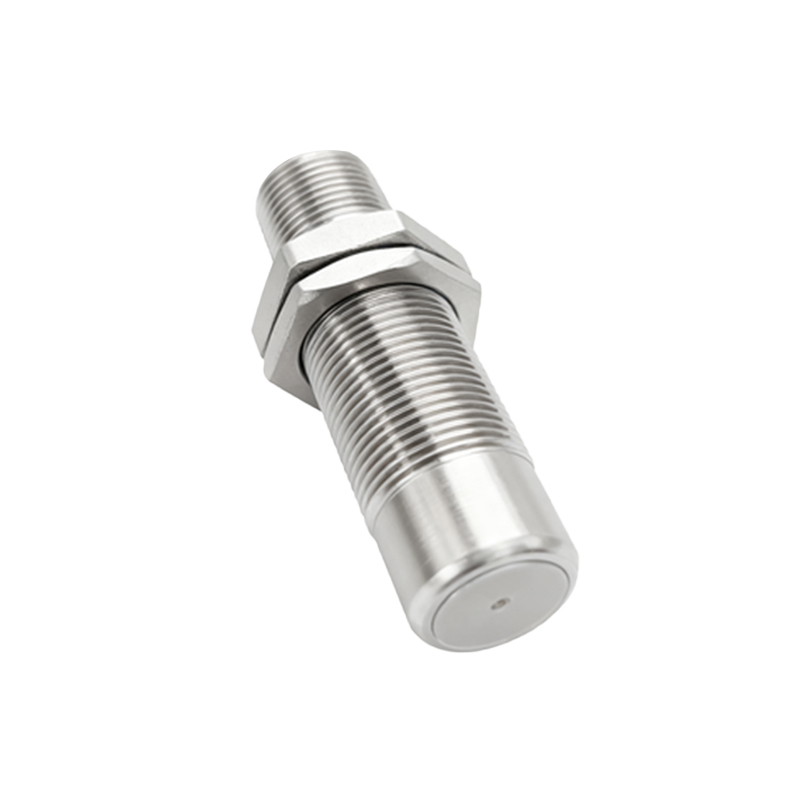
The sensing range, or nominal operating distance, is a critical specification. It is defined for a standard target, usually a square of mild steel (Fe 360) with a thickness equal to the sensor's diameter or 1 mm, whichever is greater. It's important to note that different metals affect the sensing range due to their varying electrical conductivity and magnetic permeability. For instance, steel (a ferromagnetic material) typically provides the longest range. Non-ferrous metals like aluminum, copper, or brass (which are conductive but non-magnetic) induce weaker eddy currents, resulting in a reduced sensing range, often 30% to 60% of the rated range for steel. Stainless steel, depending on its grade, can also reduce the effective range.
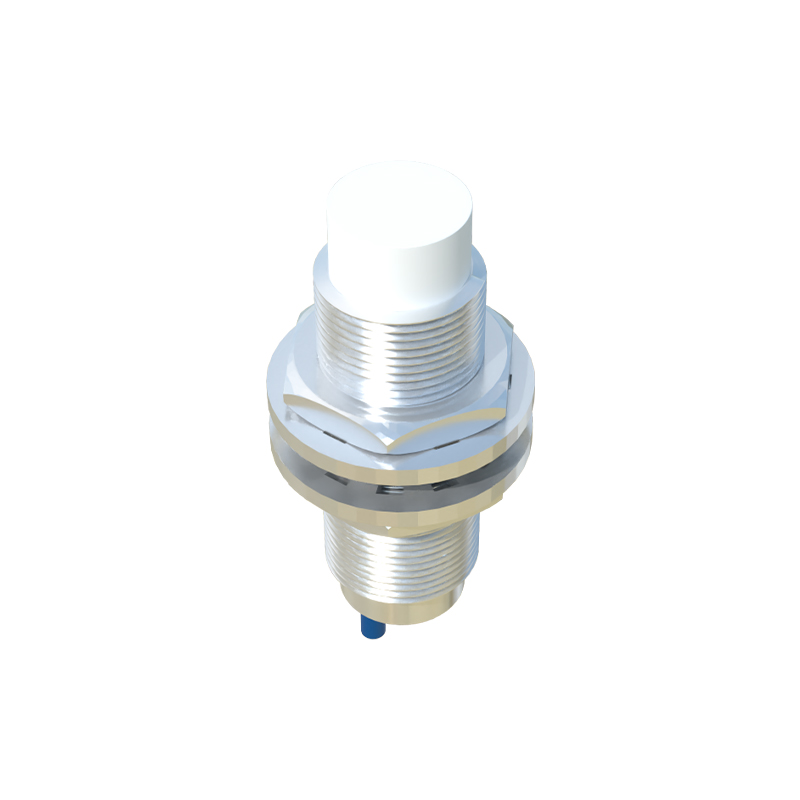
Key design elements contribute to their robustness. Most sensors are housed in metallic (often stainless steel) or rugged polymer bodies. They feature built-in protection against short-circuits, overloads, and often reverse polarity. Advanced models incorporate shielding or non-shielding designs. A shielded (or flush-mountable) sensor allows for side-by-side installation without mutual interference because its magnetic field is concentrated at the front. A non-shielded (or non-flush) sensor has a longer range but requires clearance around it to prevent interference from adjacent metallic structures.
Applications for electromagnetic proximity sensors are vast. They are ubiquitous in manufacturing for tasks such as counting objects on a conveyor, detecting the position of a machine part (like a cylinder rod), monitoring rotational speed via a gear tooth, ensuring proper seating of a metal component, or initiating safety door interlocks. Their speed, accuracy, and lack of moving parts make them superior to mechanical limit switches in most scenarios.
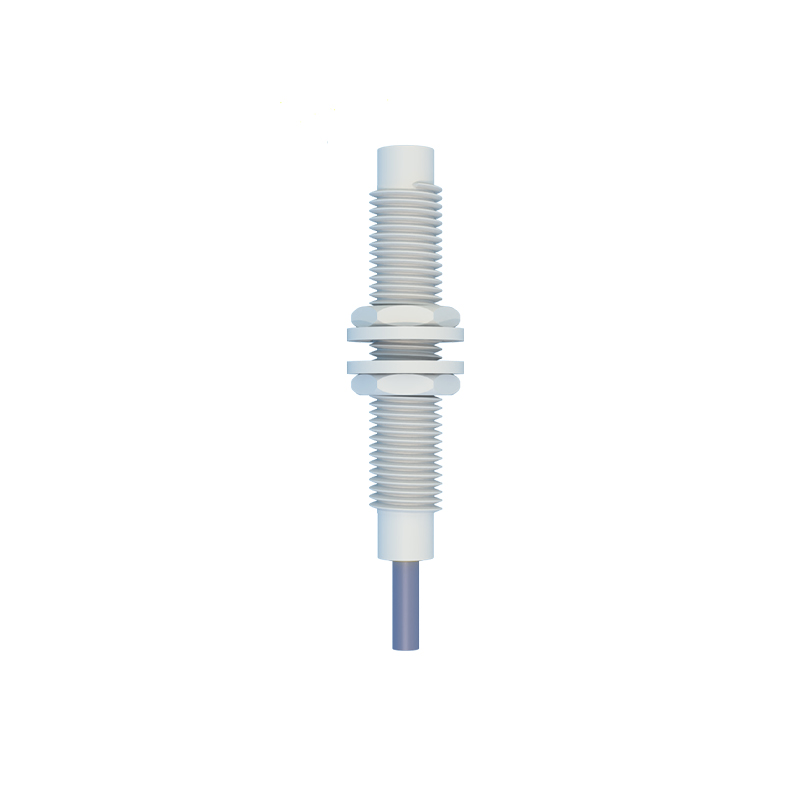
In summary, the operation of an electromagnetic proximity sensor is an elegant application of basic electromagnetic theory. By generating an oscillating field and detecting the disturbances caused by eddy currents in metallic targets, these devices provide a vital, non-contact sensing solution that forms the backbone of precise, reliable, and maintenance-free automation in countless industries.