In the realm of modern railway and metro systems, Platform Screen Doors (PSDs) are critical for passenger safety and system efficiency. The reliable operation of these doors hinges significantly on the precise functionality of proximity sensors. These non-contact detection devices are responsible for monitoring door panel positions, detecting obstructions, and ensuring safe opening and closing cycles. However, their effectiveness is not solely dependent on sensor quality; installation position is a paramount, often under-considered, factor that directly impacts performance, longevity, and maintenance cycles.
The primary function of a proximity sensor in a PSD system is to detect the presence or absence of a door leaf in its fully closed or fully open position. Incorrect positioning can lead to false signals, failed detection, or even physical damage. The optimal installation point is determined by a confluence of mechanical, electrical, and environmental considerations.
First, consider the sensor's relationship to the door's moving parts. For detecting the closed position, the sensor—typically a inductive or magnetic type—must be mounted on the fixed door frame. The corresponding target (e.g., a metal flag or magnet) is affixed to the moving door leaf. The critical parameter here is the sensing gap. Engineers must consult the sensor's datasheet for its nominal operating distance (Sn) and ensure the installation maintains an actual gap of 0.8 x Sn under all thermal and mechanical tolerance conditions. This derating accounts for potential frame flex, thermal expansion of materials, and long-term wear, preventing the gap from exceeding the sensor's maximum range. The sensor should be positioned so that the target passes directly across its active face, not at an angle, to ensure a strong and consistent signal.

For obstruction detection, often handled by a separate set of sensors creating a "safety curtain" along the door edge, positioning is even more delicate. These sensors, frequently infrared or laser-based, must be aligned with absolute precision. Their emitter and receiver pairs are usually installed in the leading and trailing edges of the door panels. The alignment must be maintained not just when the door is static, but throughout its entire travel path. Any misalignment due to improper mounting or mechanical play can create blind spots, compromising safety. The installation should include adjustable brackets to facilitate fine-tuning during commissioning.
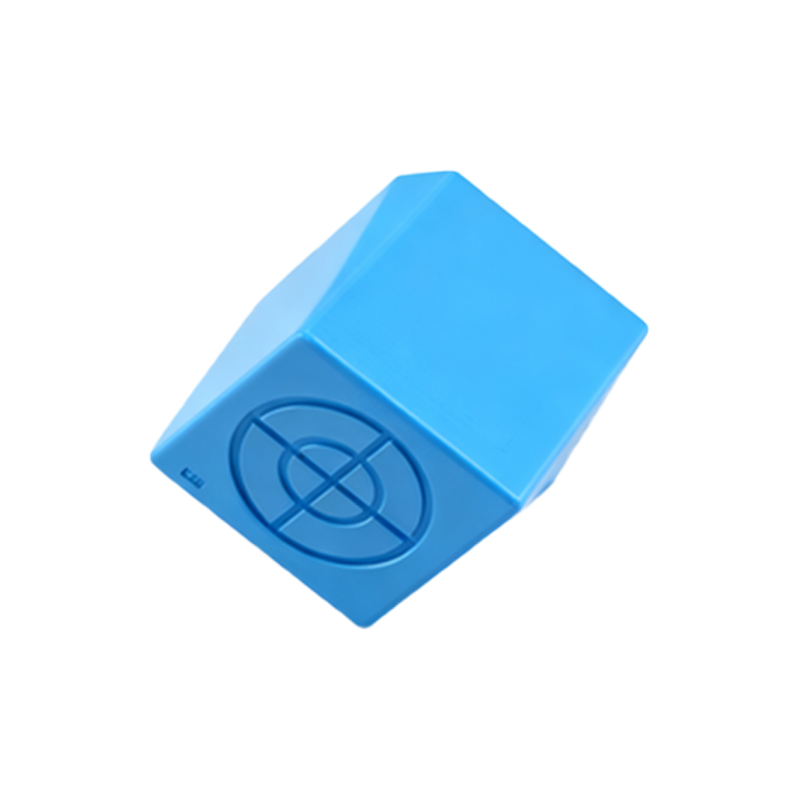
Environmental factors dictate the second major consideration. PSDs are exposed to a harsh environment: dust, moisture, temperature extremes, and vibration. The installation location must, to the greatest extent possible, shield the sensor from direct exposure. For instance, mounting a sensor at the bottom of the door threshold is generally discouraged due to high susceptibility to water, dirt, and debris accumulation. Preferred locations are under protective shrouds or within the door header, where some environmental protection is inherent. The chosen position must also allow for adequate heat dissipation if the sensor is an active electronic device.
Third, maintenance accessibility cannot be an afterthought. Sensors will eventually require testing, calibration, or replacement. Installing a sensor in a position that requires complete door disassembly for access is a design flaw that increases downtime and labor costs. Ideal positions allow for front or side access with standard tools. Connectors and cabling should be routed to junction boxes that are also easily accessible, with sufficient slack to allow sensor removal without de-wiring the entire harness.
A common best practice is to create a detailed installation drawing that specifies not only the coordinates but also the tolerances for position, gap, and alignment. During commissioning, technicians should verify each sensor's signal strength and repeatability using calibrated gap tools and system diagnostics. Data logging over initial operational periods can identify sensors with marginal performance due to suboptimal positioning before they cause operational failures.
In conclusion, treating sensor installation as a mere mechanical mounting task is a recipe for unreliable door operation. The installation position is a systems engineering decision that balances detection reliability, environmental resilience, and maintainability. By rigorously applying principles of proper gap calculation, environmental shielding, precision alignment, and serviceability, engineers can ensure that these critical but small components fulfill their vital role in the safe and smooth operation of platform screen door systems. This proactive approach in the installation phase minimizes nuisance faults, enhances safety integrity levels, and reduces the total cost of ownership over the asset's lifecycle.