A photoelectric switch, also known as a photo-eye or photoelectric sensor, is an electronic device that uses light to detect the presence, absence, or distance of objects. It operates by emitting a beam of light, typically from an LED or laser diode, and then measuring the light that returns to a receiver. The core principle relies on changes in light intensity or reflection patterns, which trigger an output signal when an object interrupts or reflects the light beam.
There are three primary types of photoelectric switches: through-beam, retro-reflective, and diffuse reflective sensors. Through-beam sensors consist of separate emitter and receiver units placed opposite each other. Detection occurs when an object breaks the light beam between them, offering high accuracy and long sensing ranges. Retro-reflective sensors house both emitter and receiver in a single unit, using a reflector to bounce light back. Objects are detected when they block the reflected beam. Diffuse reflective sensors also integrate emitter and receiver but rely on light reflecting directly off the target object itself, making them suitable for close-range applications where reflectors are impractical.
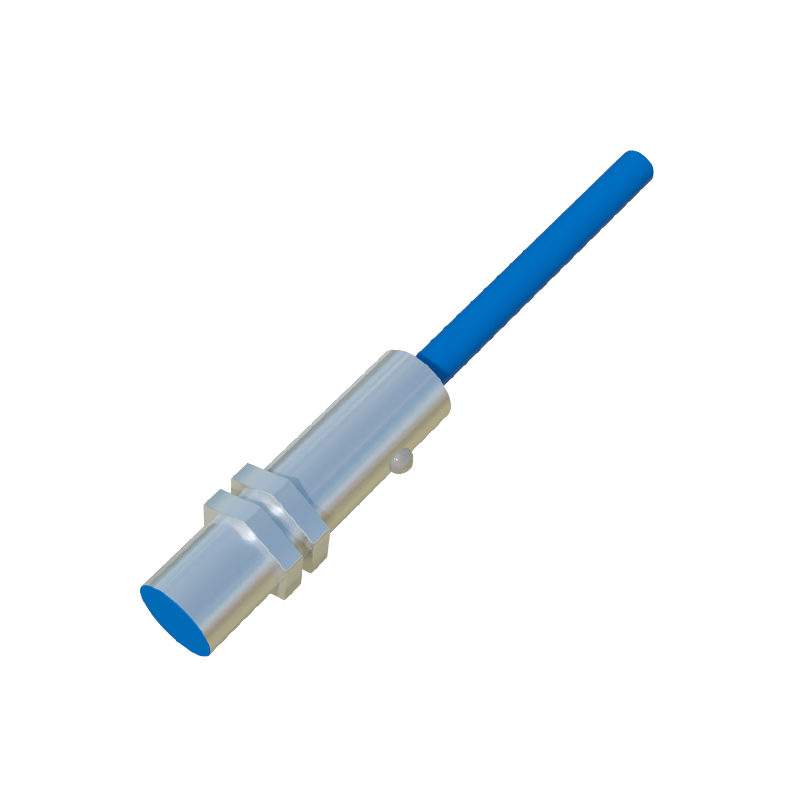
The working mechanism involves modulated light signals to minimize interference from ambient light. Modern sensors often use pulsed infrared or visible red light, with the receiver tuned to specific frequencies to ensure reliable operation even in challenging environments like bright sunlight or dusty conditions. Advanced models incorporate background suppression technology, which allows them to ignore distant objects or surfaces, focusing only on targets within a defined range.
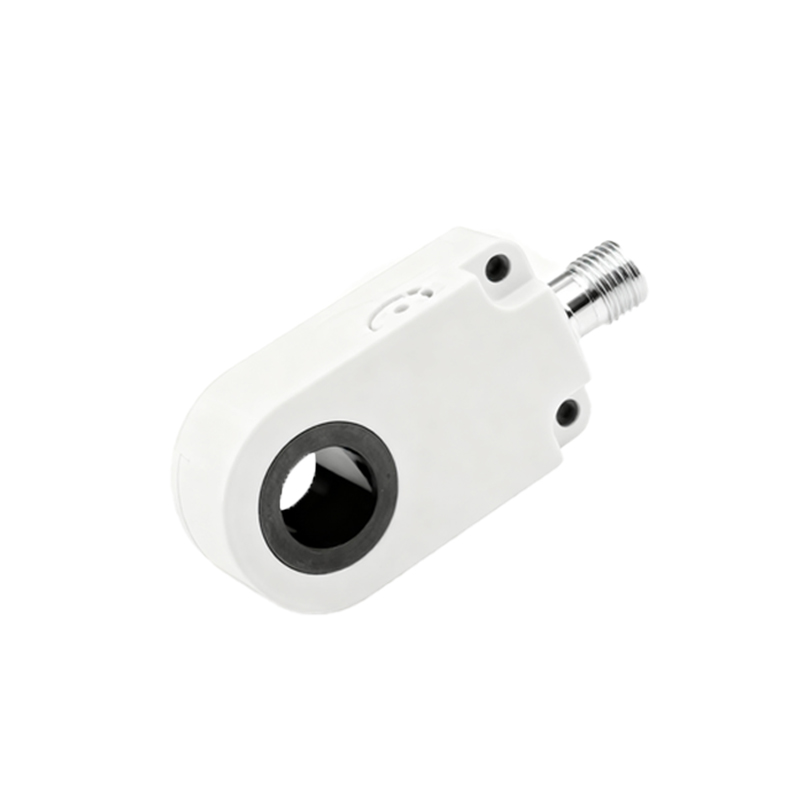
Photoelectric switches are fundamental components in industrial automation, logistics, and safety systems. In manufacturing, they count products on conveyor belts, verify part placement, and control robotic arms. Packaging lines use them to detect labels, monitor fill levels, and ensure correct box sealing. Material handling equipment relies on these sensors for position sensing, edge guidance, and jam detection. Beyond industry, they enable automatic doors in commercial buildings, touchless faucets in public restrooms, and vehicle presence detection in parking garages.
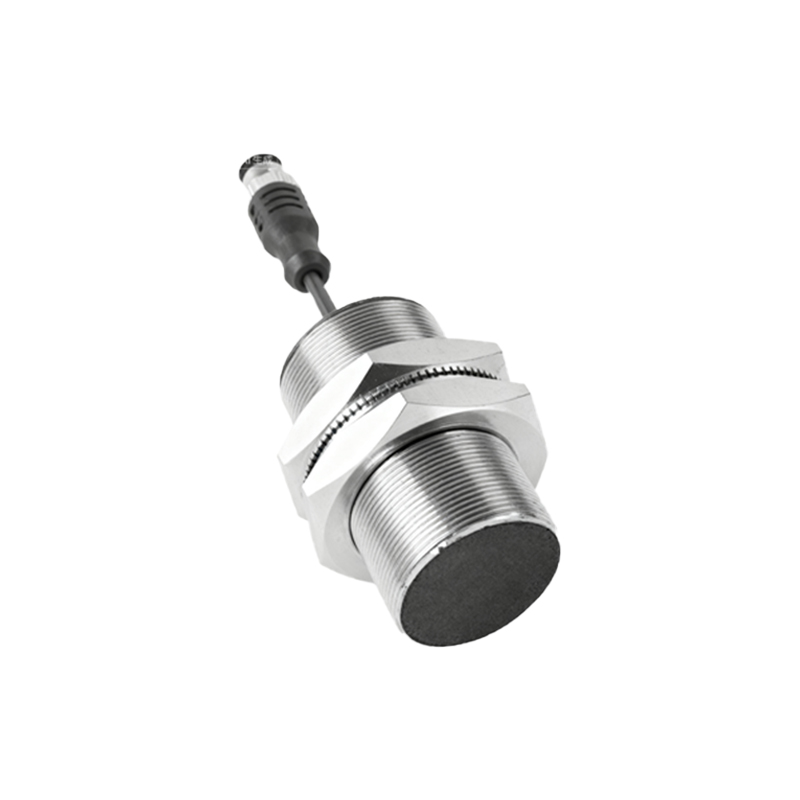
Selecting the right photoelectric switch depends on factors like sensing distance, object properties, environmental conditions, and required output type. Key specifications include response time, which can be as fast as milliseconds, and protection ratings such as IP67 for dust and water resistance. Regular maintenance involves cleaning lenses to prevent false triggers and verifying alignment, especially in through-beam setups.
Innovations continue to enhance photoelectric technology. Fiber-optic versions allow sensing in extreme temperatures or tight spaces by transmitting light through flexible cables. Smart sensors with IO-Link connectivity provide diagnostic data, enabling predictive maintenance and integration with Industry 4.0 systems. As automation expands, photoelectric switches remain indispensable for efficient, non-contact detection across diverse applications.