Infrared proximity sensors have become indispensable tools across a wide range of industries, from manufacturing and robotics to consumer electronics and automotive applications. These devices operate on a relatively simple yet highly effective principle: they emit an infrared light beam and detect its reflection from a nearby object. The absence or presence of this reflected signal, or changes in its properties, is then translated into an electrical output that automation controllers can use to make decisions. Unlike ultrasonic or capacitive sensors, IR proximity sensors are particularly valued for their fast response times, immunity to acoustic noise, and ability to detect a vast array of materials, including non-metals.
The core technology behind these sensors typically involves an infrared LED as the emitter and a phototransistor or photodiode as the receiver. The emitted IR light is modulated at a specific frequency to minimize interference from ambient light sources. When an object enters the sensor's detection field, the modulated light reflects back to the receiver. The sensor's internal circuitry is tuned to recognize only the specific modulated frequency, ensuring high reliability and stability even in challenging industrial environments with variable lighting conditions. Common output types include digital (NPN/PNP) for simple presence/absence detection and analog (0-10V or 4-20mA) for providing continuous distance information.
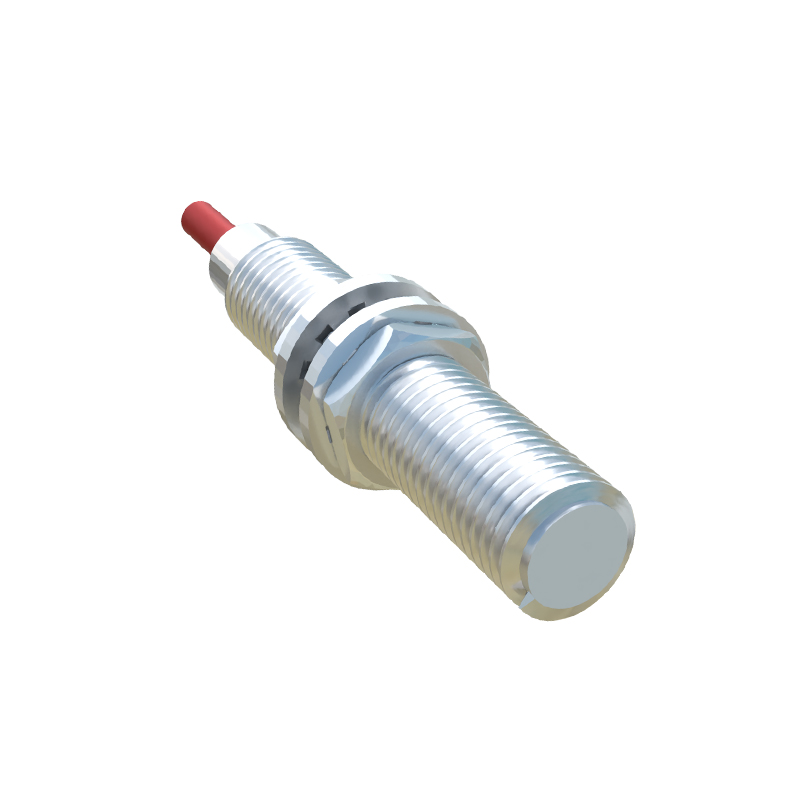
One of the primary advantages of infrared proximity sensors is their versatility in sensing modes. The diffuse reflective mode is the most common, where the emitter and receiver are housed in the same unit, and detection occurs when light reflects off a target back to the receiver. This mode is ideal for general-purpose object detection. The retro-reflective mode utilizes a separate reflector; the sensor detects an object when it breaks the beam between the sensor and the reflector, allowing for longer sensing ranges. For the longest possible ranges and most precise detection, the through-beam mode employs separate emitter and receiver units facing each other, detecting an object when it interrupts the direct beam.
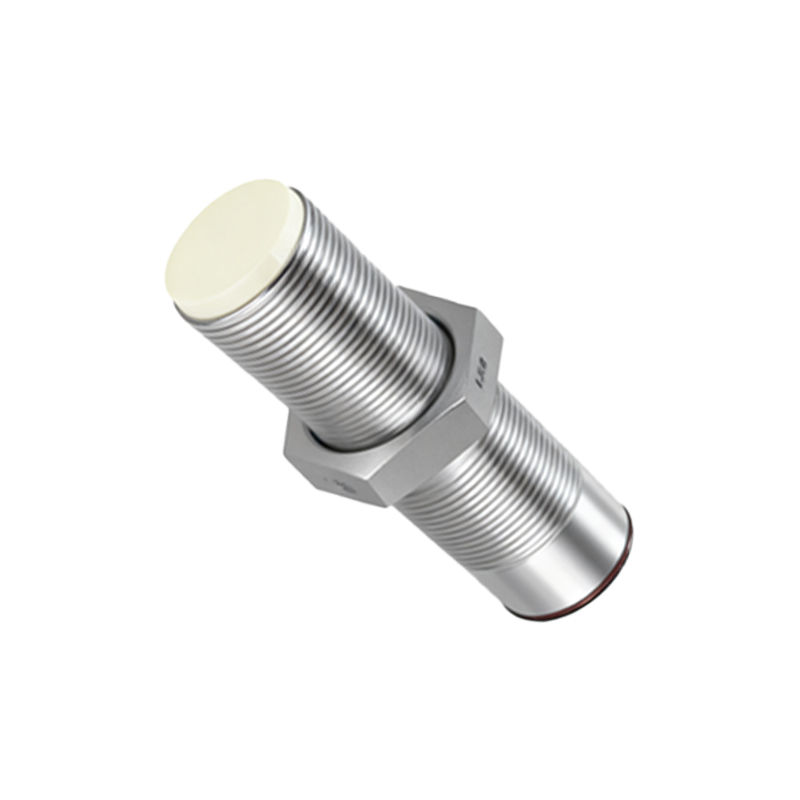
Selecting the right infrared proximity sensor requires careful consideration of several key parameters. The sensing range is paramount and must be matched to the application. Other critical factors include the response time, which can be critical in high-speed counting or sorting lines; the repeatability of detection; and the sensor's housing material and ingress protection (IP) rating, which determine its suitability for harsh, dusty, or washdown environments. The target material's color, texture, and reflectivity also significantly influence performance, as dark or absorbent surfaces reflect less IR energy. Many modern sensors feature built-in potentiometers or teach-in functions for easy adjustment of sensitivity and hysteresis to compensate for different target properties.
In practical industrial applications, these sensors perform countless critical tasks. On assembly lines, they verify the presence of components, count products, and control the indexing of machinery. In packaging, they ensure correct fill levels and label positioning. Robotic arms rely on them for precise pick-and-place operations and safe human-robot collaboration by detecting nearby personnel. The automotive industry uses them for seat occupancy detection, automatic tailgate operation, and collision avoidance systems. Beyond heavy industry, they are fundamental in everyday devices like automatic faucets, paper towel dispensers, and smartphone screen proximity detection.
Despite their robustness, optimal performance depends on correct installation and an awareness of limitations. Sensors should be mounted securely to prevent vibration-induced errors. It is crucial to avoid optical crosstalk between closely mounted sensors and to shield them from direct exposure to strong ambient IR sources like sunlight or heating elements. Regular maintenance, such as cleaning the lens from dust, oil, or debris, is essential for reliable operation. Understanding that certain materials, like clear glass or black rubber, can be challenging to detect allows engineers to plan accordingly, perhaps by choosing a sensor with a background suppression feature or a different sensing technology for that specific task.
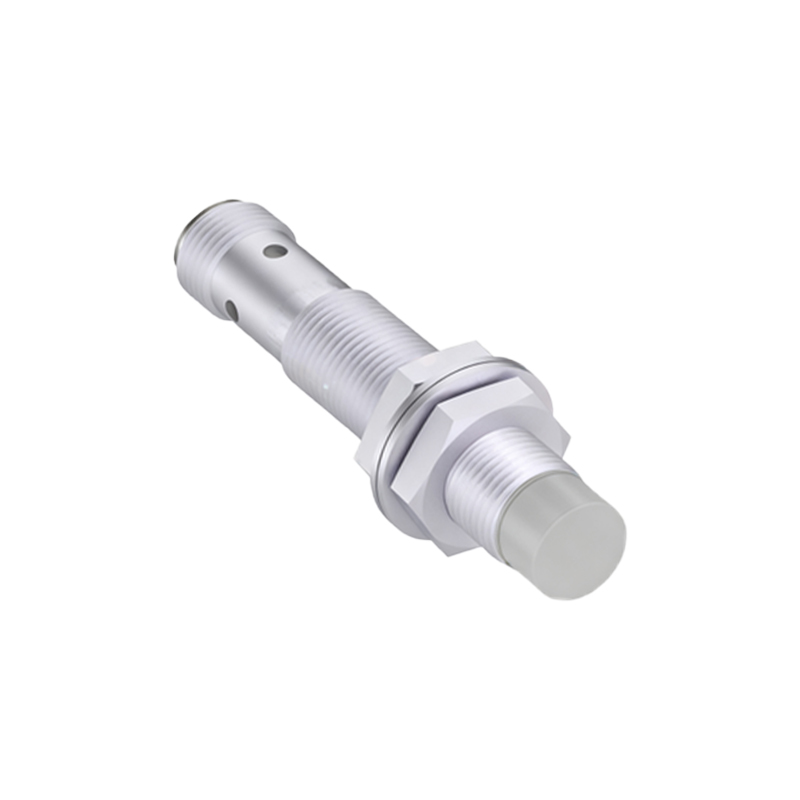
The future of infrared proximity sensing is tied to advancements in miniaturization, integration, and intelligence. Sensors are becoming smaller, with lower power consumption, enabling their proliferation in portable and battery-operated devices. The integration of IO-Link and other industrial communication protocols allows for digital parameter setting, remote monitoring, and predictive maintenance data collection. Furthermore, the development of multi-pixel IR arrays and sensors with advanced background suppression and shape recognition capabilities is blurring the line between simple proximity detection and more complex machine vision, opening new frontiers for automation and interactive systems.
In conclusion, the infrared proximity sensor remains a cornerstone of industrial automation and smart device design. Its blend of simplicity, reliability, speed, and cost-effectiveness ensures its continued relevance. By thoroughly understanding their operating principles, configurations, and application considerations, engineers and technicians can effectively leverage these powerful devices to build more efficient, safe, and intelligent automated systems.